

ADVERTISING
KAGZRM: "Health protection must take precedence over location interests"
The Rhine-Main Municipal Working Group (KAGZRM) has reacted with strong criticism to recent complaints from the aviation industry about allegedly insufficient growth. The German Aviation Association (BDL) sees taxes and fees as putting Germany at a competitive disadvantage.
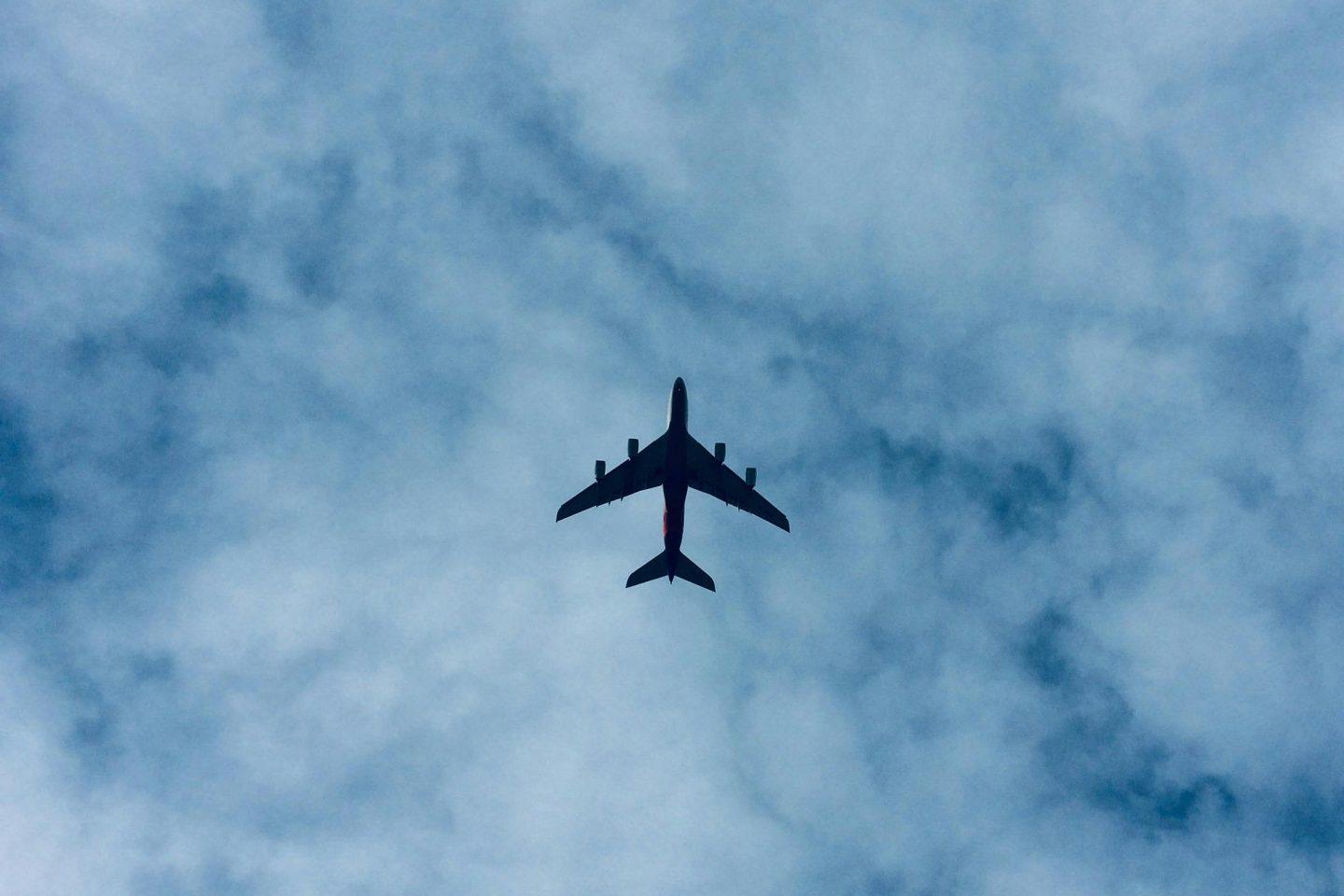
There are no signs of a crisis in the Rhine-Main region: According to Fraport, the number of flight movements in July, at 42,657, was only 9.5 percent below the record year of 2019. This means that noise pollution for residents is once again clearly noticeable. Between June and mid-August, the night flight ban was violated 420 times.
"Aircraft noise protection must not be a side issue," emphasizes the KAGZRM. "Protecting the population from harmful aircraft noise is a top-priority federal policy concern. Studies demonstrate the massive health risks, especially from nighttime aircraft noise – from sleep disorders to cardiovascular diseases."
The KAGZRM criticizes the fact that the federal government's coalition agreement contains no concrete measures to tighten noise limits or reform the Aircraft Noise Protection Act. "The federal government must live up to its responsibility and finally make aircraft noise protection a genuine priority," demands Thomas Will, Chairman of the KAGZRM.
New scientific studies, such as that by Guski, Schreckenberg and Seidler (2023), recommend significantly lower noise limits and a comprehensive adjustment of legal regulations. Action is also needed regarding structural noise protection and night flight regulations.
The working group warns that planned relief measures for the aviation industry – such as tax cuts or the relaxation of national environmental standards – would weaken environmental and noise protection. "A sustainable aviation sector must be ecologically, socially, and health-wise compatible – this requires clear legal guidelines," says the KAGZRM.
Demands include binding night flight bans, modernized noise limits, clear incentives for quieter aircraft types, consistent CO₂ pricing, and the shift of domestic flights to rail.
“Aircraft noise protection must not remain a voluntary commitment of individual countries or airports. It must be enshrined in law – only in this way can mobility, economic development, health and quality of life be fairly balanced,” concludes the KAGZRM.
(DISTRICT OF GROSS-GERAU – RED/PSGG)