Arheilgen Kerb Association on history, community and strong partners
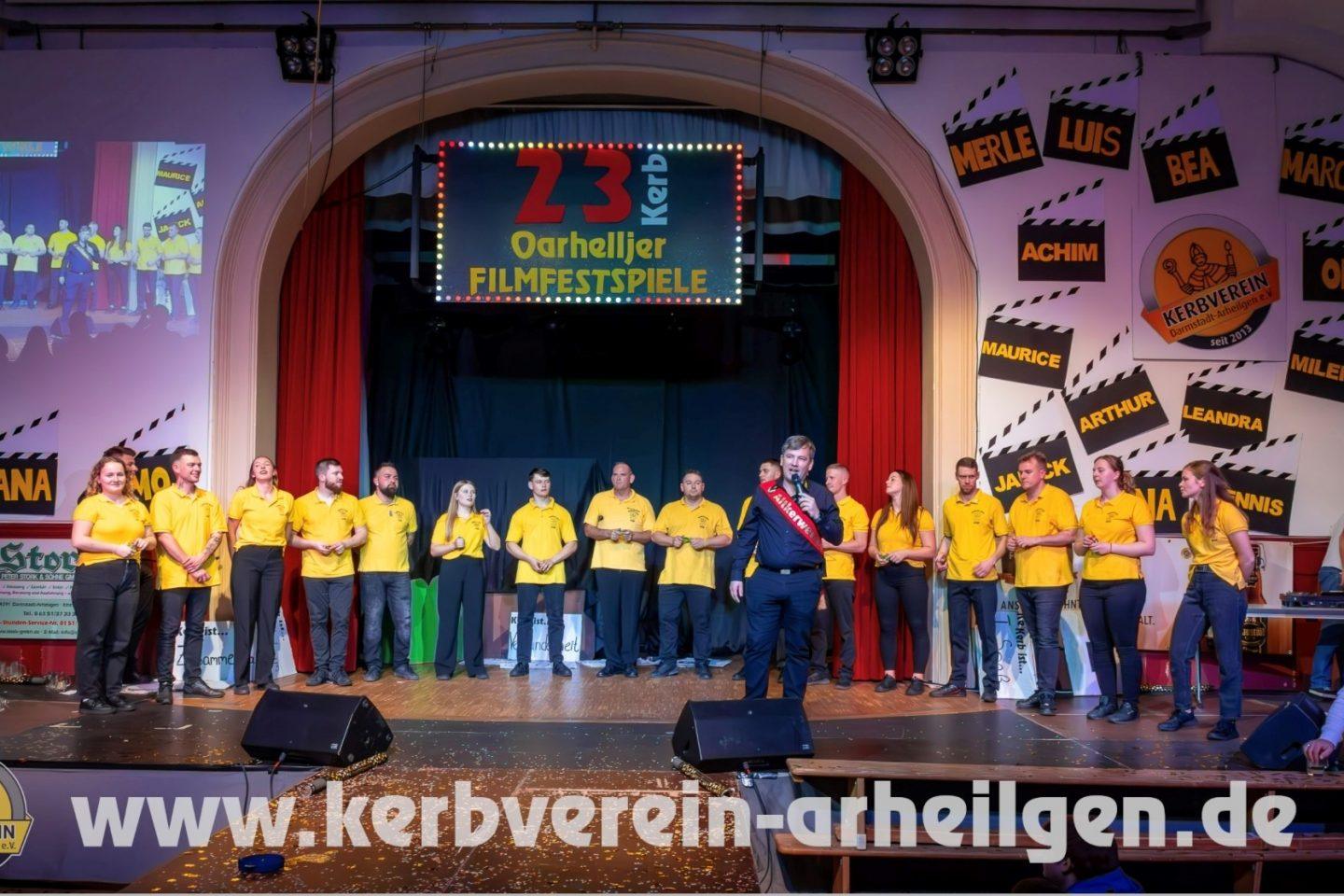
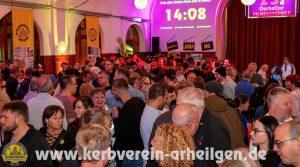
The "Oarhelljer Kerb" (Arheilgen Fair) takes place this year from October 30th to November 4th, 2025 , and is the heart and soul of the district. It's a festival that combines history, community, and passion. For almost 600 years, the church fair has been celebrated in Arheilgen, and to this day, the tradition lives on thanks to the people who shape it with such dedication. One of them is Timo Köcher from the Arheilgen Fair Association. In conversation with Alexander Götz (DA.news), he explains how the church fair of 1427, originally a religious event , has evolved into a modern, intergenerational local festival with cultural and social highlights, why volunteer work is more important than ever, and what role strong partners like Merck play in the future of the fair.
The Arheilgen Kerb Association
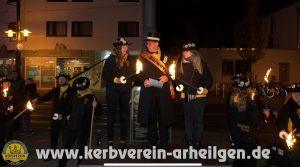
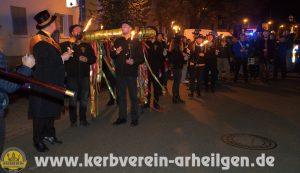
The "Oarhelljer Kerb" is far more than a folk festival – it's living history, village community, and identity all in one. The Arheilgen Kerb Association ensures that this tradition remains alive and is continually revitalized. Arheilgen was the site of the first church consecration celebration as early as the 15th century, and to this day, the Kerb reflects the history of the district. With great passion, organizational talent, and community spirit, the participants succeed year after year in putting on a festival that unites tradition and modernity.
How did the Kerb tradition in Arheilgen originate?
Timo Köcher: The first church consecration celebration took place as early as 1427 – the year the first church in Arheilgen, today's Church of the Resurrection, was consecrated. Originally, the Kerb was a church festival, which over time developed into a folk festival with a fairground atmosphere. Stalls and entertainment are documented as early as 1603. It's also interesting to note that the Arheilgen Kerb used to be celebrated in August. However, in 1603, at the request of the people of Arheilgen, the landgrave's government granted permission to move it to the Sunday after All Saints' Day, because the harvest season in August meant too much work. Today, we traditionally celebrate the "Oarhelljer Kerb" in late autumn – from the end of October to the beginning of November – entirely in keeping with this earlier change to a quieter time of year.
What role does the association play in the neighborhood today?
Timo Köcher: The Kerb association is much more than just the organizer of a local festival. We see ourselves as a social institution that connects the neighborhood, preserves traditions, and fosters a sense of identity. Without the association, the Kerb might still exist – but no longer as a genuine village festival for the local people, but merely as an event. We want people to meet here, celebrate together, and feel: This is our Kerb.
What's special about this year's village fair?
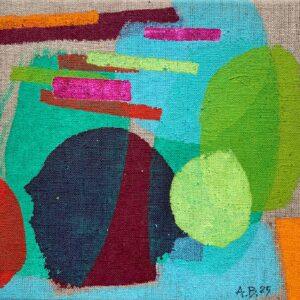
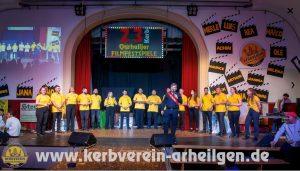
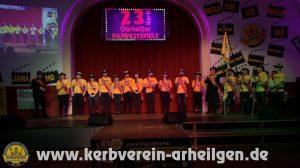
Timo Köcher: This year, the fair begins with a cultural touch: The artists' group SchuppenArt opens the festivities with an exhibition entitled "Wind Moon" senior citizens' fair kicks off , followed by the fair committee's big show in the evening. Sunday is all about families: Starting at 11 a.m., the children's fair begins in the Löwensaal (Lion Hall) , accompanied by games and fun activities. We're also offering a historical tour entitled "Stories and Pictures from Old Oarhellje ." The result is a festival that beautifully blends history, culture, and community.
Who works behind the scenes to ensure everything runs smoothly?
Timo Köcher: The Oarhelljer Kerb isn't organized by a professional event team, but by a dedicated community of volunteers, clubs, and members. They plan, craft, organize, and help out all year round. Our motto is: "The Kerb is only as beautiful as we make it." This sense of community makes the festival special – because it's truly supported by the village community.
What challenges do you face when organizing such festivals?
Timo Köcher: The organization is a mix of passion, logistics, and sometimes local politics. Of course, there are many challenges – from bureaucracy and permits to rising costs and a shortage of volunteers, all the way to coordinating the many people involved. Sustainability and responsibility are also playing an increasingly important role. But in the end, the joy outweighs everything: because despite all the hurdles, we manage to bring the whole village together to celebrate every year. No stress, no festival – but no festival, no Arheilgen.
How can new members or volunteers get involved?
Timo Köcher: It's very simple: Every helping hand is welcome! New members or supporters can contribute as much or as little as they like – from occasional help to active involvement in the association. No one needs to be a "Kerb pro." Anyone who wants to join can contact us via kerbverein-arheilgen.de , by email at info@kerbverein-arheilgen.de, or via Instagram and Facebook (@kerbverein.arheilgen). And of course, you can also get in touch in person: Just ask someone in the Löwensaal – we appreciate any support.
Why is the partnership with Merck so valuable?
Timo Köcher: A partner like Merck opens up new opportunities for us. Their support gives us greater flexibility regarding technology, security, and decoration – and allows us to implement cultural or sustainable projects that go beyond the traditional folk festival. At the same time, the partnership strengthens the trust of the local community: People see that the festival is supported by the community – but also by strong partners who feel connected to Arheilgen. This creates a foundation for long-term planning and new ideas.
Are there things that can only be achieved with a strong partner?
Timo Köcher: Absolutely. With a strong partner like Merck, a village festival becomes a future-proof community project – safer, more professional, more sustainable, and more socially inclusive. Or, as we say: "Merck doesn't just give us resources – but also opportunities."
Liveable Darmstadt
powered by MerckClubs and associations are the heart of a community. They foster social integration and bring people together. They enrich local life through cultural and sporting activities, offer educational opportunities, and are involved in social projects. In short: they make a city like Darmstadt a great place to live.
But this costs money. Membership fees aren't always enough. In this series, we present selected Darmstadt clubs and associations that are supported by Merck – be it in sports, culture, community service, or science education.
Each of these clubs has a unique story and contributes to strengthening the community in its own way. We asked the organizers what makes their club special and how the partnership with Merck not only provides financial support but also fosters growth and development.
Learn more about the diverse club and association scene in Darmstadt and how Merck and its partners are achieving more together – for a region worth living in.