


A discovery from southern France provides new insights into butterfly development
As the Hessian State Museum Darmstadt and the Natural History Museum Stuttgart jointly announce, researchers have for the first time definitively identified a fossil purple emperor butterfly. The find provides important new insights into the evolution of butterflies.
The fossil, which is approximately 34 to 28 million years old, comes from southern France and was examined as part of an international research project led by Hossein Rajaei. Torsten Wappler from the Darmstadt State Museum also participated.
Rare fossils with exceptional detail
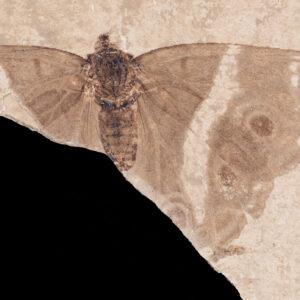
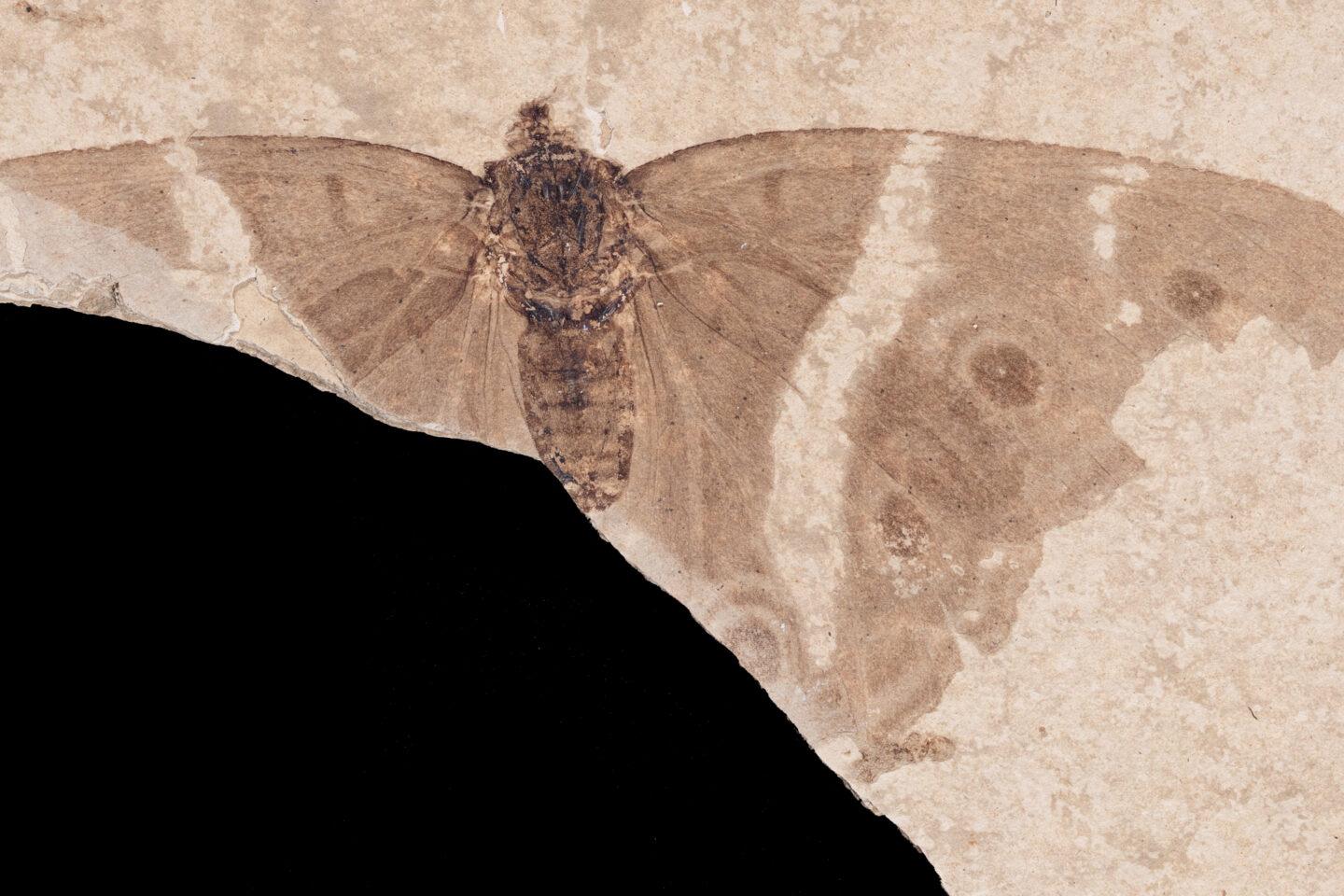
Butterfly fossils are rare – especially those in which fine structures such as wing patterns have been preserved. In the newly described specimen, large parts of the wings, including venation and eyespots, are visible. The head, thorax, and parts of the abdomen could also be examined.
The fossil belongs to a new genus and species called Apaturoides monikae and is the first unambiguous evidence of a fossil representative of the purple emperor butterflies (Apaturinae).
An important building block for evolutionary research
The results of the study were published in the journal Acta Palaeontologica Polonica.
The find is particularly significant for research, as it serves as a so-called "anchor point" for dating butterfly evolution. Molecular genetic analyses suggest that key lineages of brush-footed butterflies developed precisely during this period.
The fossil now helps to support or correct these assumptions with concrete evidence.
Linking past and present
The fossil was discovered in 1979, but has only now been fully scientifically analyzed. It comes from a protected fossil site in the Luberon region.
The researchers emphasize that such discoveries underscore the importance of museum collections and long-term scientific work. At the same time, they provide important insights into understanding today's biodiversity and its evolution over millions of years.
(DARMSTADT – RED/HLMD)
Featured image: Fossil of the new species Apaturoides monikae . Photo: Hossein Rajaei.