

ADVERTISING
Wastewater treatment plants and industrial discharges are the focus of environmental controls
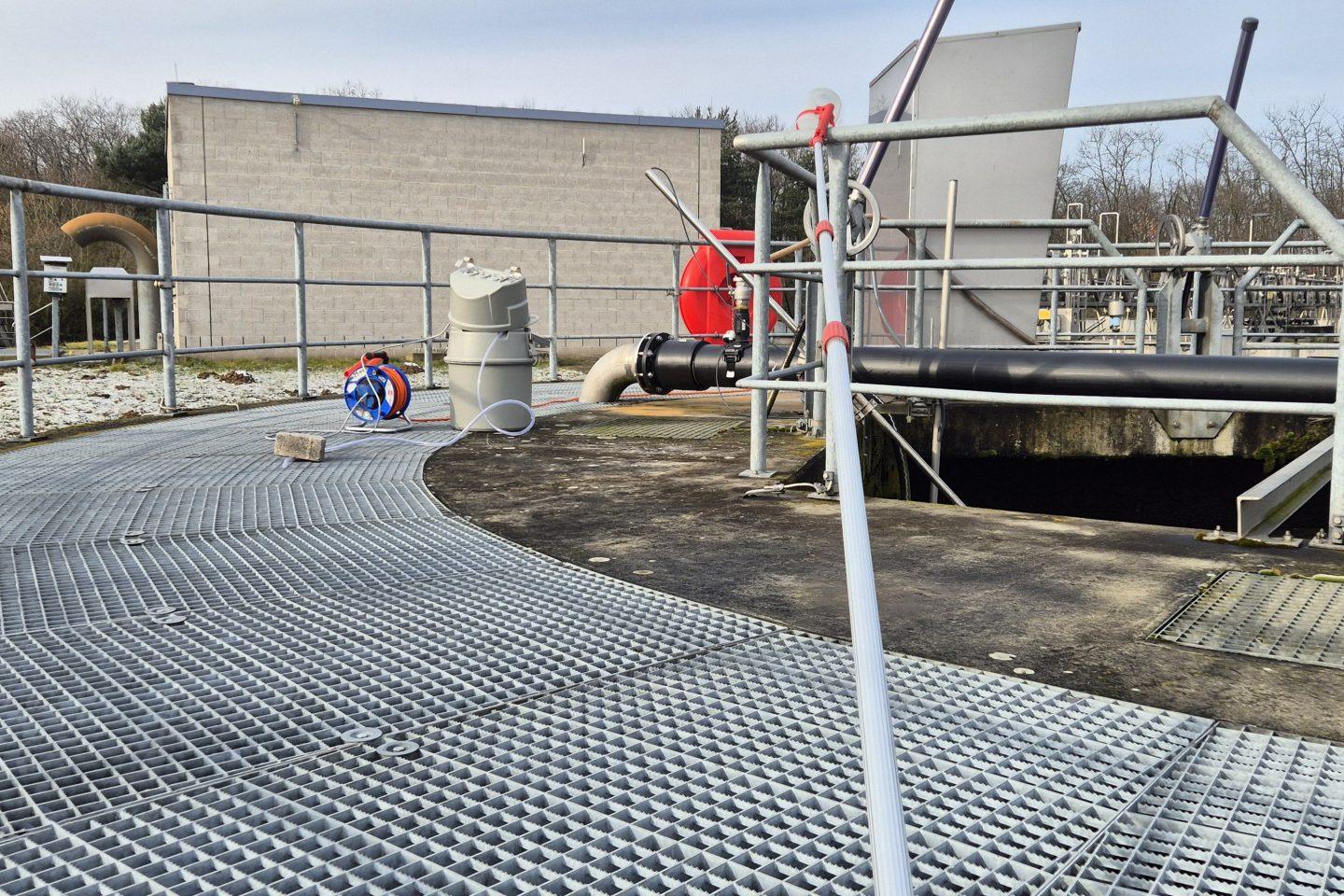
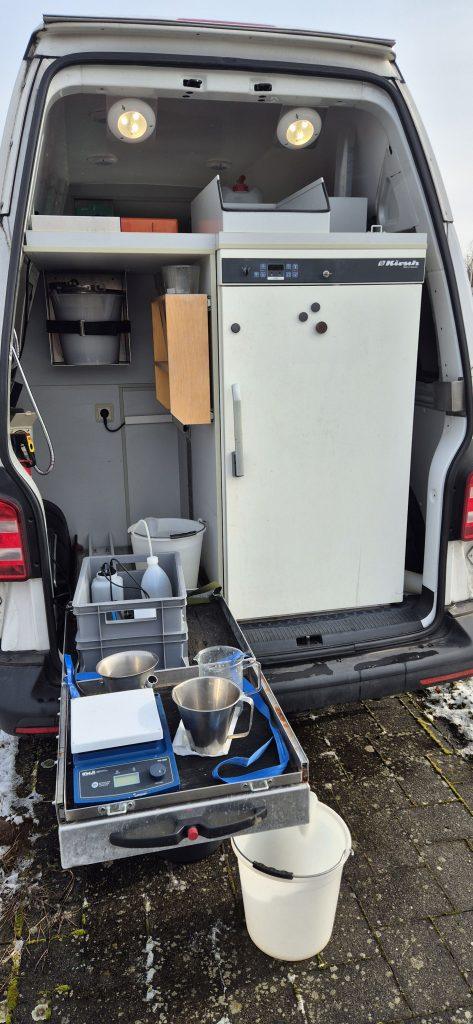
In 2025, the Darmstadt Regional Council analyzed approximately 600 water samples from municipal wastewater treatment plants and industrial discharges. According to the authority, this regular monitoring serves to assess the ecological condition of rivers and streams within the administrative district and to ensure the cleanliness of the waterways.
195 wastewater treatment plants and 77 industrial discharges were monitored
The regional government oversees a total of 195 municipal wastewater treatment plants and 77 industrial discharges within its jurisdiction. Samples are taken from the plant outlets at least twice a year and analyzed in the laboratory for nutrients and pollutants.
In particularly sensitive bodies of water, inspections are carried out more frequently. The aim is to identify potential pollution early and to ensure compliance with legal requirements.
Measures to be taken in case of exceedances
If the monitoring values specified in the respective water permit are exceeded, the responsible water authority requires the operators to implement suitable measures promptly. These measures are intended to improve the purification performance of the plants.
Possible measures could include, for example, adjusting the use of flocculants or optimizing aeration in activated sludge basins.
Requirements are continuously being tightened
To achieve good ecological status of water bodies, the requirements for municipal wastewater treatment plants and industrial discharges are continuously adapted and tightened. State wastewater monitoring serves to verify compliance with these regulations.
Exceedances of the limit values do not usually indicate permanent water pollution. However, they do suggest that a facility is temporarily failing to achieve the required purification performance. In these cases, the responsible water authorities take action to prevent potential harm to the water bodies.
(DARMSTADT – RED/RPD)