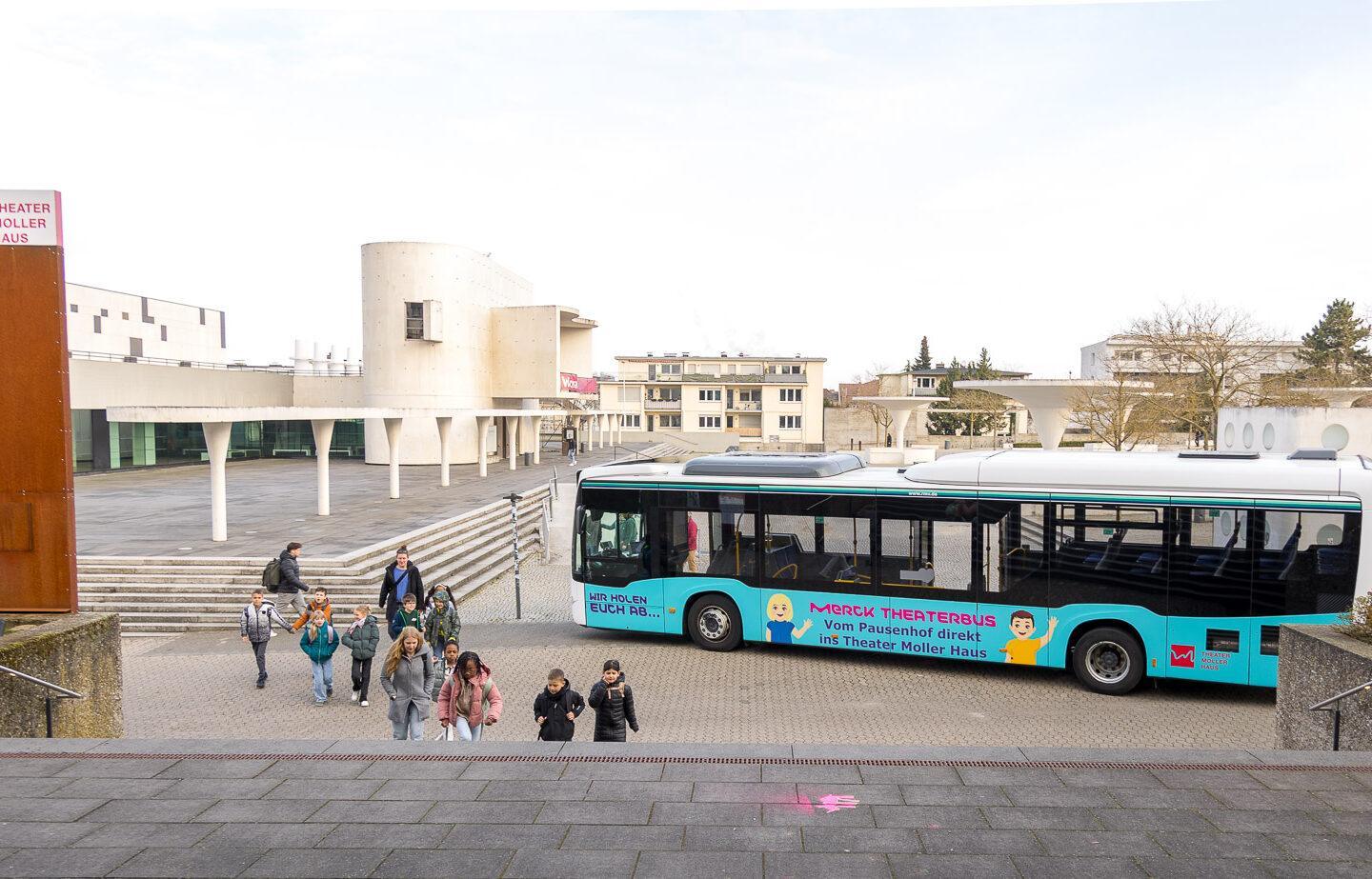
A project by the Moller House Theatre facilitates cultural participation
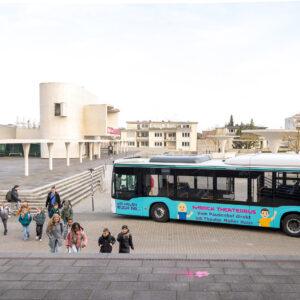
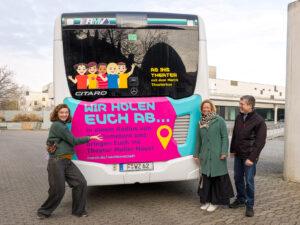
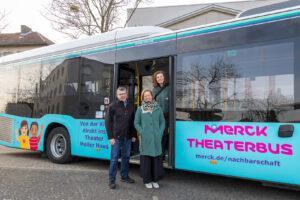
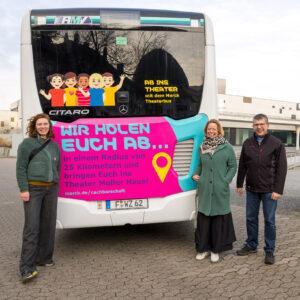
A visit to the theater can be a formative experience for children. However, for schools, kindergartens, or clubs in the district, getting to the theater often involves considerable organizational effort. The Merck Theater Bus offers a simple solution: groups are picked up directly at their facility and taken together to the Moller Haus Theater .
The project is made possible by Merck and is specifically aimed at institutions in the surrounding area. The goal is to make cultural education accessible even where going to the theater would otherwise be a barrier.
Kristina Werner , known to many as "Tinka," discusses the idea, impact, and future prospects of the project
The Merck Theater Bus offers free and direct transportation to the Moller Haus Theater for daycare, school, and club groups from the surrounding area. What specific obstacles do you hope to overcome with this offer – and what was the original idea behind the initiative?
The idea behind the theater bus was to remove a very practical barrier: getting to the theater. Many schools and daycare centers in the district don't have easy access to public transportation. Especially with younger children, a trip to the theater can quickly become a logistical challenge – involving transfers, time pressure, and additional costs.
The theater bus makes this easy: Groups are picked up directly at their school or kindergarten and taken to the theater together. This makes cultural participation a tangible reality. For many children, it's actually their first visit to a theater.
For many children in the district, a visit to the theatre is not a given. The theatre bus ensures that cultural education does not depend on how well a place is connected or what resources a school has.
For many educational institutions, a theater visit involves considerable organizational effort. What is your experience of the response from teachers and educators to this offer?
The response has been very positive. Many teachers and educators tell us that they wouldn't be able to organize a theater visit without the bus. Especially with younger children, it's practically impossible to use multiple forms of public transport with a whole group in everyday life.
The bus removes this organizational hurdle for them. This makes cultural education possible in everyday school life in the first place.
The theater bus is deliberately aimed at groups from the district and the surrounding area. Why was this geographical focus important, and what significance does it have for cultural participation in the region?
The decision was deliberate: We specifically wanted to reach children for whom access to cultural activities is more difficult. Children from facilities within Darmstadt can usually get to the theater relatively easily by bus or train.
For many places in the district, the journey is considerably more complicated. That's precisely why it's important to make cultural offerings accessible there as well. Cultural education shouldn't depend on where you live.
In your view, is the theater bus more than just a means of transport? What role does it play in cultural education and young people's first encounter with theater?
The bus is actually part of the whole theatre experience. For many children, the trip begins with the journey itself: they board together, set off together, and sense that something special is happening today.
This shared journey creates a transition from everyday life into another world. Theatre opens up a space for children where they can experience stories, change perspectives, and empathize with other people.
In the theater, children experience stories together with other people in the room. They see different perspectives, react to one another, and realize that there isn't just one way of looking at the world. This is precisely where an important experience for democratic coexistence lies.
What effect do you observe in children and young people who may be experiencing a professional theatre performance for the first time?
Especially during a first visit to the theater, you often see how immediately children react: they laugh, fall completely silent, or get caught up in the excitement. Theater doesn't just appeal to the mind, but also to feelings and imagination – and that's precisely what often stays with them for a long time.
How important is Merck's support for the implementation of the project – and what perspectives do you see for the further development of the theater bus in the coming years?
Merck's support is crucial for us. It enables us to offer free bus rides for schools and daycare centers, thus keeping the service truly accessible.
The demand clearly demonstrates the high level of need. Our goal is to ensure that as many children as possible from the region continue to have the opportunity to experience theatre – regardless of where they live or the financial resources of their institution.
Because often this first visit to the theatre is the moment when children realize: stories can come alive – and they themselves are part of it.

Liveable Darmstadt
powered by MerckClubs and associations are the heart of a community. They foster social integration and bring people together. They enrich local life through cultural and sporting activities, offer educational opportunities, and are involved in social projects. In short: they make a city like Darmstadt a great place to live.
But this costs money. Membership fees aren't always enough. In this series, we present selected Darmstadt clubs and associations that are supported by Merck – be it in sports, culture, community service, or science education.
Each of these clubs has a unique story and contributes to strengthening the community in its own way. We asked the organizers what makes their club special and how the partnership with Merck not only provides financial support but also fosters growth and development.
Learn more about the diverse club and association scene in Darmstadt and how Merck and its partners are achieving more together – for a region worth living in.