
ADVERTISING
The head of the mobility department emphasizes: "Darmstadt needs a bridge that can be built – not just one that looks good."
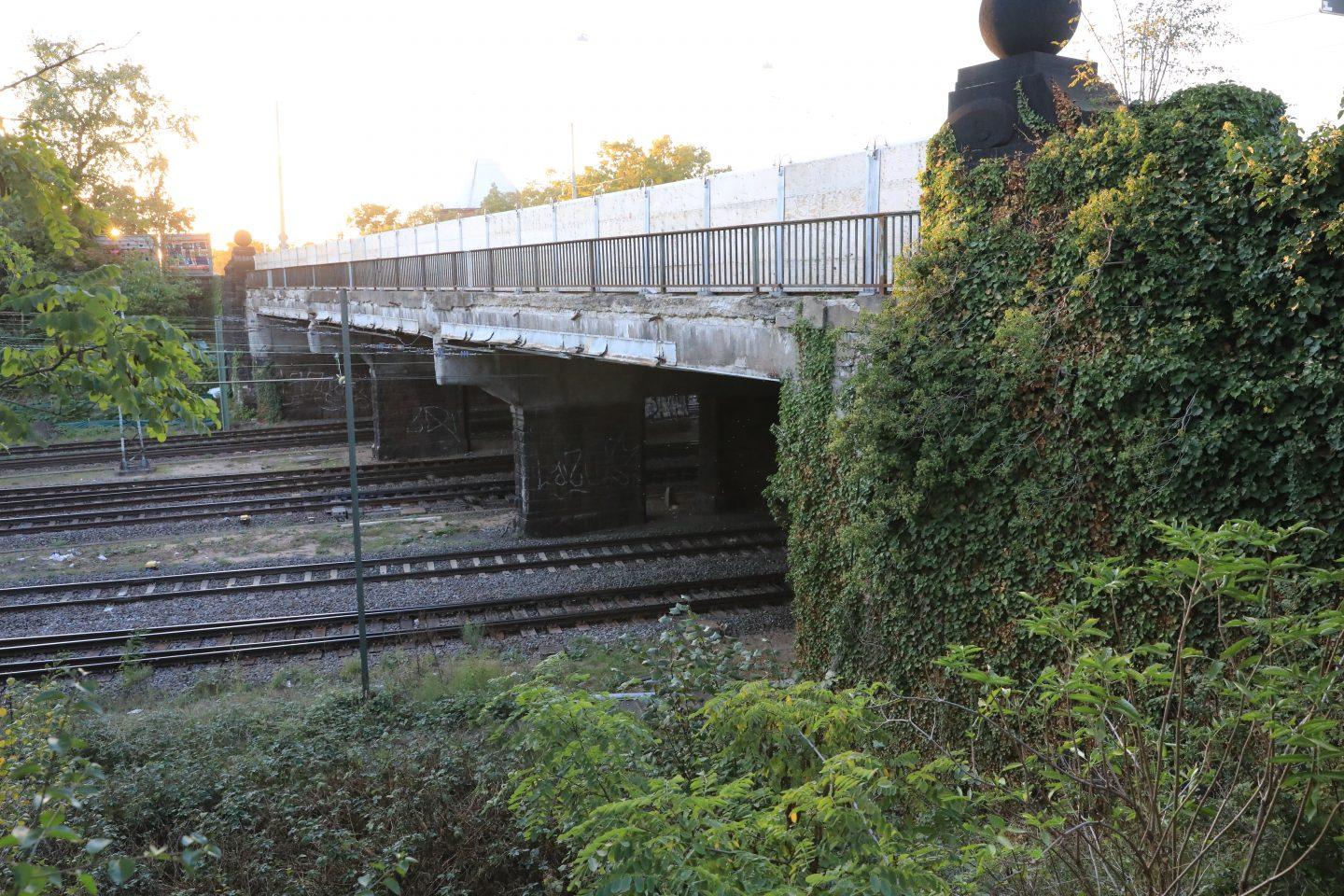
Mobility Director Paul Georg Wandrey has firmly rejected the demand from the Association of German Architects (BDA) Darmstadt for an immediate halt to planning for the Rheinstraße bridge. The BDA had previously called for a return to the award-winning original design. Wandrey clarified that the bridge is one of the central infrastructure projects of the science city and must be realized reliably, economically, and in accordance with all technical and historic preservation requirements.
“Darmstadt needs a bridge that can be built – not one that just looks good,” Wandrey emphasizes. The current plan combines engineering expertise, historic preservation, and realistic construction processes. “The citizens rightly expect us to deliver reliably now.”
Original design: technically not feasible
According to the department head, the winning competition design can no longer be implemented. The main reason given is the additional track closures required in the DB InfraGo area – closures that are not permissible in their current form. Switching to a free-spanning bridge design has stabilized the project and prevented significant additional costs.
Feasibility study: Current status, not a final plan
Wandrey clarifies that the feasibility study merely represents a technical assessment. For large infrastructure projects, studies are gradually transformed into design and implementation plans, with optimizations along the way. One thing is certain: the gradient increase examined at that time will not be necessary in its current form.
Planning approval and tree inventory adhered to
The department head strongly contradicts the BDA's claim: The planning approval decision is being fully adhered to. Bridge geometry, construction site facilities, and pre-assembly areas remain 100 percent within the approved parameters. "Not a single additional tree will be felled beyond those already approved," Wandrey stated.
Urban planning context
The future bridge will be a high-quality engineering structure that will provide a functionally and aesthetically appropriate entrance to the city. The planned solution combines engineering excellence, historic preservation, and economic viability – fitting for a growing science city.
The timeline remains realistic.
The planned start of tram service across the new bridge in the last quarter of 2029 remains achievable with the current plans. However, a return to the original design would "clearly mean this deadline has been missed."
Willingness to engage in dialogue – but on a realistic basis
The city of Darmstadt is open to an exchange of ideas. However, a prerequisite is a discussion based on actual technical and legal parameters. Wandrey emphasizes: “I respect the BDA’s architectural perspective, but I expect a realistic assessment of the engineering, logistical, and permitting requirements. Darmstadt can no longer afford symbolic debates.”
(Darmstadt - Red/PSD/DK)