
ADVERTISING
A contribution by Lena Katharina Barozzi for the project “What’s going on there?!” by students at h_da
What makes a festival that takes place right in the heart of the city – without a campsite, but with over 100 acts spanning pop, hip-hop, and punk rock – so special? From June 5th to 8th, the Schloßgrabenfest will once again transform Darmstadt's city center into a giant open-air stage. What began in 1999 as a platform for local bands is now Hesse's largest music festival. At the heart of the organization is the promoter and co-founder, Thiemo Gutfried, a Darmstadt native through and through. He knows the scene and understands what it takes for an event to keep up with the times without losing its essence.
The Schloßgrabenfest has been held since 1999. Frank Grossmann and you founded it. How did the festival come about?

We would have actually celebrated our 27th edition this year, but due to the pandemic, we had to take a two-year break. So, this is now our 25th – an anniversary! In the late 1990s, we wanted to offer regional bands from Darmstadt a big stage where they could present their own music instead of cover songs. We had early connections to the Darmstadt music scene. Back then, guitar music like punk and rock was popular. The trend has changed dramatically: Today, indie pop, hip-hop, soul, and even German pop music (Schlager) dominate. As newcomers, these up-and-coming musicians played in small, dark basements, hoping to land that crucial record deal that would make it big.
And how has the festival changed over time?
It quickly became clear that not enough new bands are emerging from the region each year. That's why we opened ourselves up to acts from all over Germany. This year, 62 bands, 16 DJs, and 26 solo artists will be performing. In the past, a cup was enough for entry; now there are fixed tickets. This is necessary to maintain our quality standards. Bands and instrumentalists used to be the focus, but now the music industry is dominated by individual singers with a large social media following. Some of the songs are even produced in home studios. I sometimes miss the old band culture, but at the same time, I don't subscribe to the classic "everything was better in the old days" mentality – we live in the here and now!
What do you find unique about the festival?
Our location! No other festival in Germany takes place right in the heart of the city. What's more, the Schloßgrabenfest has a different sound every year, reflecting the spirit of the times. We showcase a wide range of music genres: from hip-hop to German pop, from indie to hard rock. Imagine Mickie Krause performing at the Mallorca Special on one stage, and just three minutes away, Mannheim rapper GReeeN is playing – extremes that work perfectly together. Food and drink are also a defining feature of our festival. Whether you simply want to meet friends, grab a drink and a bite to eat, or dance in the front row, everyone can experience the festival in whatever way they find most appealing.
Who is your target audience? Who is the program aimed at?
I find the topic of target audience and age restrictions almost discriminatory. The festival is for everyone who loves music, whether over 80 or with their family. Music knows no age limits!
Is it really for all music fans? What measures are you taking to ensure accessibility?
First and foremost, we want to keep ticket prices low. There's a social ticket with a 50% discount and over 1,000 free tickets, for example, for youth centers. People with disabilities and their companions get in free. Unfortunately, the festival grounds, located in downtown Darmstadt, are not fully accessible. However, we will mark an accessible route on-site and provide important information on the website.
The Schloßgrabenfest is the largest music festival in Hesse. How do you manage the planning?
With a large number of young people involved: ten permanent staff members, but over 100 people during production. The exchange with the younger generation is very important to us, because it allows us to know what and who is currently popular in the music scene. Major planning considerations include permits, security, program development, and finances. The city does not provide us with financial support. We finance ourselves through private funds and by renting out our booth space to hundreds of restaurateurs. Nevertheless, I would like to express my sincere gratitude to the city of Darmstadt, which has always been open-minded and cooperative. Furthermore, we receive exceptional support from regional sponsors.

What has changed as a result of the sponsorship? Do your cooperation partners influence the festival concept or the selection of artists?
No, our sponsors have no influence. Of course, we ensure good visibility and a visual presence on the premises, but the program remains our decision.
Is sustainability, climate neutrality, or ecology a consideration in the design process?
This always plays a role, and our sponsors also expect certain requirements to be met. In addition to lower energy consumption and a reusable cup system, we also pay attention to regional ties when selecting our employees and technology suppliers.
How are the musicians selected?
We've set up a portal for band applications on our website. The bands' proximity to Darmstadt is crucial. We reject niche or fetish music, as well as music with lyrics or performances that might be considered disturbing, for our festival. We're in contact with all the major agencies, who proactively suggest newcomers to us. We have a close, trusting relationship with these agencies, but their primary interest lies in selling their product: the musician(s). There's negotiation, bargaining, and a bit of gambling involved. Ultimately, only my gut feeling can tell me whether a musical act will be successful – and yes, their social media numbers too. We booked Mark Forster, Wincent Weiss, Marteria, and Sunrise Avenue early in their careers, and we were right.
Do you remember any conflicts with artists? If so, how do you deal with them?
I won't name names. But it can happen that you clash with a tour manager or two, for example, if you can't find that specific acacia honey. Or another person wouldn't tolerate brown furniture in their hotel room. You have to set boundaries. At the same time, I understand. Being on tour nonstop and living out of a suitcase all year round is tough.
What was a particularly special and emotional festival moment for you?
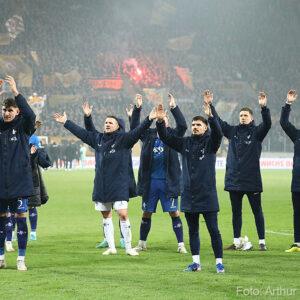
March 18, 2020, the day of the corona-related cancellation, completely shattered our world. This extreme situation taught me to live more in the moment. A highlight was Darmstadt 98's promotion to the Bundesliga during the festival. For me, however, individual moments are less important than the community and friendships within the team. We pour our hearts and souls into this project to make it a success. I believe it's crucial that we, as a society, slow down, not just act rationally, but connect with our feelings. That's what I want to offer people when they visit the Schloßgrabenfest.
All images: Images: Björn Friedrich on the Schloßgrabenfest website
This article was created as part of the "Was da los" project – a student-run newsroom run by students of the Online Journalism program at Darmstadt University of Applied Sciences (h_da). DA.news supports the project and publishes selected articles on its platform. Further information and articles can be found here and at: www.was-da-los.de