
ADVERTISING
UN World Wildlife Day on March 3rd commemorates the Washington Agreement
To mark World Wildlife Day on March 3, the Darmstadt Regional Council is providing information about its responsibilities in the field of species conservation. UN World Wildlife Day also commemorates the signing of the Washington Convention on International Trade in Endangered Species of Wild Fauna and Flora (CITES) almost 50 years ago.
The authorities stated that legal protection alone is insufficient for endangered animal and plant species. Consistent enforcement by the responsible nature conservation authorities is crucial.
Controls in southern Hesse and online trade in focus
The regional government office in southern Hesse verifies the legal origin of protected species. This includes regular inspections of commercial traders, breeders, and processors. Reports of potential violations are also investigated. Monitoring also extends to online sales.
In cases of detected violations, measures range from seizures and confiscations to administrative offense proceedings and criminal charges. Under certain conditions, exemptions from the marketing ban on strictly protected species within the EU can be granted, for example, if specimens were acquired before they were placed under protection.
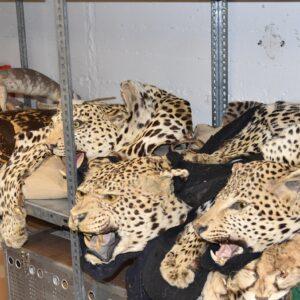
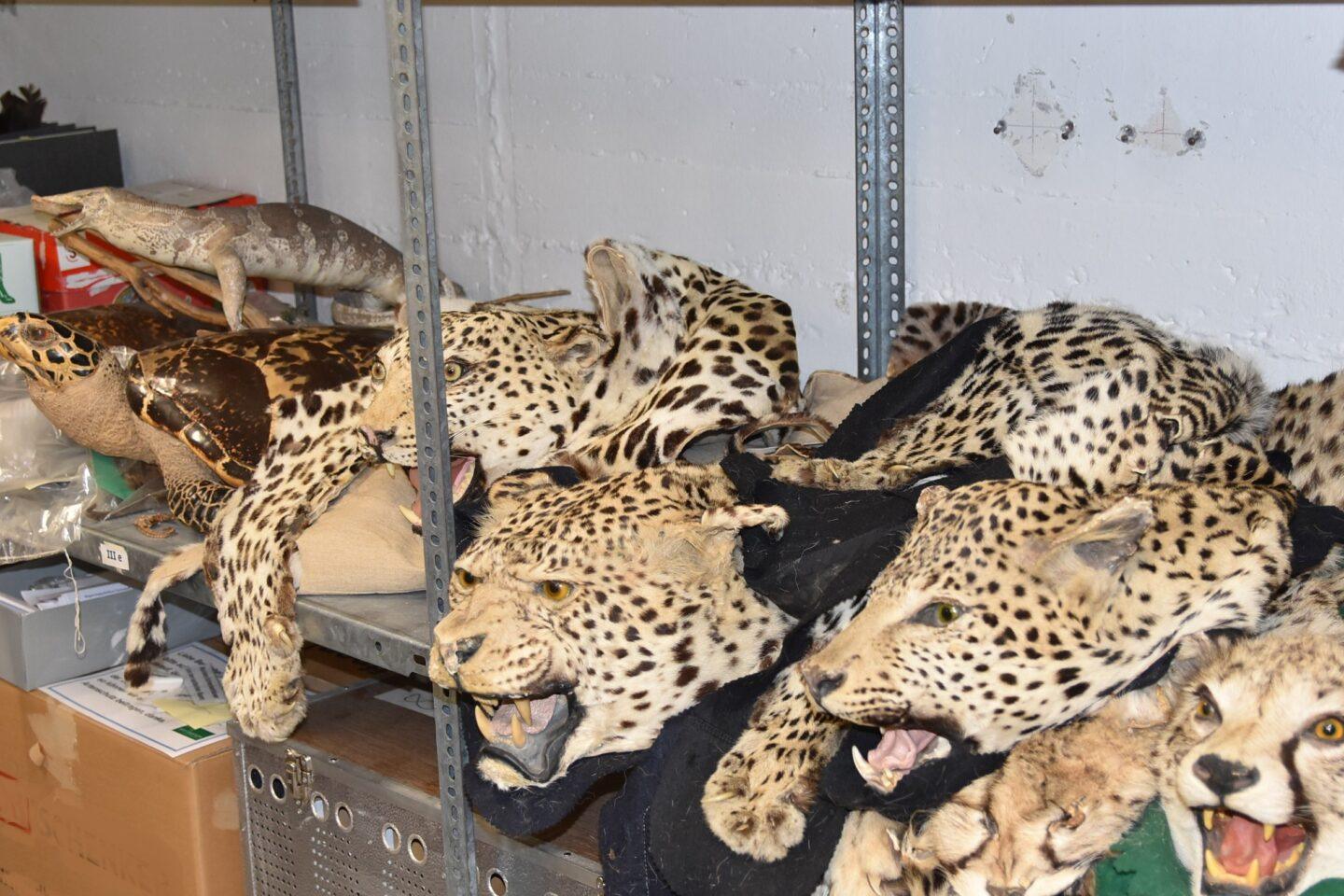
The evidence room at the Darmstadt Regional Council regularly stores confiscated items from illegal trade. Due to the large number of finds, items must be disposed of or destroyed repeatedly, as storage capacity is limited.
Cooperation with customs and law enforcement agencies
Customs also plays a key role in enforcement, including at Frankfurt Airport. There, import and export shipments are checked to ensure that the required species protection documents are present and that the provisions of the Washington Convention on International Trade in Endangered Species of Wild Fauna and Flora (CITES) are being observed. Furthermore, the regional government office collaborates with the police and public prosecutor's office.
Anyone in southern Hesse who wishes to keep protected animal species or has questions about existing populations can contact the experts at the regional council. Further information is available at rp-darmstadt.hessen.de in the nature conservation section.
Background: Washington Convention on International Trade in Endangered Species of Wild Fauna and Flora (CITES)
The basis for international species conservation is the Convention on International Trade in Endangered Species of Wild Fauna and Flora (CITES) of March 3, 1973. Since then, around 40,000 threatened animal and plant species have been placed under protection. The aim is to prevent the extinction of species and to curb the overexploitation of natural resources.
In Germany, the Federal Nature Conservation Act and the Federal Species Protection Ordinance, among others, supplement international regulations. They govern the authorities' powers of inspection as well as reporting, marking, and record-keeping obligations for private and commercial keepers and dealers of protected species.
(DARMSTADT – RED/RPD)
Featured image: A view into the always well-stocked evidence room at the Darmstadt Regional Council. Photo: Darmstadt Regional Council
—