


The Parks Department is treating over 3,600 oak trees – including operations in parks, along waterways and in the vivarium
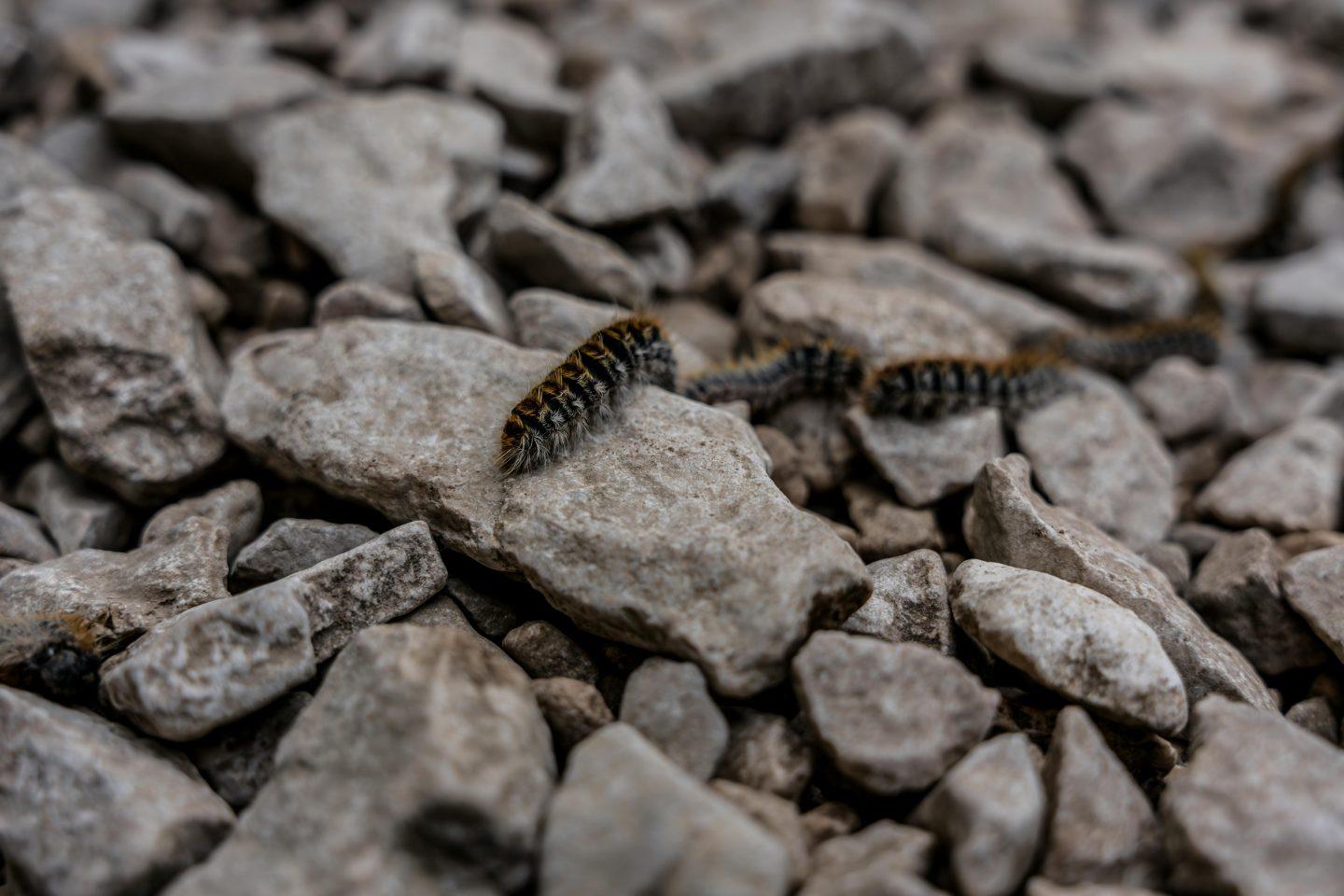
In Darmstadt, the annual control measures against the oak processionary moth began on April 22nd. The caterpillars of this moth species pose a health risk to humans and animals, as their stinging hairs can trigger allergic reactions, skin irritations, or asthmatic symptoms.
The city's parks department is treating approximately 3,600 oak trees throughout the city with a biological pesticide (Bacillus thuringiensis subsp. kurstaki). These preventative measures are being carried out in various locations, including playgrounds, cemeteries, parks, schools, kindergartens, and outdoor swimming pools. A high-performance spray gun is being used for the application.
Treatment is also being carried out against the caterpillars at several bodies of water – including Großer Woog, Steinbrücker Teich, Grube Prinz-von-Hessen, Erich-Kästner-See and Arheilger Mühlchen – as well as in the vivarium. Here, the office is using special nematodes (Steinernema feltiae), which are applied at night between 7 p.m. and 6 a.m. to take into account their light sensitivity and to minimize noise pollution. A second treatment is scheduled for the end of April.
In addition, selected areas such as the forest cemetery, the Orplid recreation area, and the animal welfare association's grounds will be treated by helicopter between mid-April and early May. These areas will need to be temporarily closed during the treatment.
(DARMSTADT – RED/PSD/dk)
For inquiries and to report infested city trees, please contact the Parks and Green Spaces Department at 06151 13-2900 . Further information is available online at www.darmstadt.de/eichenprozessionsspinner .