


New route design aims to protect nature and enable climbing
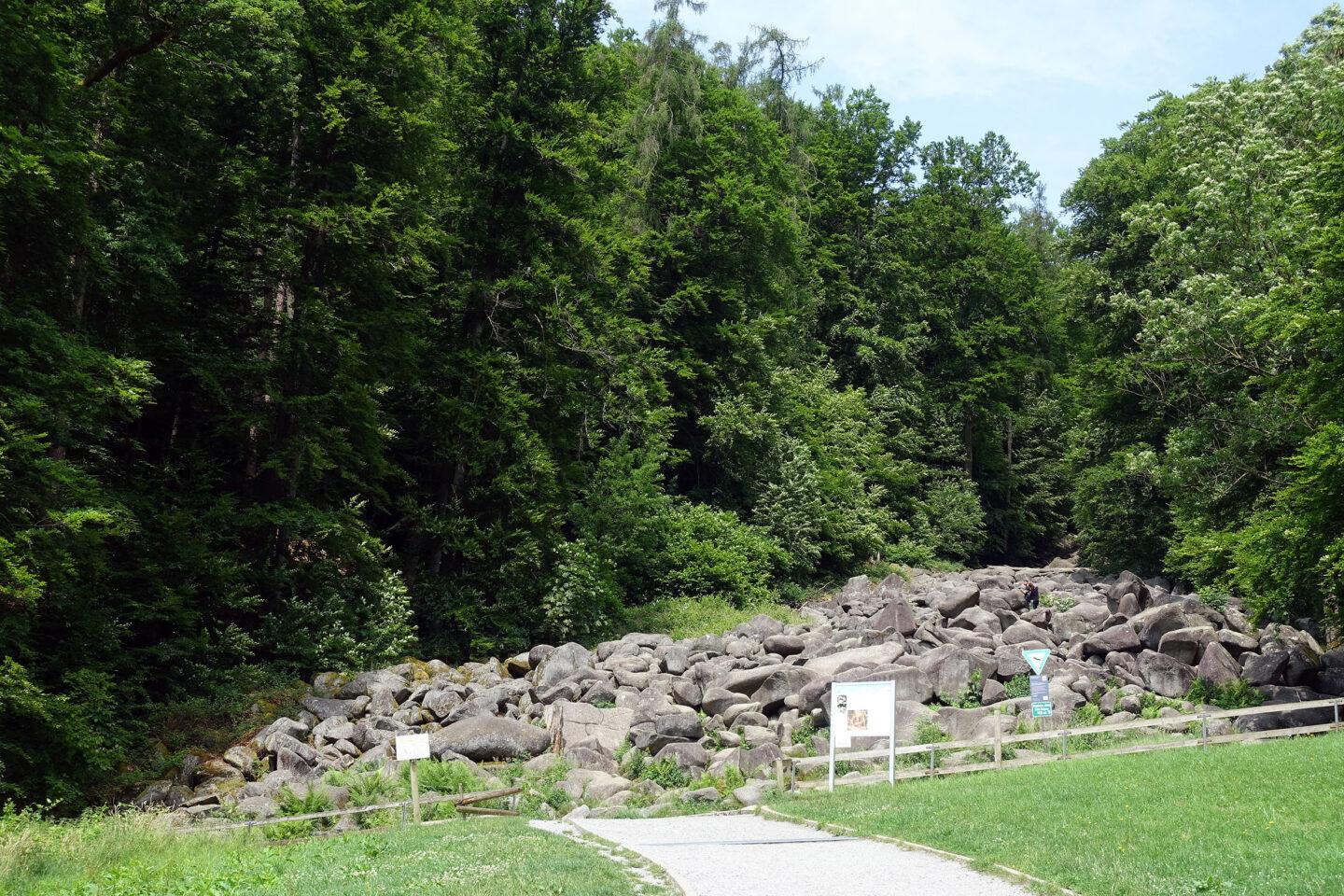
The Felsenmeer (sea of rocks) near Reichenbach, with around 200,000 visitors annually, is one of the most popular destinations in the Odenwald region. However, these high visitor numbers are putting increasing pressure on the forest and especially the forest floor. As the Darmstadt Regional Council has announced, clear visitor management measures will therefore be implemented to protect sensitive areas while still allowing climbing in the boulder field.
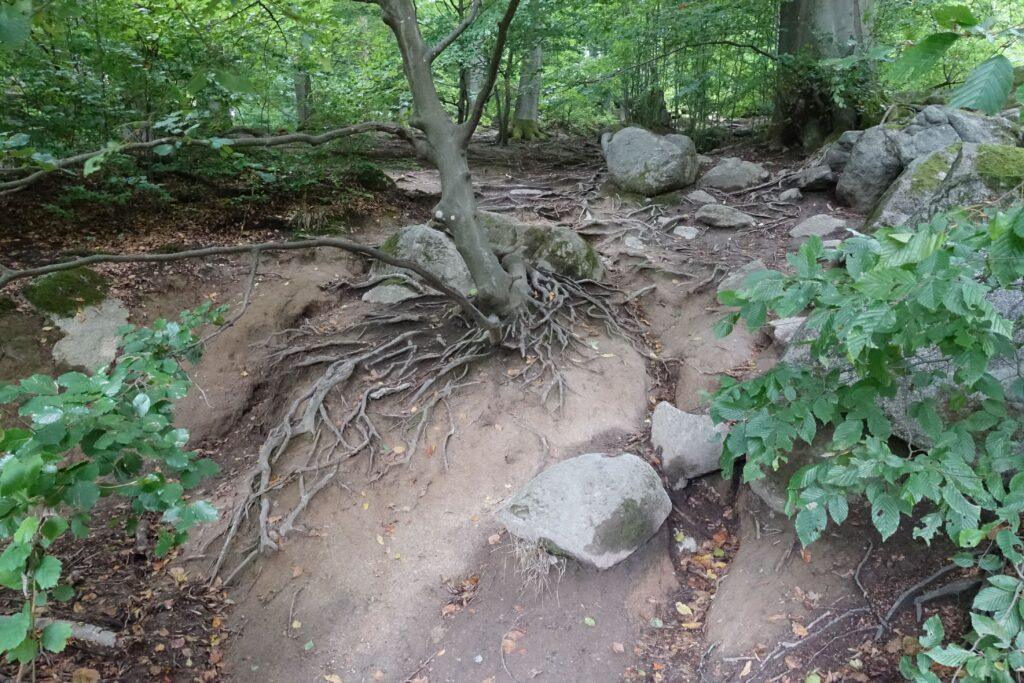
The Felsenmeer (Sea of Rocks) is not only a popular tourist destination, but also a nature reserve and part of the European Natura 2000 network of protected areas. Because many visitors stray from the designated paths, tree roots are exposed. This can cause old trees to die, while young trees may no longer be able to grow back.
Climbing in the Felsenmeer (sea of rocks) should remain possible
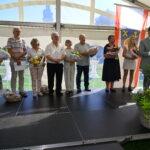
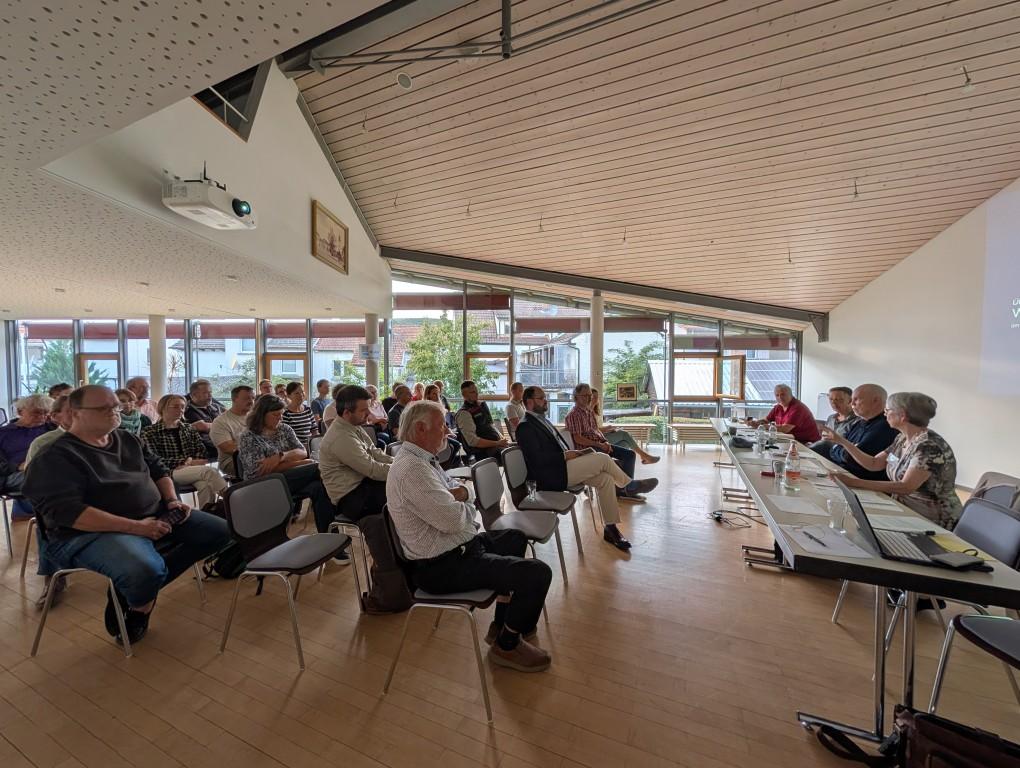
To protect the forest, the regional council invited representatives from various groups and institutions to a regional conference at the Lautertal town hall. The discussions were based on a management plan commissioned by the regional council.

From now on, access to the forest will only be permitted on designated and clearly marked paths. Rock climbing will remain allowed. At the same time, sensitive forest areas will be protected from widespread use. The shorter paths, used by the majority of visitors, will be clearly highlighted.
“We want to continue allowing climbing and movement on the boulder field as before. But with so many visitors, good infrastructure and clear orientation are needed, just like in other places where many people move around,” explains Henriette Wache from the Darmstadt Regional Council.
Unofficial trails are to be closed
In the future, designated paths should be clearly marked at every point and provide orientation even in poor lighting conditions. This is intended not only to protect nature but also to reduce the risk of accidents.
Plans also include renovating stepped pathways, implementing measures to improve rainwater infiltration, and fencing off particularly sensitive areas. Existing informal paths will be closed. According to the regional government, these paths pose a danger to visitors, primarily due to falling branches and unstable trees.
The regional conference supports the concept
The proposed route of the paths was generally approved by the participants of the regional conference. However, details still need to be clarified. There was agreement that visitor management should be accompanied by appropriate public relations work.
Discussions included additional information panels, digital information resources, educational programs, and interactive exhibits. A ranger service provided by the municipality of Lautertal, directly engaging with visitors, was also considered. Donations will be collected to rebuild the bridge over the Blockstrom stream.
Forest floor plays a central role
The forest floor is of particular importance. It forms the basis for the natural regeneration of the forest, the preservation of the tree population, and biodiversity. Intact soil can also retain rainwater and thus reduce erosion. It is also important for the protection of the cultural and historical features of the Felsenmeer (sea of rocks).
Nature conservation, forestry, tourism, municipalities, associations, and private individuals should therefore work together on further development. "If we provide visitors with clear information, we have a good chance of preserving the Felsenmeer (sea of rocks) and the surrounding forest as a unique natural and recreational area, and at the same time protecting it for future generations," said Henriette Wache.
Further information: Darmstadt Regional Council
RED/RPDA)
Featured image: Regional conference on the Felsenmeer. Photo: RPDA