

The 2024 Olympic Games will unite the world in the spirit of fair competition and boundless enthusiasm amidst crises – a report by Alexander Götz
The last time I traveled to Paris, I was greeted by a different city than the one I encountered this summer. Back then, I wanted to show my children the City of Love with all its sights and booked a lovely hotel not far from the Eiffel Tower. Unfortunately, Paris showed us its ugly side: Riotous Yellow Vest protesters made a visit to the Arc de Triomphe, the Champs-Élysées, and the Place de la Concorde impossible. Due to the threat of terrorism, the Eiffel Tower was only accessible through airport-style security checks, including body scanners. Because of the crowds, we decided to skip this attraction as well. Notre-Dame hadn't yet burned down, but rats the size of cats were swarming outside. The metro stations were filthy and smelled of urine. "What has become of 'my' city?" I thought. The world had changed. That was in 2018.
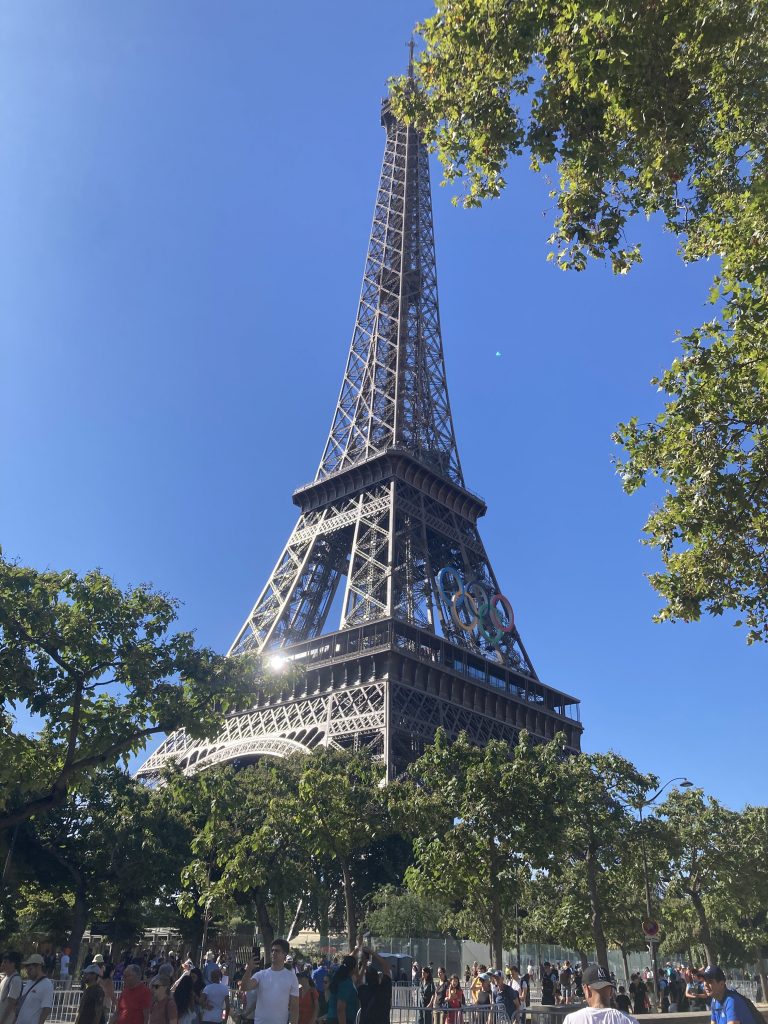
This year I visited Paris again with my children, this time for the Olympic Games. And once again I thought: The world has changed – this time for the better. Amidst the many political and social crises worldwide, the French capital offered an oasis of peace, joy, and international understanding for two weeks. Visitors from all over the world readily caught the Olympic fever. The motto of all the tourists seemed to reflect the Olympic spirit: Whether you have plenty of money and can afford tickets for competitions or just watch the marathon for free from the roadside – taking part is everything! People from all sorts of nations waved flags, carried symbols of their homelands, and exchanged fan merchandise. Every evening, thousands gathered in front of the Louvre when, at nightfall, the Olympic flame was lifted into the sky by balloon in the Jardin des Tuileries next door – a truly magical moment. If Paris can create such an atmosphere of joy and togetherness, why can't we do it all over the world?
Pure football euphoria without alcohol
A highlight of our trip was to be attending the men's football final between France and Spain. We got our tickets through an online provider, not the official ticket website. Initially, I was suspicious of the portal, but it turned out to be very reputable. Tickets at truly reasonable prices were transferred directly from the original owner after booking. The portal functions like a marketplace: some events were in high demand and correspondingly expensive (athletics, volleyball), but there were also bargains (handball, water polo) for less than 30 euros per ticket, sometimes even below the official price.
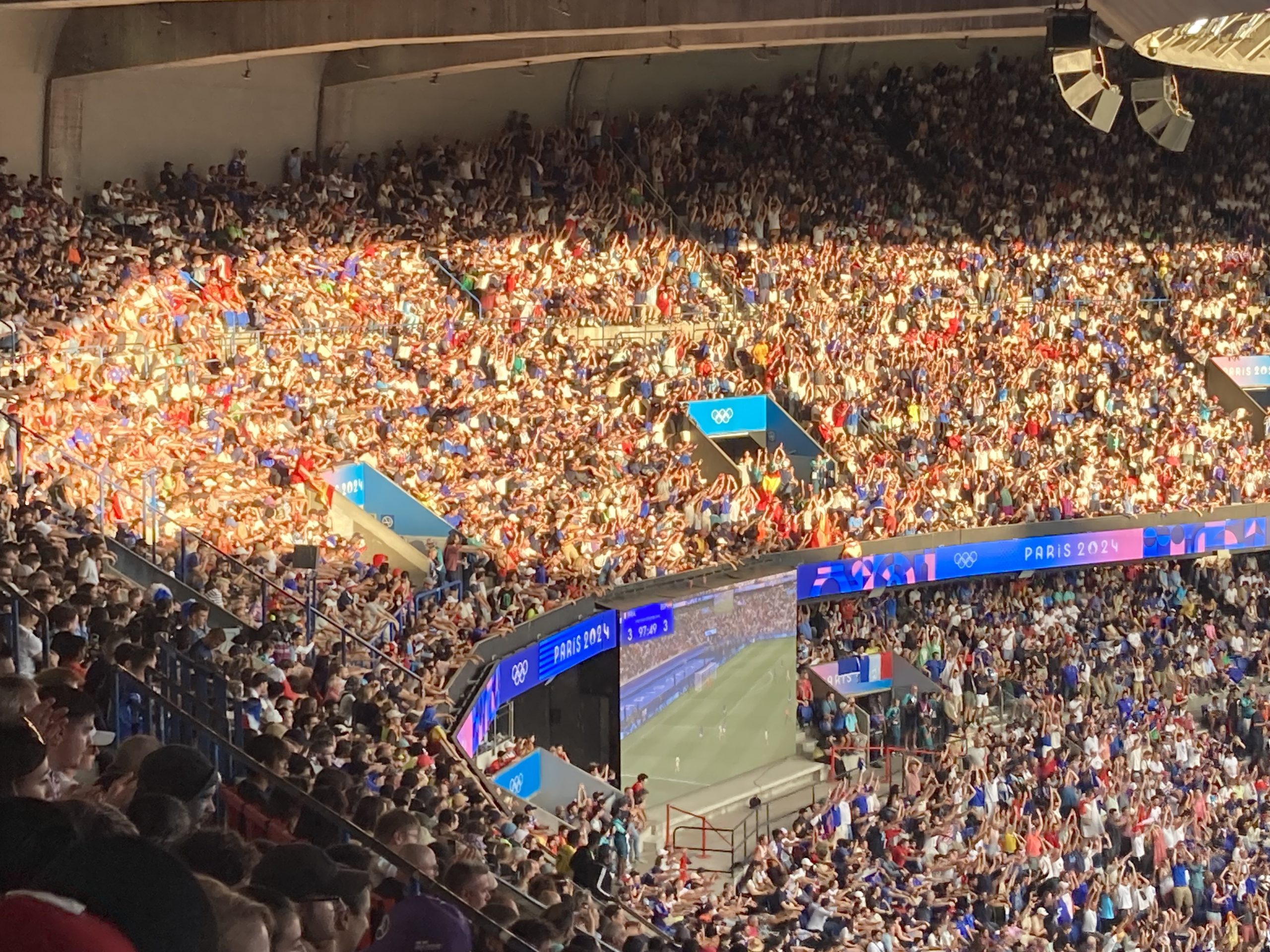
For me, a visit to another stadium on my "must-see" list was on the agenda: the Parc des Princes in Boulogne-Billancourt, bordering Paris, home of the Parisian club Saint-Germain. We were staying on a boat on the Seine, not far from the stadium, and set off by bicycle. I immediately wondered if Jochen Partsch had once been mayor here: an excellent network of bike paths makes getting around Paris a breeze. More on that later. We were barely checked at the stadium gates. That was strange, since there was a heavy police and military presence well before the stadium and throughout Paris in general. Just a light pat-down, that was all. Perhaps I didn't quite grasp the security concept. There's no alcohol before or inside the stadium, and smoking is strictly prohibited. Despite this, the atmosphere was fantastic and surprisingly peaceful. No annoying heckling, no harassment, no embarrassing chants, or even fights. There were no millionaire egomaniacs on the pitch here, and yet (or perhaps precisely because of this) lively (French) songs prevailed over the dull, monotonous, incessant chanting. In the end, the French congratulated the Spanish on their well-deserved gold medal. The Iberians triumphed 5-3 against France in a fantastic match.
The "Bois de Boulogne" has two faces
The Bois de Boulogne, which separates the stadium from our houseboat, is the largest recreational area in western Paris. Spanning 850 hectares, it acts as the green lung of the capital and encompasses several parks and gardens. It offers numerous pedestrian walkways, 28 kilometers of bridle paths, and 15 kilometers of tourist cycle paths. Only in the evenings does it transform into something rather bizarre. Then you encounter shady characters and numerous prostitutes. So we decided to take a taxi back. Speaking of taxis: Taking a taxi in Paris has always been a relatively inexpensive option. With services like Bolt, Uber, and others, it's become even cheaper. It can sometimes be cheaper for a family to take a taxi than the metro. These days, I would never voluntarily travel around Paris by car; only by bicycle or taxi, and only occasionally by metro.
Paris is leading the way in green mobility
On Saturday, the penultimate day of the Games, we visited the center of Paris – by bicycle, of course – and saw the numerous sights, many of which were adjacent to a competition arena. What a fantastic feeling to cycle up Avenue Foch to the Arc de Triomphe! A day pass costs 5 euros for a regular bike and 10 euros for an e-bike. There are rental stations every 500 meters. The bike paths are excellent and not very dangerous for a major city. This is what green mobility looks like. Generally, I increasingly find Germany to be lagging behind other countries. Last year, I had the opportunity to visit several large Spanish cities: Logroño, Burgos, and León – all of these cities were bustling with activity, their city centers full of life. Creative shops stood next to chain stores. High-end items were displayed alongside the unusual. The wealthy lived next to the less wealthy. The diversity in these city centers and the friendly openness of the people impressed me. Buses and trains in Spain are usually punctual and fast. The same is true in France. In Germany, however, people prefer to keep quiet about this topic. There are many more such issues to discuss, but let's return to the Olympics:
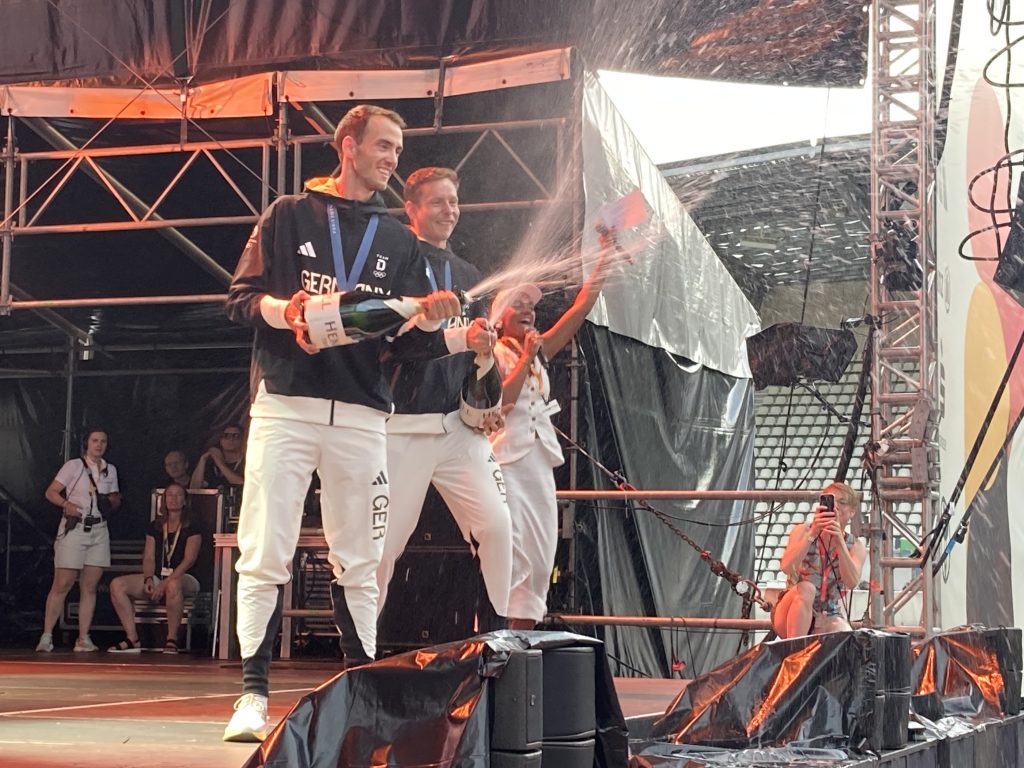
"It's pretty crazy when you throw the ball up for the serve and suddenly an Eiffel Tower appears when you look up."
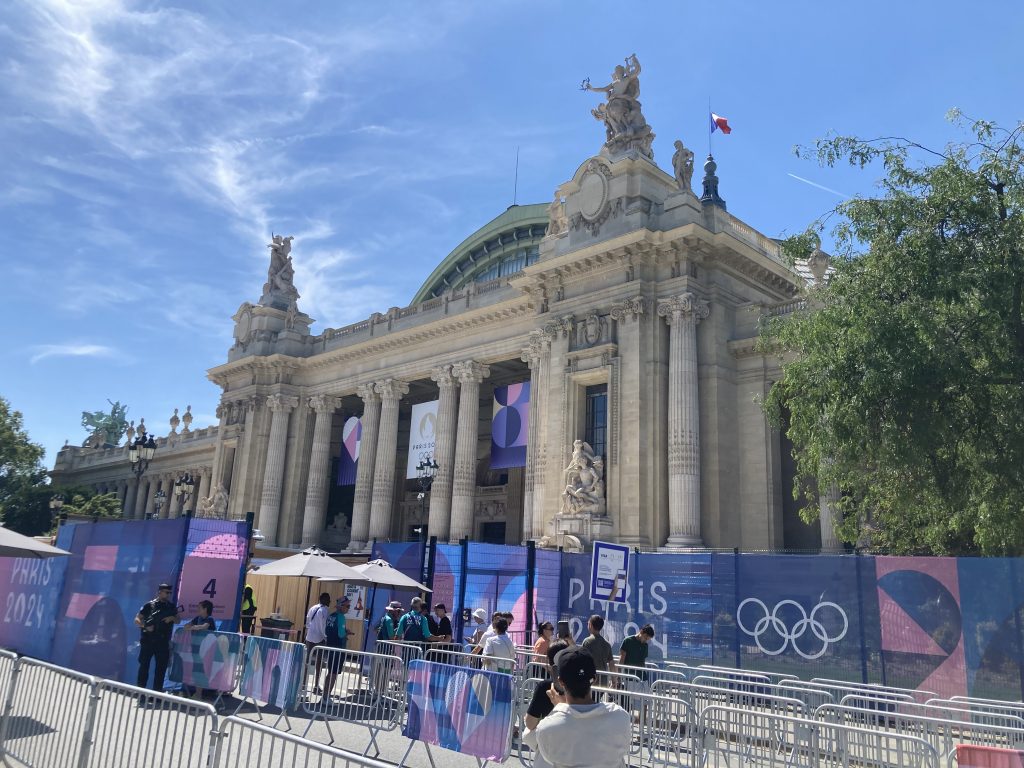
The competition venues are magnificent. Historical buildings, such as the Petit Palais and Grand Palais, were also integrated into the concept. Another highlight was the Eiffel Tower Stadium, which hosted the beach volleyball competitions, among other events. "It's pretty crazy when you toss the ball up for a serve and suddenly the Eiffel Tower appears when you look up," joked Nils Ehlers later on the stage of the German Fan Zone. Together with his partner Clemens Wickler, the German duo won silver in the beach volleyball competition.
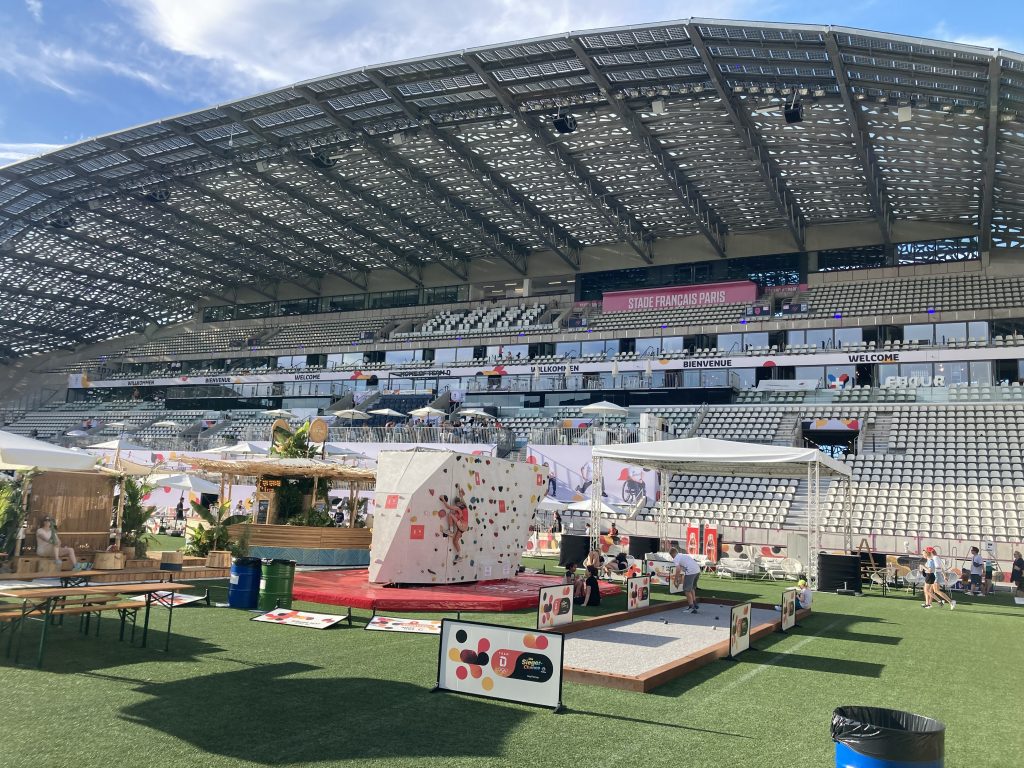
The German House 2024, the "Home of Team D" at the Stade Jean Bouin – located right next to the Parc des Princes and the Stade Roland Garros – was the official meeting point for Team Germany in Paris. That's where we headed in the afternoon. In the German House's fan zone, you could try out sports like table tennis, 3x3 basketball, bouldering, and skimboarding at activity stations, as well as watch the competitions on big screens. We even got to meet the two beach volleyball players at the (show) stage. For a reasonable entrance fee of 40 euros for three people, you really get a special Olympic atmosphere. I couldn't help but chuckle, though, when I saw the food on offer: meatballs, Leberkäse rolls, potato salad, and wheat beer – just what you'd expect in Germany. Seriously, it was a nice culinary change of pace and a pleasant reminder of home.
Budget, origin, skin color – none of that matters. Being there is what counts!
On Sunday, our last competition was on the schedule: the women's marathon. Speaking of marathons, Paris had come up with something truly special: the "Marathon for All" took place the evening before on the Olympic marathon course. Alternatively, there was also a 10K run (which I could have qualified for if I were more disciplined). Everyone who participated could become an Olympic champion. Unfortunately, you had to apply for a starting place very early and complete several challenges via an app just to have a chance. Naturally, all the starting places were long gone. I would have spontaneously decided to run the 10K.
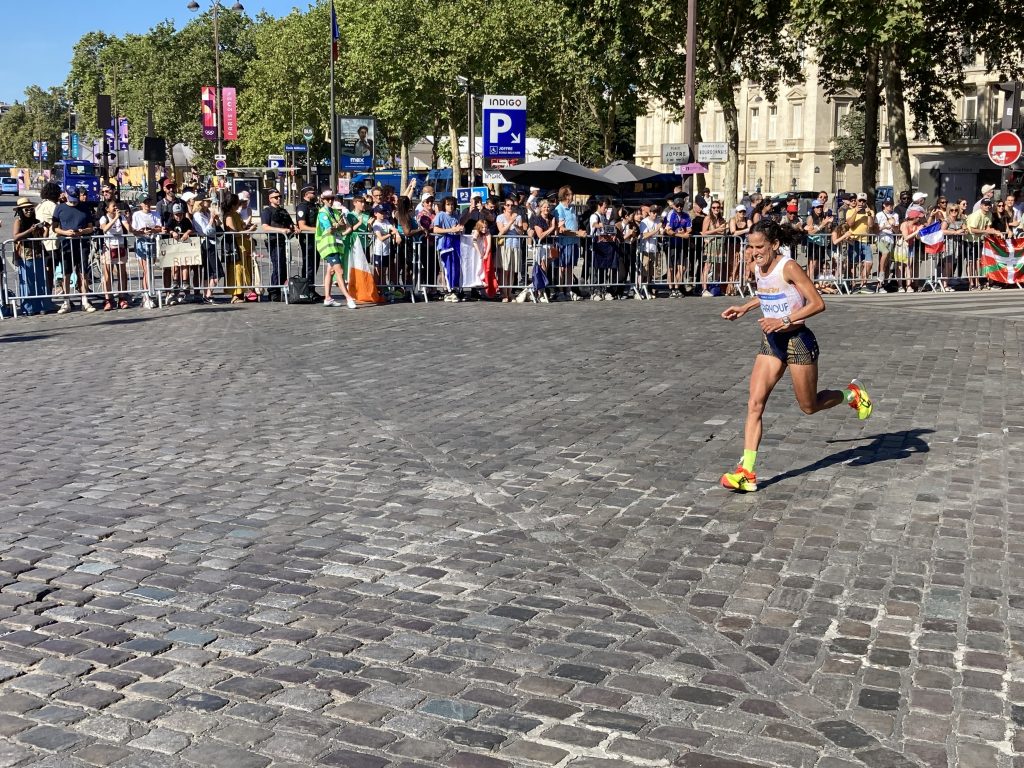
On Sunday, the city is electrified one last time. Tens of thousands of people line the marathon route, waiting for the runners. It's the confluence of so many things that gives me goosebumps: this incredible sense of community, the cheering for the runners, national pride yes, racism no. The police, riding motorcycles in front of the runners, honk their horns and are loudly cheered by the spectators. You only see something like this at the Olympics. The athletes arrive, and each one is cheered loudly until the very last runner has passed. Then the crowd disperses and joyfully heads off to enjoy the rest of the day. These Games have touched me and changed me in some way.
We need the Olympics more urgently than ever
“Sport has the power to change the world,” Nelson Mandela said, and he is still right today. We should have the courage to reach for the Olympic Games. We can organize, we are fantastic hosts – we already proved that at the 2006 European Championship and World Cup. Despite all the problems in the country, France was internationally united for the duration of the Games, and I am sure that this effect will have a lasting impact. Perhaps that is precisely why we in Germany need the Olympics more urgently than ever.