Archaeologist Ernst Pernicka will report on new investigation methods and research results at the Hessian State Museum in Darmstadt on November 18th
Where did the gold come from that was used to craft precious jewelry more than 4,000 years ago? A lecture at the Hessian State Museum in Darmstadt on Wednesday, November 18, 2026, will address this question. Titled "Where Did the Gold of Troy Come From?", the lecture will feature archaeologist and archaeometry expert Prof. Dr. Ernst Pernicka presenting new scientific findings on the famous gold treasures of the Early Bronze Age. Admission is free.
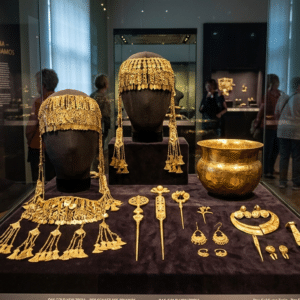
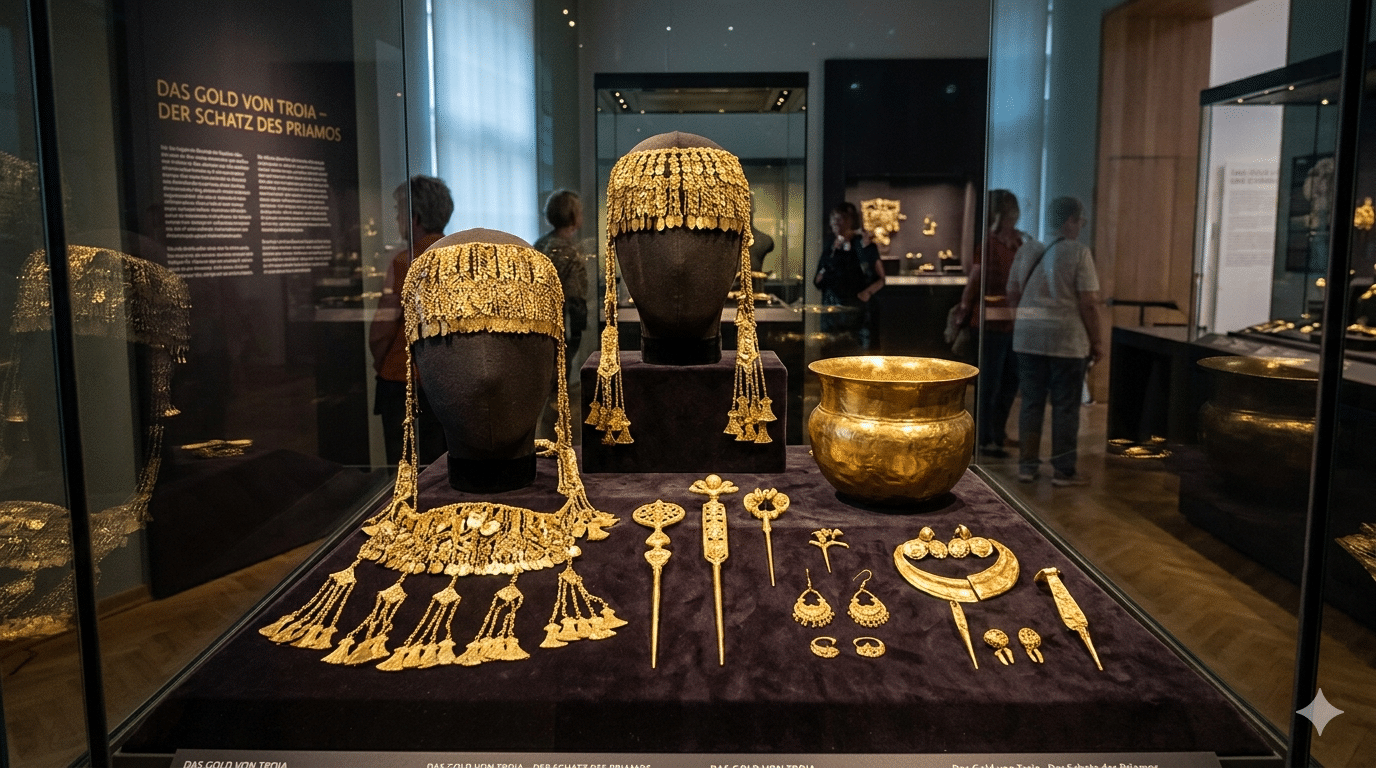
The exhibition focuses on gold objects from Troy and Poliochni, a Bronze Age settlement on the Greek island of Lemnos. The jewelry dates from between 2500 and 2000 BC and is among the most important archaeological gold finds of this period.
Using modern laser technology to search for clues
To investigate the origin of the gold, an international research team used an innovative mobile laser method. This enabled them, for the first time, to analyze tiny samples from famous gold objects from Troy and Poliochni.

The investigations were carried out on objects in the National Archaeological Museum in Athens. The aim was to gain clues about the original origin of the precious metal used, based on its chemical composition.
The researchers compared the results with analyses of gold objects from Ur in Mesopotamia and from other regions of Southwest Asia.
In this way, possible sources of the gold should be narrowed down and new insights into the connections between the cultures of the early Bronze Age should be gained.
New insights into the gold treasures of the Bronze Age
The question of the gold's origin is of particular interest to archaeological research. The raw materials used can provide clues as to which regions people sourced their materials from and what connections existed between widely separated settlements.
In his presentation, Ernst Pernicka explains the laser method used and presents the results of the investigations. He also discusses what conclusions can be drawn about the possible origin of the gold from its composition.
Internationally recognized expert in archaeometry
Professor Dr. Ernst Pernicka was for many years the Scientific Director of the Curt Engelhorn Center for Archaeometry at the Reiss-Engelhorn Museums. He also headed the Troy Project at the University of Tübingen.
Archaeometry combines scientific methods of investigation with archaeological questions. Modern analytical techniques allow researchers to investigate, for example, materials, manufacturing processes, and possible places of origin of historical artifacts.
The lecture at the Hessian State Museum in Darmstadt begins at 6 p.m. Doors open at 5:30 p.m.
The most important information
- Event: “Where did the gold of Troy come from?”
- Date: Wednesday, November 18, 2026
- Start time: 6 p.m.
- Doors open at 5:30 pm
- End: 7:30 p.m.
- Speaker: Prof. Dr. Ernst Pernicka
- Location: Hessian State Museum Darmstadt
- Address: Friedensplatz, Darmstadt
- Admission: Free
(DARMSTADT – RED/PM)
Featured image: The treasure of Troy. Photo: Ralf Herber, created with AI