


“Multifaceted Insects” can be seen at the State Museum until January
They crawl, buzz, shimmer, and fly – yet are often barely noticed. The Hessian State Museum Darmstadt (HLMD) is now dedicating an entire exhibition to insects. "Multifaceted Insects: Diversity / Threats / Protection" will be on display from August 13, 2026, to January 24, 2027, and combines impressive photographs with information about the enormous biodiversity, ecological importance, and threats facing insects.
More than a million insect species have been described so far. This makes them the most species-rich group of animals on Earth. Beetles, dragonflies, butterflies, and wild bees have developed a wide variety of abilities and survival strategies over the course of evolution.
“We are delighted to be able to inspire people of all ages with this exhibition about the fascinating world of insects,” says Julia Hillebrand, Deputy Director of the Hessian State Museum Darmstadt. The exhibition combines impressive images with scientific information and invites visitors to take a closer look and rediscover nature.

Details that remain hidden to the naked eye
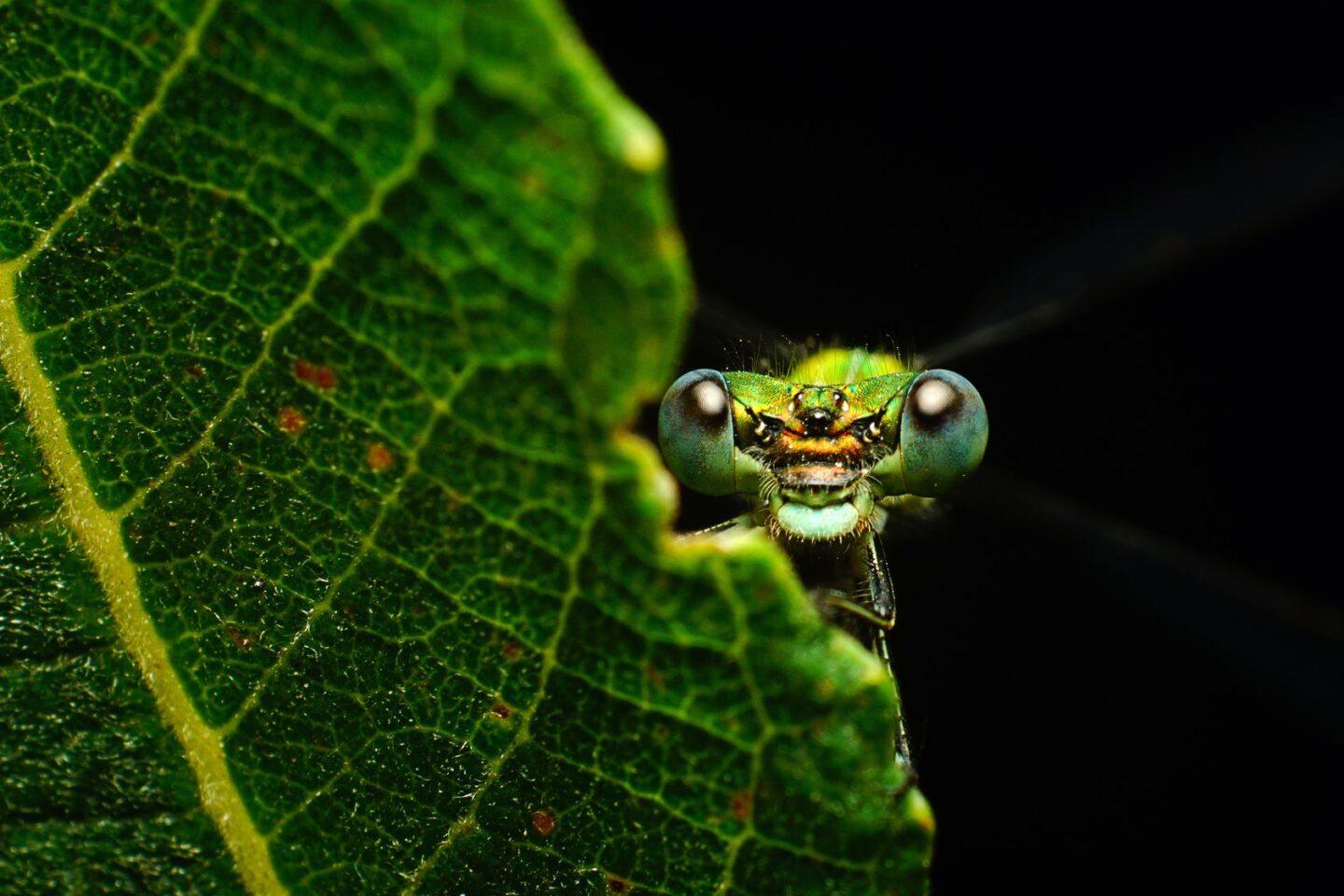
Large-format photographs reveal structures and details that are often barely noticeable in nature. These include the complex compound eyes of a dragonfly, the wing patterns of butterflies, or the delicate body structures of beetles.
It's not just about the beauty and diversity of the animals. The exhibition also shows the fundamental importance of insects for functioning ecosystems. They pollinate wild and cultivated plants, contribute to the decomposition of organic matter, and serve as a food source for numerous other animal species.
At the same time, many species are threatened. The loss of suitable habitats, intensive agriculture, pesticides, and climate change are taking their toll on insects. "The beauty of insects is impressive, but their importance to our environment is even greater," explains Prof. Dr. Torsten Wappler, Head of Natural History and Head of Collections at the Messel Pit at the Hessian State Museum.
The exhibition aims not only to impart knowledge but also to raise awareness of the need to protect biodiversity. It demonstrates how even small measures – such as a naturally designed garden or a more conscious use of resources – can contribute to the protection of insects.
Griesheim Dune showcases regional biodiversity
The exhibition gains a special regional connection through the Griesheim Dune. This rare inland dune habitat, with its extremely dry sandy grasslands and steppe-like landscapes, provides a home for numerous highly specialized plant and animal species.
Four rare insect species from this special habitat are presented in more detail in the exhibition. The animals are displayed as taxidermied specimens in a glass case.
The exhibition thus makes it clear that extraordinary habitats and a correspondingly specialized biodiversity are not only to be found in faraway regions, but right on the doorstep of Darmstadt.
Insects: Between Fascination and Danger
"Multifaceted Insects" is aimed at nature enthusiasts of all ages, as well as families and school classes. In addition to imparting knowledge, the exhibition seeks to encourage a more conscious perception of insects – as highly developed living beings, an indispensable part of nature, and cohabitants worthy of protection.
The traveling exhibition and the accompanying book of the same name are part of a project on the topic of insect extinction, initiated by NORe eV, an association of natural history museums in the North and Baltic Sea region.
The exhibition is accompanied by a supporting program.
Exhibition “Multifaceted Insects”
Dates: August 13, 2026 to January 24, 2027
Location: Hessian State Museum Darmstadt
Themes: Diversity, endangerment and protection of insects
Special feature: Insects of the Griesheim Dune and large-format nature photographs
(DARMSTADT – RED/HLMD)
Featured image: Dragonfly. Photo: Oliver Eckelt