


ADVERTISING
Dupondius, along with Emperor Vespasian, came from Lyon – the find probably originated in the asparagus field
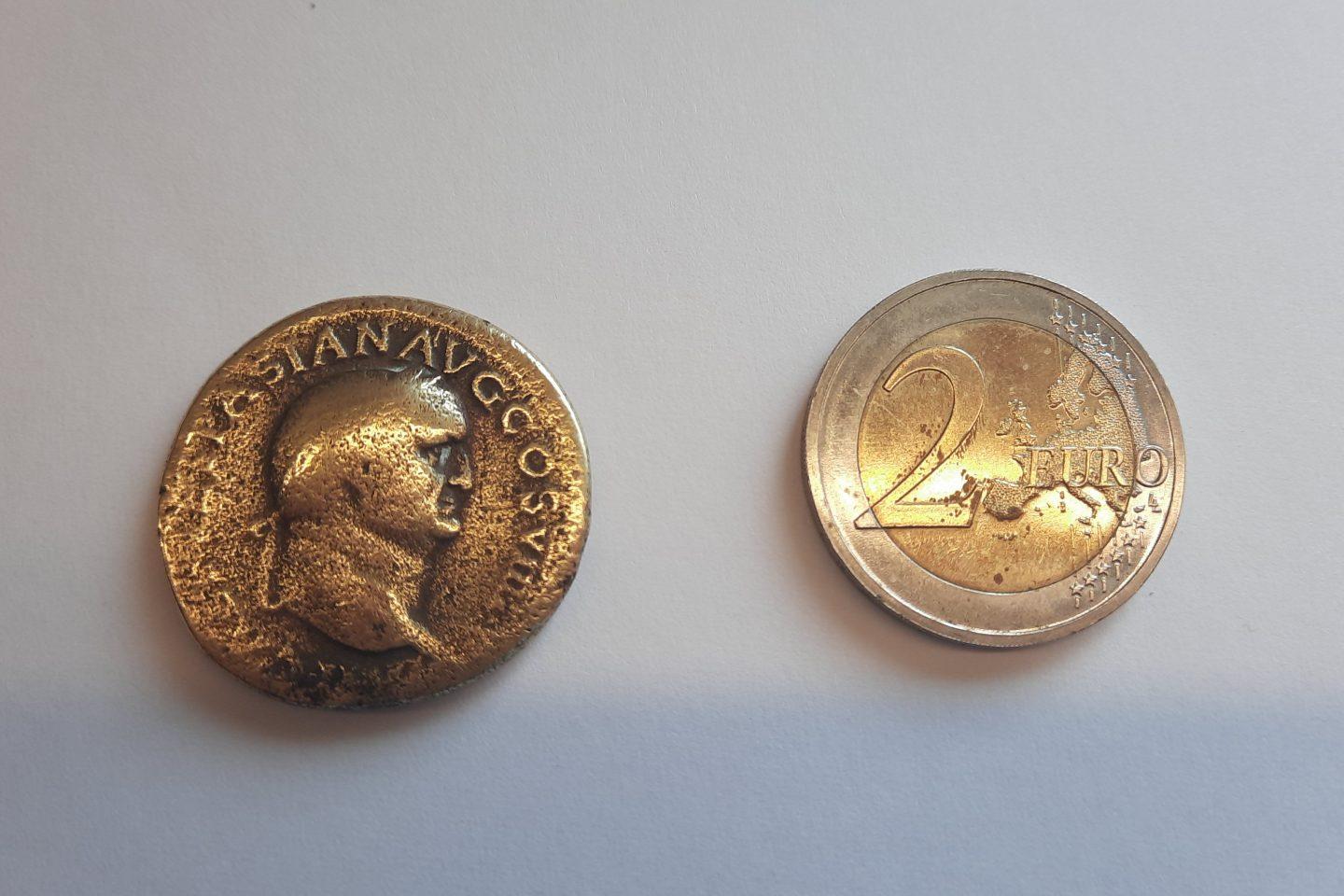
The Griesheim city archive is delighted to announce a new historical acquisition: a Roman coin, a so-called dupondius, was recently handed over to the archive. It is an original coin dating from around 77 to 78 AD, minted in what is now Lyon, France, and depicts Emperor Vespasian.
asparagus harvesting in the 1970s and recently donated to the archives by the widower of the woman who found it. The Hessian State Office for the Preservation of Monuments confirmed the authenticity of the find. The dupondius was a common small coin in antiquity, roughly comparable to a modern cent coin.
A window into the Roman past of the region
The find sheds fascinating light on the region's Roman past. Roman soldiers were stationed along the Rhine at that time and utilized local services such as restaurants, laundries, and workshops. It is not unusual for coins to be unearthed during fieldwork or on farmland – they occasionally also point to the remains of underground settlements .
Significance for research and monument preservation
The city archives point out that the exact location of the find is important for its scientific classification. Furthermore, legal regulations apply to finds of this kind: According to the law, half of a find belongs to the finder and the other half to the property owner – unless the find is of regional historical significance, in which case it becomes the property of the state.
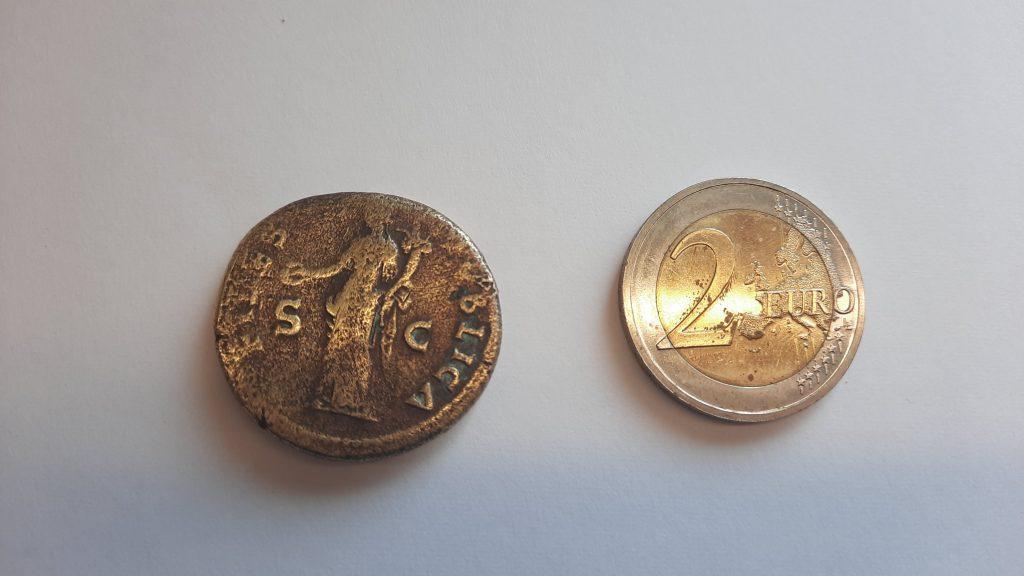
Reports of such finds can be made to the city of Griesheim , the Lower Monument Protection Authority at the district of Groß-Gerau or the State Office for Monument Preservation Hesse .
A Roman coin from the 4th century AD already found in the Griesheim area in 1989 – also during asparagus harvesting. At that time, the finder was allowed to keep the coin.
(GRIESHEIM – RED/PSG)