
New media station tells the story of work, research and memory
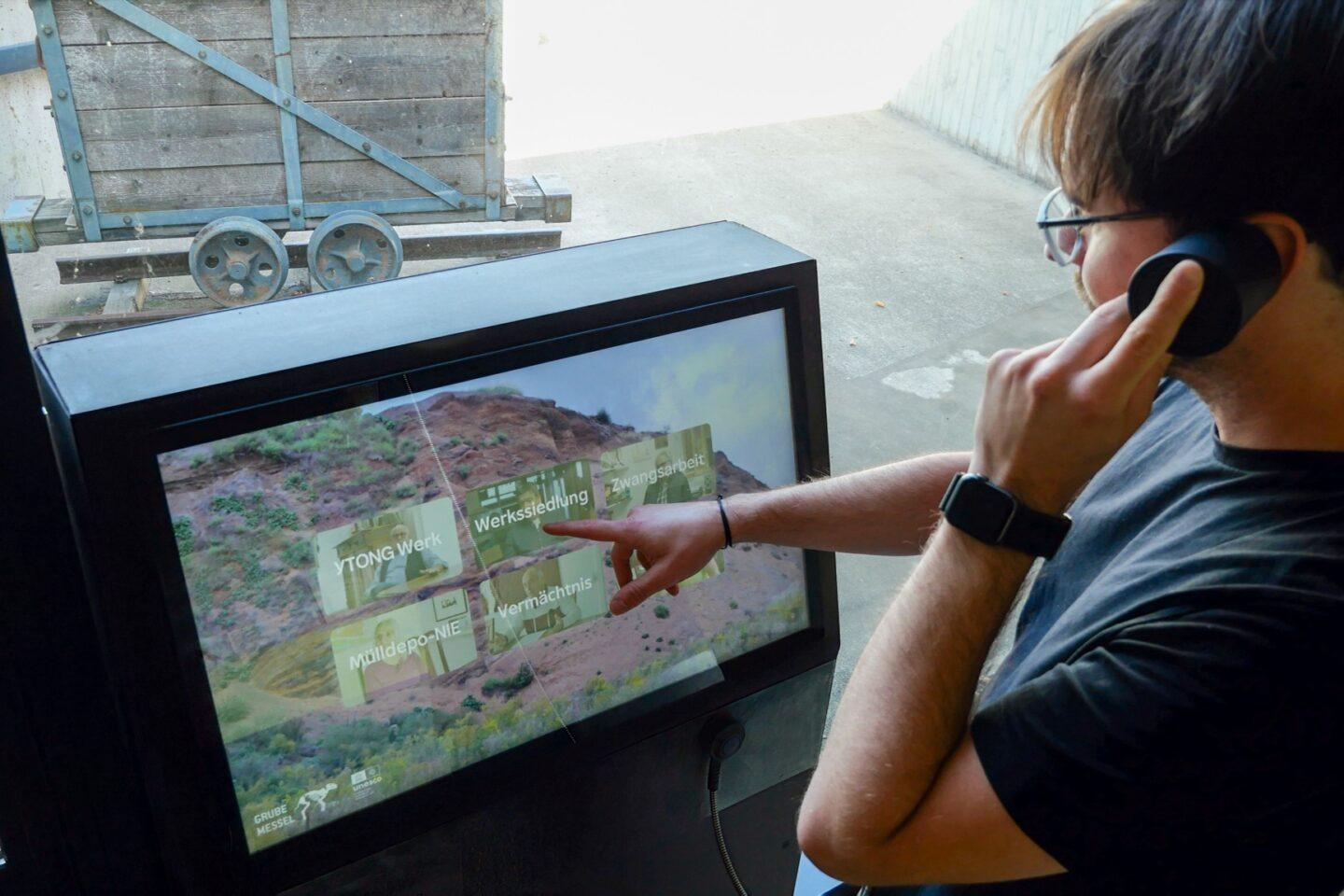
Mining, fossil hunting, civic engagement, and life around the Messel Pit are the focus of a new media station at the museum located at the UNESCO World Heritage Site. Entitled "Voices," the station features personal recollections from people closely connected to the site. The station now expands the exhibition area dedicated to industrial history.
The media station originated from the artistic-documentary film project "Layer by Layer" by Merthe Wulf. The project was realized in collaboration with the Offenbach University of Art and Design (HfG).
Six people tell their story
At the new station, visitors can listen to six short interviews with Norbert Wendel, Franz-Jürgen Harms, Gertrud Holleschovsky, Josef Zacharias, Klaus-Dieter Weiß, and Manfred Mößle. Their personal recollections cover topics such as industry and the world of work, forced labor, fossil hunting, civic engagement, and life at and around the Messel Pit.

“The Messel Pit is not only an extraordinary site in Earth’s history. Its more recent past is also multifaceted and closely linked to the people who lived, worked, conducted research, or campaigned for the pit’s preservation here,” explains Philipe Havlik, Managing Director of Welterbe Grube Messel gGmbH. Including these personal voices permanently in the exhibition helps not only to preserve history but also to bring it to life.
Film project “Layer by Layer” as a starting point
The media station is based on Wulf's graduation project at the Offenbach University of Art and Design (HfG Offenbach). For her approximately 90-minute film "Layer by Layer," she explored the landscape of the Messel Pit and combined it with orally recounted stories and memories. To do this, she conducted interviews with people who live or have lived in Messel, grew up there, or regularly return to the pit.
Among those interviewed was Janina Sulikowska-Wichman. She was born in 1944 to a Polish forced labor family in the Messel Pit camp. Her biography is therefore directly linked to the history of forced labor at this site.
The film does not follow a purely chronological account. Rather, it explores the question of what traces people, history, and memory leave on a landscape. Topics include the former factory settlement and the processing of oil shale, the forced labor camp during the Second World War, the resistance against a planned landfill, and the current excavations and ecological investigations.
The film will be shown in Messel
Following its initial public screening at the Messel Mining Festival in August, "Shift by Shift" will be shown again. The screening will take place on Tuesday, October 6, 2026, at 8:15 p.m. in the Sängerhalle Messel, Am Wildpark 12.Admission is free.
The new media station “Voices” can now be visited during the regular opening hours of the museum at the UNESCO World Heritage Site Messel Pit.
The most important data
Media station: "Voices" by Merthe Wulf
Location: Museum at the UNESCO World Heritage Site Messel Pit
Film: "Layer by Layer" by Merthe Wulf
Film screening: Tuesday, October 6, 2026, 8:15 p.m.
Location: Sängerhalle Messel, Am Wildpark 12, 64409 Messel
Admission to the film screening: free
(RED/PM/GM)
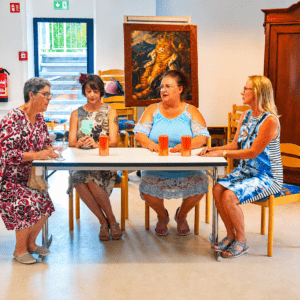
Featured image: New media station in the exhibition area on industrial history. Photo: Messel Pit World Heritage Site, Lukardis Wencker