
The Forest Art Association and the Lichtenberg School connect art, nature and democracy
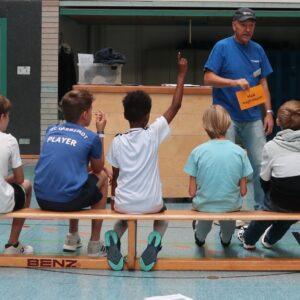
The Association for International Forest Art will open its new Forest Art Classroom on Thursday, June 11, 2026, at 4 p.m. at Ludwigshöhstraße 137. This unique learning space was created in cooperation with the Lichtenberg School and will offer students the opportunity to experience lessons outdoors.
The project “Nature – Art – Democracy: The Forest ART Classroom” was developed as part of the “Kunstvoll” funding program and combines artistic work with nature experiences and democratic education. Initially, the program is primarily intended for art classes, but in the future, other subjects will also be able to use the new learning space.
Nature becomes the classroom
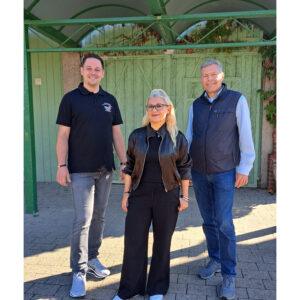
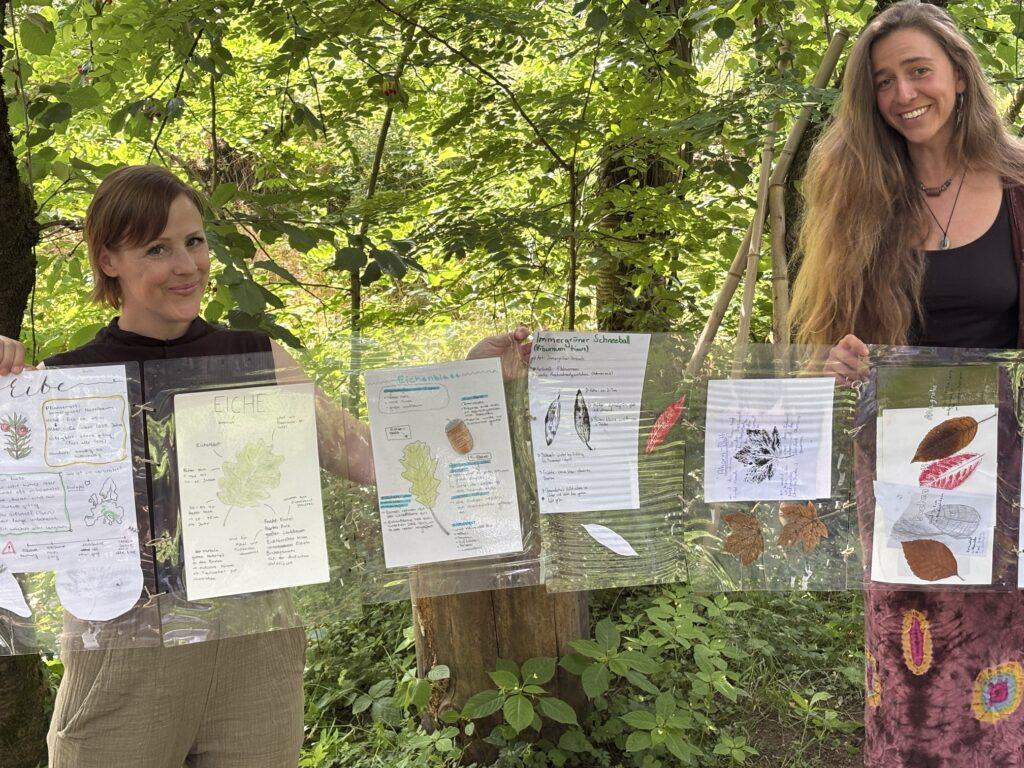
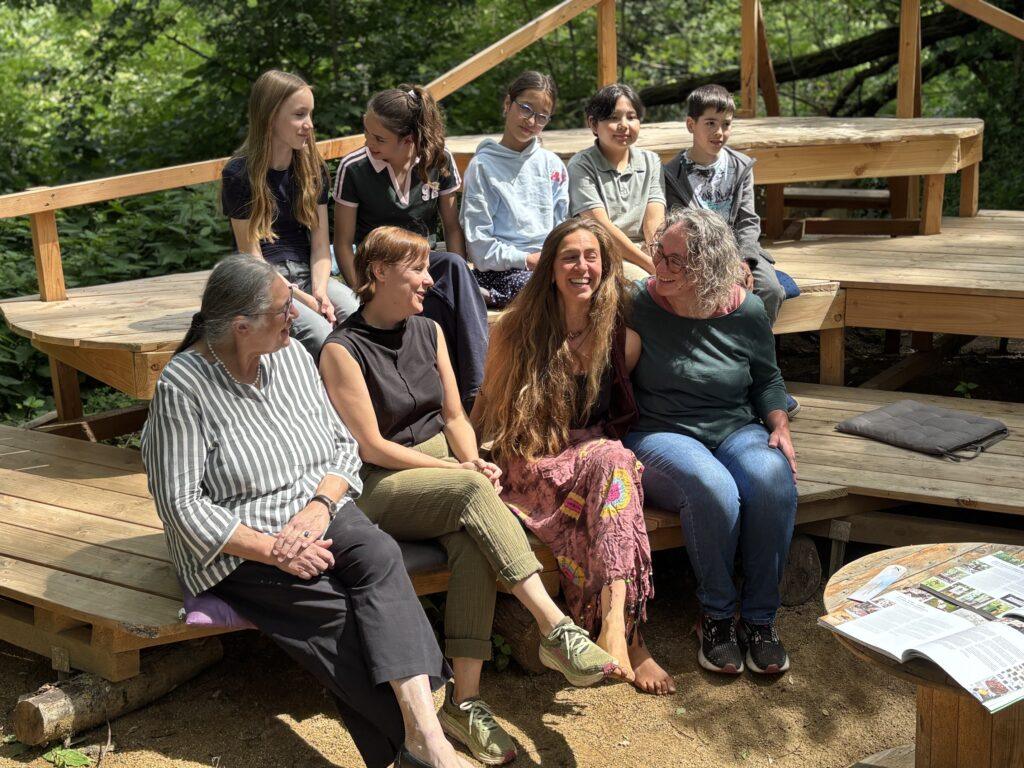
The project is led by artist Kim Rathnau from the Forest Art Association and art teacher Ilka Brosch from the Lichtenberg School. They are supported by, among others, artist Uli Muders and curator Ute Ritschel. A total of approximately 300 students from 13 classes in grades 6 through 12 (Q2) participated in its development.

The new learning space is located on the grounds of the International Forest Art Center near the Bessungen gravel pit. Before classes could be held there, the area first had to be cleared of dense vegetation. Subsequently, under the direction of master carpenter and educator Fred Schneidersmann, a diverse wooden structure made of Douglas fir, robinia, and oak was created.
At its heart is a multi-level platform for teaching, lectures, and meetings. This is complemented by areas for group work, quiet spaces, and flexibly usable exhibition areas.
Art projects on the topic of democracy and sustainability
The content of the Forest ART classroom is based on the motto “Democratic Forest” of this year’s International Forest Art Trail, which takes place from August to October 2026 in the forest at Böllenfalltor.
The students explored the forest as a habitat and investigated topics such as sustainability, participation, and social responsibility. The artistic process aims to make democratic principles tangible and create space for creative exchange.
Even before the official opening, the first works of art were created. Class 6a crafted clay objects using natural materials and helped with the landscaping. Class 9e installed oversized mushroom sculptures in the trees. Class 6b contributed dance-like leaf mandalas.
Long-standing cooperation will continue
The Forest Art Classroom continues the long-standing collaboration between the Forest Art Association and the Lichtenberg School. The project is supported by the Frankfurt Rhine-Main Cultural Fund, the City of Darmstadt, the Lichtenberg School's support association, and other partners.
The Design Department of Darmstadt University of Applied Sciences is also participating with its own forest art project. A total of approximately €20,000 was available for materials and fees.
Learning environment with development potential
The initiators see the Forest Art Classroom as a long-term project. In the coming years, the learning space is intended to grow further through additional artworks, structural additions, and new projects with students.
In addition to its educational value, the site also offers direct experiences in nature. Numerous animal species have already been observed during the construction work, including slow worms, foxes, hares, common buzzards, and even the rare golden oriole.
(DARMSTADT – RED/PM)
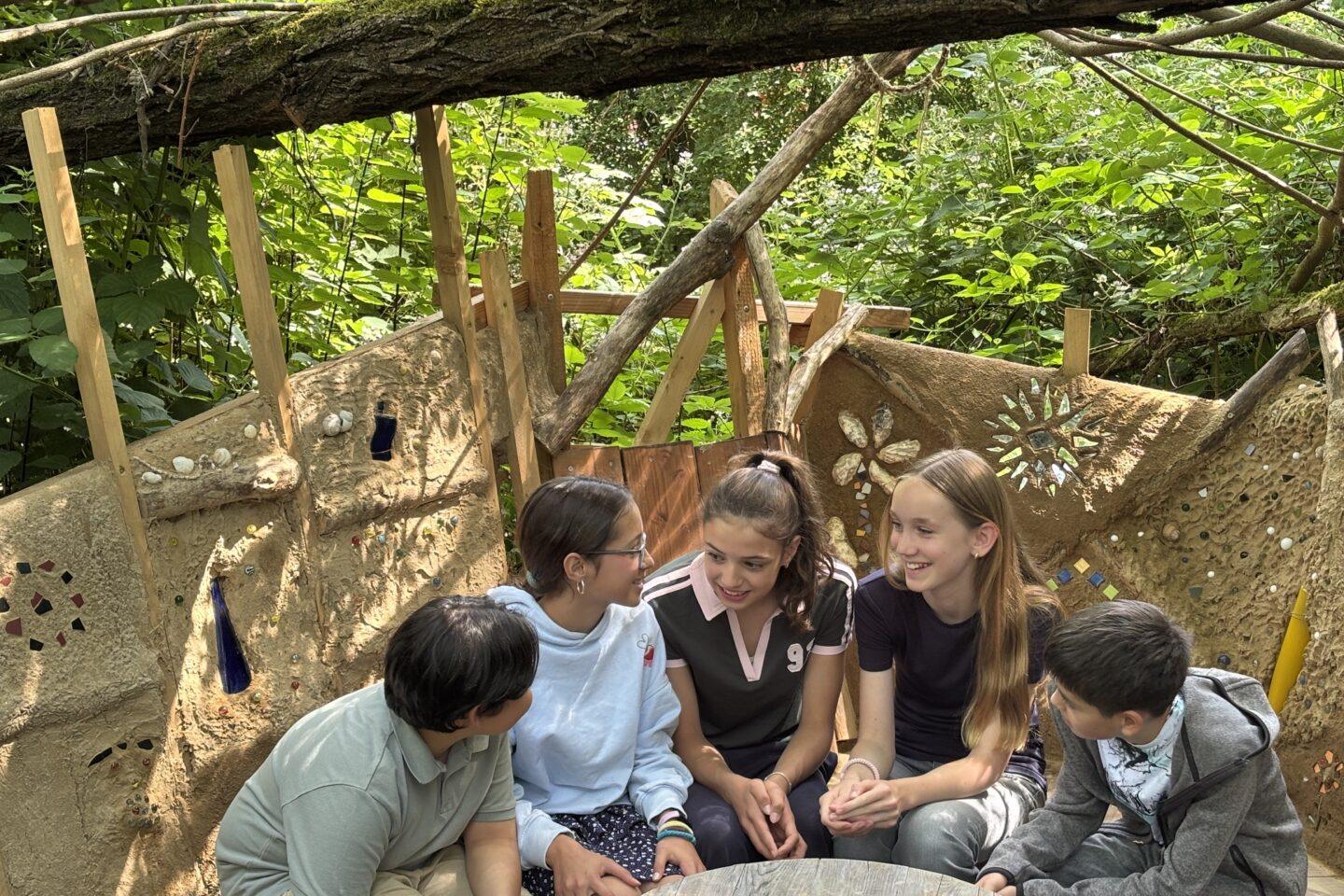
Featured image: David-Alexander, Julieta, Paula, Elisa, and Jonathan are engaged in a lively discussion about new projects in the "cozy corner" of the Forest Art Classroom. All photos: C. Ehry