Culture, music and community shape the community
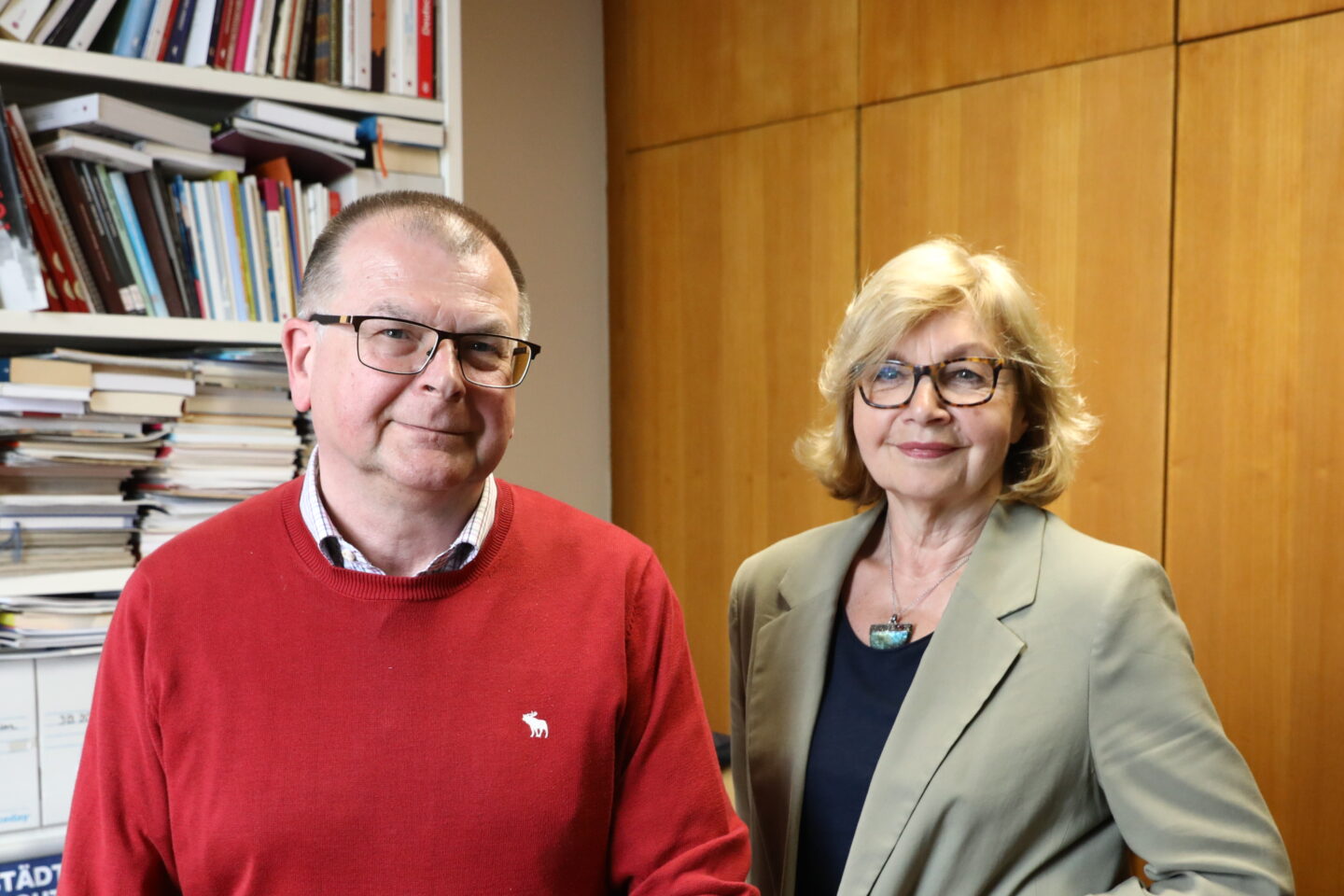
DA.news articles often rank highly in terms of page views, with Polish-language content frequently topping the list. This surprised us, so we investigated and discovered that there is a vibrant Polish community in Darmstadt, which isn't always immediately apparent. The diverse activities and resources aren't just for Poles, as Ela Heller, head of the German-Polish cultural association Salonik, and Andrzej Kaluza from the German-Polish Institute explain.
Determining the exact number of Poles in Darmstadt is difficult. Many have acquired German citizenship and are therefore not recorded as Poles in the statistics, as Kaluza explains. Official figures suggest around 3,000 people with Polish passports, but the number of people of Polish origin in Darmstadt and Dieburg is estimated at between 10,000 and 20,000.
In the 1980s and 1990s, there was great enthusiasm for Germany in Poland, as Germany was perceived as Poland's advocate in the EU and NATO. Town twinning agreements and foundations were established. However, today, the "German-Polish Barometer" of the German-Polish Institute shows that relations have been better in the past, as Kaluza points out.
Reducing prejudices on both sides
In Germany, there is often little interest in Poland, although positive experiences during visits are changing this. On the Polish side, there are complaints that Germany does not perceive Poland as an equal. Despite its Eurosceptic stance, the PiS government in Poland has succeeded in raising awareness of Polish issues in Germany, as Kaluza points out.
According to Kaluza, earlier stereotypes about Poles being "thieving" or "unpunctual" are less prevalent among younger generations. Heller, from the Salonik cultural association, believes the stereotype of the "distant German" has been refuted; she has experienced Germans as very helpful. German comedian and actor Stefan Möller, who is very well-known and popular in Poland, has also contributed to dismantling prejudices. His performances in Darmstadt attract hundreds of spectators, as he is seen as a positive figure promoting German-Polish understanding.
Polish offers in Darmstadt for everyone
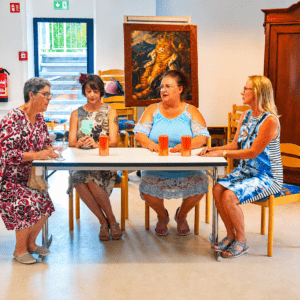
The German-Polish Cultural Association Salonik: The association was founded in 2004. The name Salonik (Polish for "small salon") is a play on words. The "ik" at the end of the word stands for "intercultural" and is also a Polish diminutive form. Salonik promotes Polish culture and language and is actively involved in the civic life of Darmstadt. In addition to various events and exhibitions, such as the current exhibition of works by Alex Fleischer (who died in 2025) at the Open House on Rheinstraße, there are three main activities each year.
spring/winter concert featuring Polish songs and poems took place at the Halbneuntheater. In the summer, a large barbecue is held in cooperation with other organizations, offering Polish food, music, folklore, and a book flea market. Up to 500 guests from a radius of approximately 200 kilometers attend.
the classical autumn concert has featured artists from Poland or those who perform works by Polish composers, such as the film composer Paweł Mykietyn. This year, on November 15th, the concert pianist Alexandra Mikulska, who is also president of the German Chopin Society, will perform in the Orangery.
Radio Darmstadt: The community radio station broadcasts the two-hour Polish radio program "Radio Bigos" on Saturday afternoons. According to Kaluza, it has been produced to a high standard for 25 years and serves as an important source of information and advertising platform for Polish events.
Political engagement: For several years, the political activity of the Polish community in Darmstadt's Foreigners' Advisory Council has also been growing. The group "Participation for Darmstadt" currently holds three seats.
Sport and education: An annual tennis tournament in Kranichstein has been attracting Poles from all over Germany for 30 years. The association "Die Brücke" (The Bridge) facilitated Polish language lessons for children through parent initiatives; today, Polish is officially supported as a heritage language in Hessian schools.
Trade and gastronomy: There is a large Polish grocery store on Eschollbrücker Straße and a Polish restaurant in Arheilgen, which also organizes events.
Jazz: In the 1970s and 1980s, the Darmstadt jazz club "Jam Pott" promoted Polish jazz musicians. Today, the association "United in Jazz" tries to connect Polish and German jazz music.
Church: There is a Polish Catholic community in Darmstadt that currently holds services in the "Round Church" (Ludwigskirche).
By Stephan Köhnlein
Regarding the people
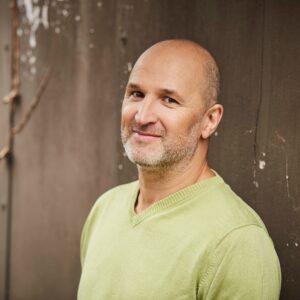
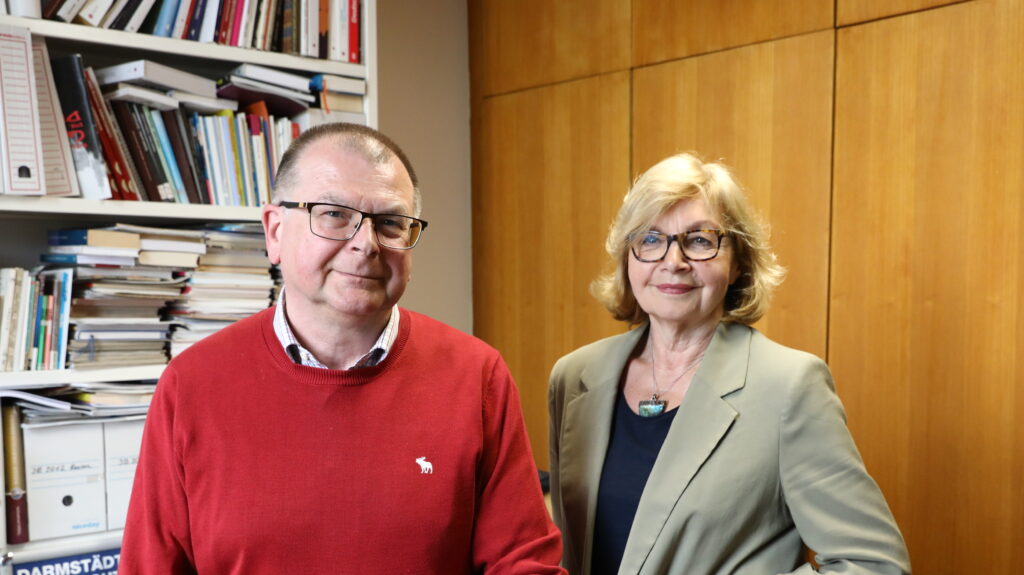
Ela Heller is actually a civil engineer and came to Germany from Poland in 1990. She has been the director of the German-Polish cultural association Salonik in Darmstadt for more than 16 years.
Andrzej Kaluza studied German and Dutch philology in Wrocław, completed a teacher training program in Frankfurt am Main, and earned a doctorate in political science. He is the head of press and public relations at the German-Polish Institute in Darmstadt.
www.deutsches-polen-institut.de