
Commemorative event on November 9th with a silent march and wreath-laying ceremony at the former synagogue
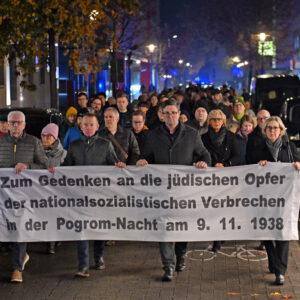
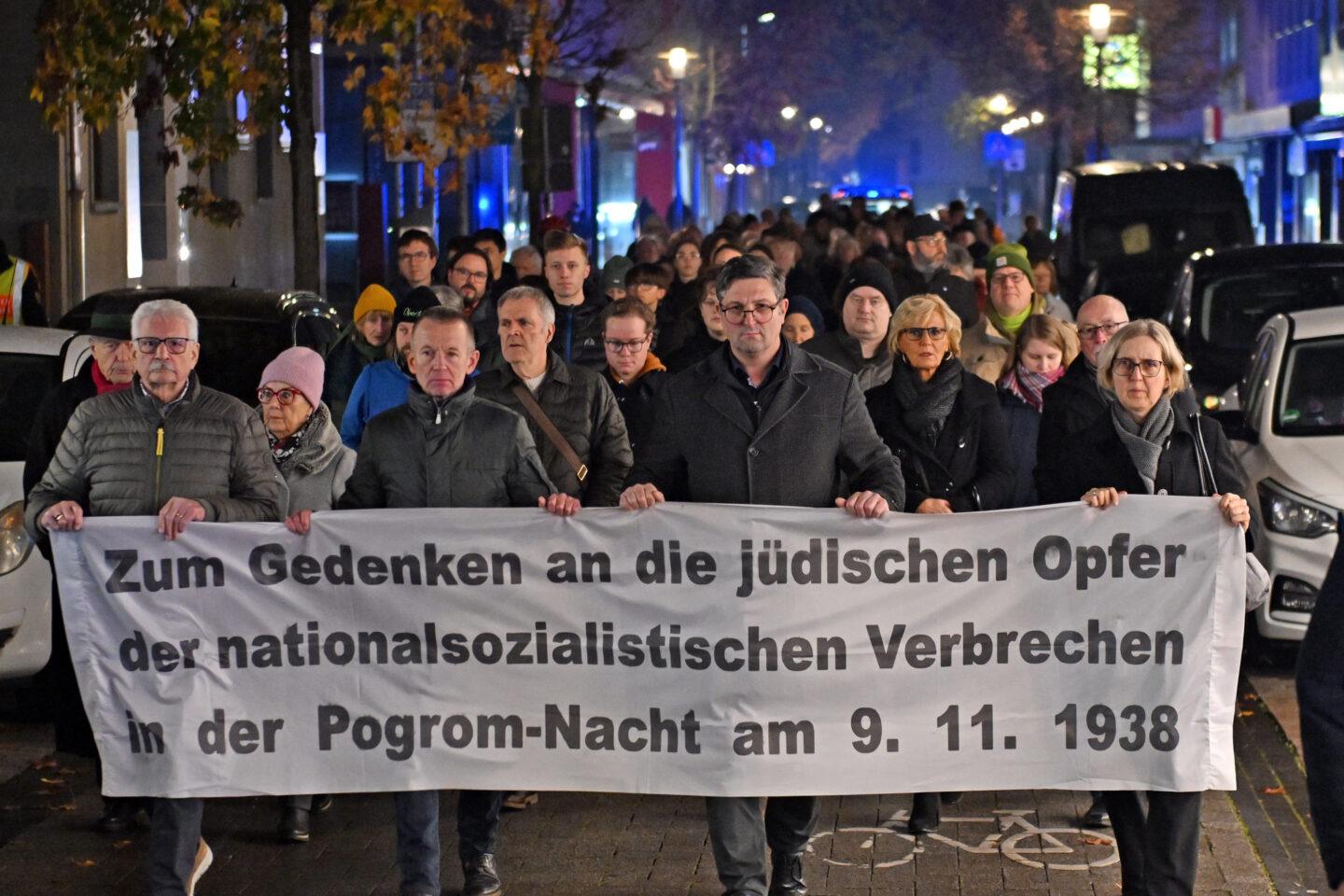
With a silent march, speeches, and a wreath-laying ceremony, the town of Groß-Gerau will commemorate the victims of the Nazi pogrom of 1938 on Monday, November 9, 2026. The memorial event begins at 6:00 p.m. in front of the town museum and proceeds to the memorial site of the former synagogue on Adolf-Göbel-Straße. Together with the local churches, the town invites all citizens to remember the persecution of the Jewish population and to take a stand against antisemitism, xenophobia, and right-wing extremism.
The event focuses on both the historical events in Groß-Gerau and the responsibility that arises from remembrance for the present.
Silent march to the former synagogue
The memorial event begins in front of the Groß-Gerau City Museum. From there, the participants will proceed in a silent march to the memorial site of the former synagogue on Adolf-Göbel-Straße.
Several speeches are scheduled at the memorial. Speakers will include Mayor Jörg Rüddenklau, Elma Weyerhäuser from the "Grandmothers Against the Right Groß-Gerau" initiative, and Imam Ferhad Ghaffar from the Ahmadiyya Muslim Jamaat.
Students from the Prälat-Diehl-Schule are participating by reading aloud eyewitness accounts. This is intended to recall the events of that time and the experiences of those affected.
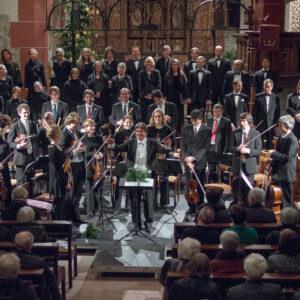
The trombone choir of the Protestant city church congregation will provide the musical accompaniment.
Finally, Mayor Jörg Rüddenklau and Pastor Josephine Haas of the Protestant city church community jointly lay a wreath.
The synagogue in Groß-Gerau was destroyed in 1938
The pogrom night of November 9th to 10th, 1938 left deep scars in Groß-Gerau as well.
That night, the synagogue of the Jewish community was destroyed. The house of worship had only been consecrated in 1892 and had therefore existed for less than five decades.
However, the violence was not only directed against the religious center of the Jewish community. The homes of Jewish citizens were also vandalized and looted.
The attacks were part of the nationwide Nazi campaign of violence against the Jewish population. Throughout Germany, more than 1,400 synagogues and prayer rooms, as well as approximately 7,500 shops and homes, were destroyed. Jewish cemeteries and other institutions were also desecrated.
Jewish men were deported to Buchenwald
The persecution of the Jewish population in Groß-Gerau continued in the days following Kristallnacht.
On November 11 and 12, 1938, Jewish men from Groß-Gerau were arrested and taken to the mayor's office. The National Socialists referred to these arbitrary arrests as "protective custody".
There, the men were humiliated. Twelve of those arrested were subsequently forced to perform so-called gymnastic exercises in the marketplace.
Afterwards, they were loaded onto trucks and deported to the Buchenwald concentration camp.
These events illustrate how Nazi persecution became publicly visible in Groß-Gerau and was accompanied by systematic humiliation, violence and disenfranchisement.
Kristallnacht was not a spontaneous escalation of violence
The National Socialists at the time tried to portray the attacks as an expression of supposedly spontaneous popular anger.
The assassination of the German diplomat Ernst Eduard vom Rath in Paris served as a pretext.
This account is historically refuted. The acts of violence were instigated and supported by the Nazi leadership. SA members and other participants attacked Jewish people, businesses, and institutions.
Police and fire departments often did not intervene. In the case of burning synagogues, the fire department frequently limited itself to protecting neighboring buildings from the flames spreading.
The Kristallnacht pogrom marked a further escalation of Nazi persecution of Jews and made the state-tolerated and organized violence against the Jewish population impossible to ignore.
Mayor Rüddenklau urges tolerance and respect
For Groß-Gerau's mayor Jörg Rüddenklau, remembering Kristallnacht is not only a look at the past, but also an obligation for the present.
"The Kristallnacht pogrom of 1938 is a dark chapter in our history. The memory of it must be preserved and we will continue to take a firm stand against hatred and prejudice," explains Rüddenklau.
It is not simply about commemorating the victims. Rather, the events of that time must be understood as a warning to stand up against misanthropy and exclusion today.
"Let us stand together for a society characterized by tolerance, diversity and respect!" appeals the mayor.
With this commemorative event, the district town of Groß-Gerau, together with the church communities and other participants, wants to send a message in support of an open and democratic society.
The most important data
What: Commemorative event for the Kristallnacht pogrom of November 9, 1938
When: Monday, November 9, 2026
Start time: 6 p.m
Meeting point: In front of the Groß-Gerau City Museum
Memorial site: Former synagogue, Adolf-Göbel-Straße, Groß-Gerau
Schedule: Silent march, speeches, eyewitness accounts and wreath-laying ceremony
Speakers: Mayor Jörg Rüddenklau, Elma Weyerhäuser and Imam Ferhad Ghaffar
Other participants: students of the Prälat-Diehl-Schule, trombone choir of the Protestant city church congregation and Pastor Josephine Haas
Organizer: The town of Groß-Gerau in cooperation with the church communities
Participation: All citizens are invited
(GROSS-GERAU – RED/PSGG)
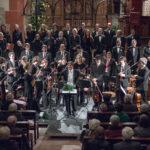
Featured image: A silent march and memorial service at the site of the former Groß-Gerau synagogue on Adolf-Göbel-Straße will commemorate the Kristallnacht pogrom of 1938 on Monday, November 9, 2026. The photograph was taken last year. Photo: City of Groß-Gerau/Gerd Keim