

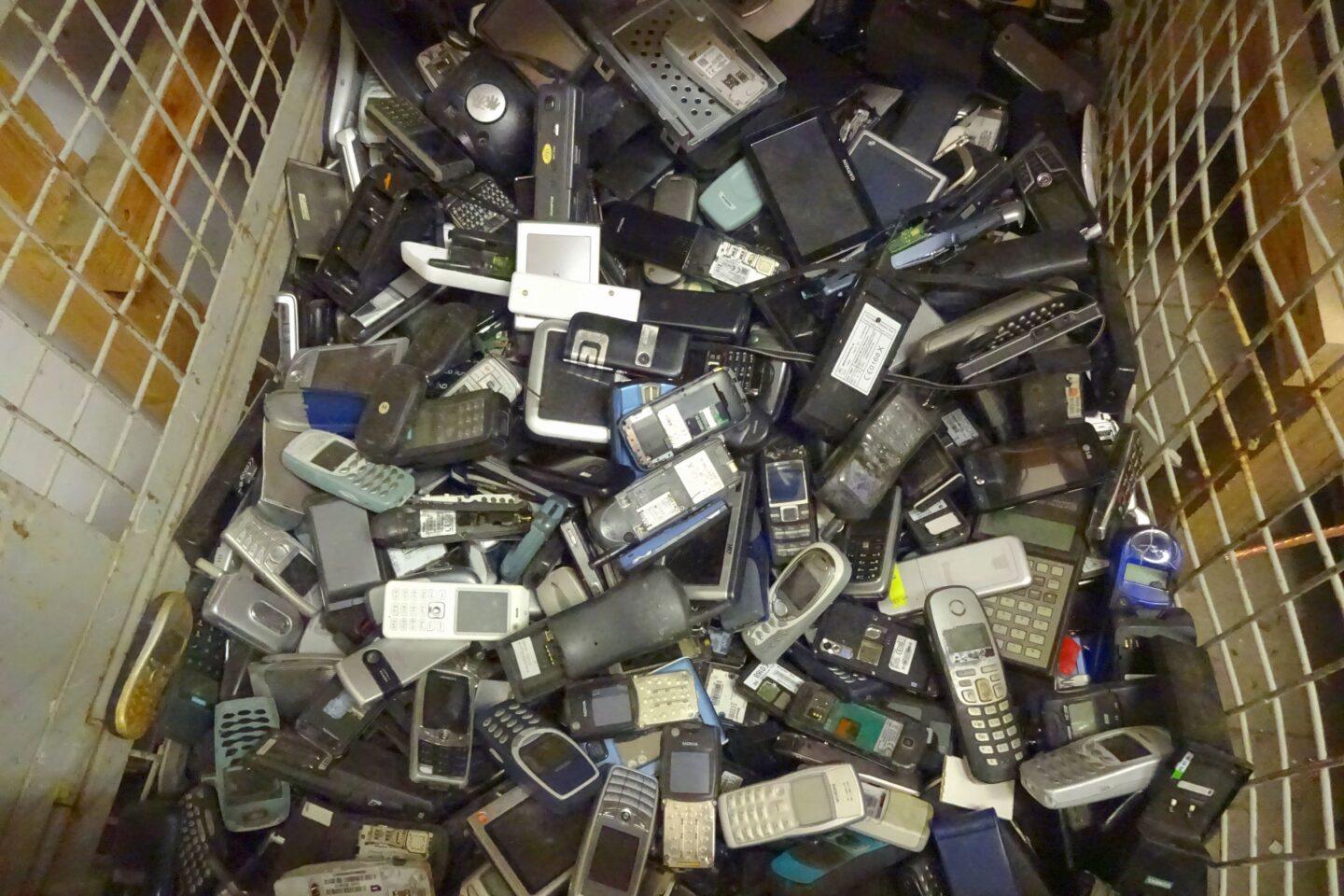
To mark International E-Waste Day on October 14th, the Darmstadt Regional Council is providing information about free return options
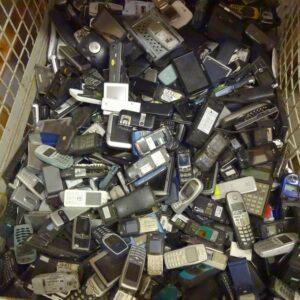
Whether it's a smartphone, washing machine, or refrigerator: discarded electrical appliances shouldn't simply end up in the household waste. On International E-Waste Day, Wednesday, October 14, 2026, the Darmstadt Regional Council (RP Darmstadt) is providing information on how old electrical appliances can be disposed of free of charge and in an environmentally friendly manner.
Many devices contain valuable raw materials that can be recovered through proper recycling. At the same time, electronic components can contain pollutants that can harm the environment if disposed of improperly.
Free returns at recycling centers
Private individuals and small businesses can dispose of waste electrical and electronic equipment (WEEE) free of charge in household quantities of up to five items per type. This is based on the Electrical and Electronic Equipment Act (ElektroG).

One option is to use municipal recycling centers and collection points operated by public waste management authorities. There, the devices are collected separately and then professionally processed.
Citizens can find out which electrical appliances are accepted and whether additional collection services are available from their city, municipality or district.
Shops must also take back electrical appliances
In addition to municipal collection points, retailers are also obligated to take back used items under certain conditions.
Stores with a sales area of at least 400 square meters for electrical appliances must accept small, used electrical appliances with an edge length of no more than 25 centimeters free of charge. This applies to up to five appliances, even if no new product is purchased.
For larger electrical appliances, there is generally an obligation to take them back if a new device with the same function is purchased at the same time.
Even when delivering a new electrical appliance, the retailer may be legally obligated to take back the corresponding old appliance. For example, anyone ordering a new washing machine or refrigerator should indicate their wish to return the old appliance at the time of purchase.
Which devices belong to electronic waste?
The Electrical and Electronic Equipment Act covers numerous everyday items. These include not only classic household appliances but also computers, monitors, lamps, and photovoltaic modules.
Even furniture can be classified as waste electrical and electronic equipment (WEEE) if it contains electrical components. Examples include electrically adjustable armchairs or furniture with integrated lighting.
Power supplies, circuit boards and hard drives must also be disposed of properly.
At municipal collection points, the collection is usually carried out separately according to six device groups: heat exchangers, screens and monitors, lamps, large appliances, small appliances and photovoltaic modules.
Not every collection point is required to accept all types of equipment. However, the responsible districts and independent cities must ensure that appropriate return options exist throughout the entire disposal area.
Electronic waste does not belong in the regular trash
Electrical appliances must not be disposed of in the regular trash. This is indicated by the crossed-out trash can symbol found on the respective appliances.
The regional government also warns against handing over the devices to so-called itinerant traders, such as scrap metal collectors who are not authorized to collect them. Such collections are not permitted. Furthermore, there is no guarantee that the devices will subsequently be disposed of in an environmentally sound manner.
Recycling conserves raw materials and protects the environment
Waste electrical and electronic equipment (WEEE) contains various materials, including metals and other recyclable raw materials. Through proper dismantling and separate processing, these materials can be recovered and reused.
At the same time, environmentally hazardous components are selectively removed. Legal recycling quotas are intended to ensure that as many materials as possible are reused or recycled and that pollutants do not enter the raw material cycle.
International E-Waste Day takes place every year on October 14th. It aims to raise global awareness of the importance of responsible collection and disposal of electronic devices.
The most important information
- Occasion: International E-Waste Day on October 14th
- Cost: Free return of old electrical appliances in household quantities
- Municipal collection points: Recycling centers and collection points of cities, towns and districts
- Returns to retailers: Small devices up to 25 centimeters edge length can be returned under the aforementioned conditions even without a new purchase
- Larger devices: Returns are generally accepted when purchasing a corresponding new device
- Important: Electrical appliances do not belong in the general waste
- Local collection points: Information available from the respective city, municipality or district
- Further information: Darmstadt Regional Council – Circular Economy
(DARMSTADT – RED/RPDA)
Featured image: Refrigerator, washing machine or smartphone: The Darmstadt Regional Council (RP Darmstadt) provides information on how old electrical appliances can be disposed of free of charge and in an environmentally friendly manner. (© RPDA)