
Damaged horse chestnut trees are to be protected through targeted measures
The trees in Darmstadt's Orangerie Garden have been increasingly damaged for years. To investigate the causes more precisely and to improve the long-term growing conditions for the trees, the City of Darmstadt is currently conducting extensive soil analyses. The results will serve as the basis for targeted measures to preserve the historic garden.
The horse chestnut trees, which make up a significant portion of the tree population in the orangery, are particularly affected. Their health has deteriorated steadily in recent years. As a result, trees have repeatedly had to be felled and replaced with new plantings.
Fungal diseases, weather conditions, and dog urine are putting a strain on the trees
The causes for the damage to the trees are manifold. According to the city, several pathogens that have been detected in the park are playing a role.

These include the honey fungus (Armillaria), Verticillium and Phytophthora, as well as the bacterial pathogen Pseudomonas syringae pv. aesculi, which causes the so-called horse chestnut blight.
In addition to these pathogens, adverse weather conditions are also affecting the health of the trees. According to the city, the heavy contamination from dog urine is also contributing to the problems.
The interaction of these factors leads to the trees increasingly losing vitality and, in the long term, being at risk of extinction.
Soil investigations are intended to clarify the causes more precisely
The city aims to systematically record the soil conditions in the Orangerie garden with the current investigations.
This includes examining the supply of nutrients and trace elements as well as the physical properties of the soil.
Particular attention is paid to the air and water storage capacity. In addition, the degree of compaction and the soil structure are analyzed.
These properties are crucial for how well the roots can be supplied with water, oxygen and nutrients.
The investigations are being carried out by an external consulting firm, supported by municipal experts.
Targeted measures planned to save the horse chestnut trees
Based on the results of the investigation, concrete measures to improve the site conditions will be developed.
This includes the revitalization of existing mature trees. Soil preparation and the future design of the planting pits are also being examined.
When replacement plantings are necessary, particular attention should be paid to the technical equipment of the planting pits in order to offer the new trees the best possible growing conditions.
Another focus is irrigation management. The city intends to use the findings to examine how the water supply to the trees can be improved in the long term.
The specific measures to be implemented will only be decided after the investigations have been evaluated.
Preserve the historical appearance of the orangery
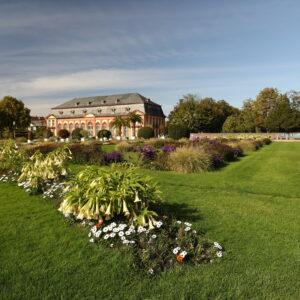
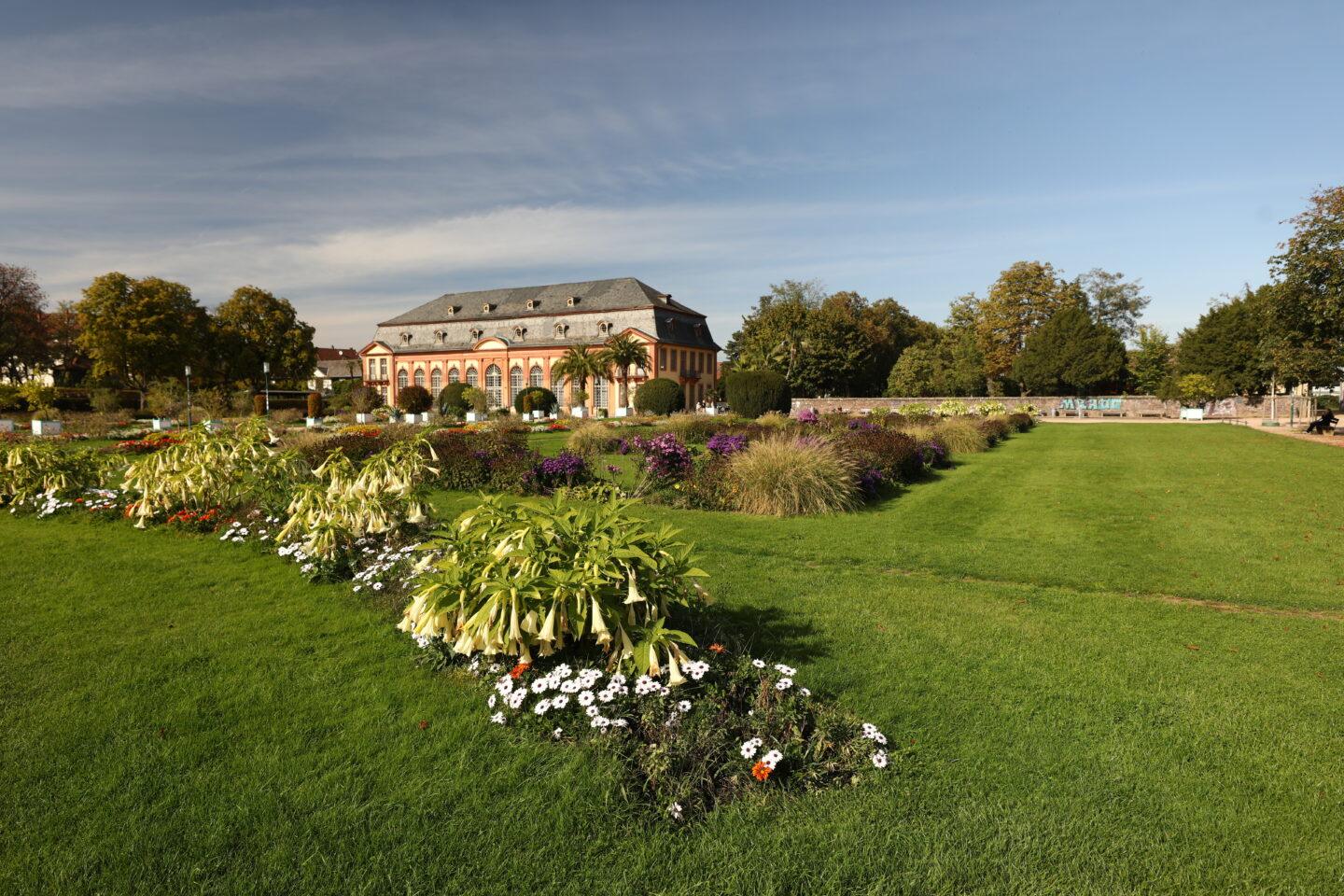
The Orangery Garden is one of Darmstadt's characteristic historical green spaces. Its appearance is largely defined by the existing trees.
The planned measures are therefore intended not only to improve the health of individual trees, but also to help preserve the special character of the baroque garden.
The aim is to permanently improve site conditions, limit further damage as much as possible, and preserve the tree population in the long term.
Further information on tree protection in the Orangerie is available from the City of Darmstadt at www.darmstadt.de
(DARMSTADT – RED/PSD/stip)