
For 30 years, the Darmstadt food bank has been helping people in difficult life situations
Early in the morning, the Darmstadt food bank is a hive of activity. Crates are being sorted, vegetables cleaned, bread distributed, and lunch prepared. Volunteers in aprons chop salad, drivers load vehicles, and the first guests arrive. It's a place where every effort counts – and where far more happens than simply distributing food.
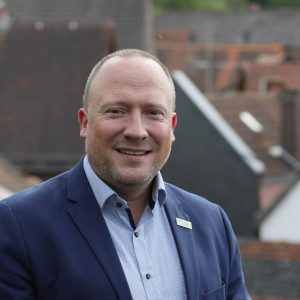
The Darmstadt food bank has been operating for around 30 years, making it one of the oldest food banks in Hesse. The basic idea remains the same: to rescue surplus food and help people. "The idea is quite simple: to rescue food and help people. That's our main task," says business manager Roman Zarenkow, who has been running the organization for ten years.
What sounds simple requires enormous organization in everyday life. Food is distributed from Monday to Saturday, and lunch is also provided from Monday to Friday. Around 1,300 families from Darmstadt and the surrounding area are currently being supported – and the number is rising. Eligibility is verified, as capacity is limited. "We can't help everyone," Zarenkow says frankly. Especially in a city like Darmstadt with its large student population, they quickly reach their limits.
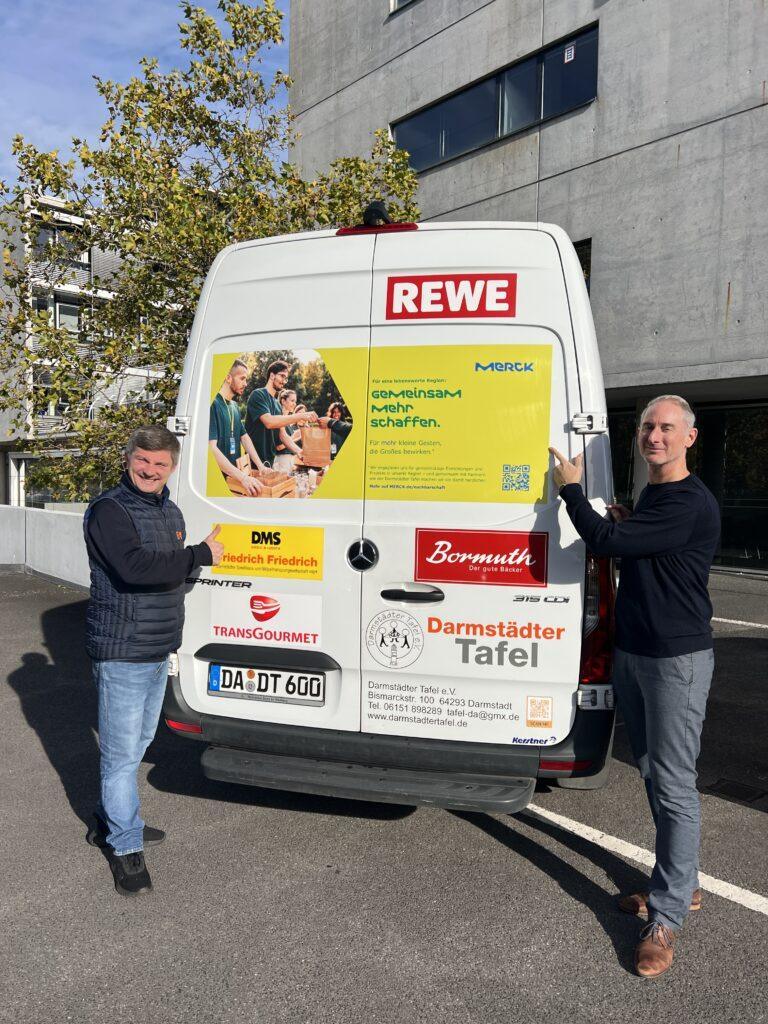
But anyone who visits the food bank quickly realizes: it's about much more than just food
Many visitors also come for the sense of community. Older people, in particular, seek contact, conversation, or simply companionship. "Local people tell me: It's not poverty that's destroying us, but loneliness," Zarenkow explains. This sentiment is echoed several times in the conversation – demonstrating just how important the social function of the food bank has become.
A shared lunch, help with filling out official letters, or simply a listening ear: For many, the food bank is a regular point of contact in their daily lives. "It's very important to have a listening ear for people so they can unburden themselves of their worries," says Zarenkow.
The dedication behind the scenes is also impressive. Around 140 employees and helpers are now part of the team – most of them volunteers. Many of them are retirees who not only help out but also find structure and purpose here. "The retirees have the most fun and the most time. They simply want to give something back," says Zarenkow. Some come regularly just to chop vegetables or help in the kitchen. The result: creative dishes and a lunch menu that goes far beyond a simple soup.
Zarenkow is particularly proud of his team's cohesion. They have overcome crises like the coronavirus pandemic, rising living costs, and growing demand together. "Summer, cold, snow, wasps – nothing can break us," he says with a laugh.
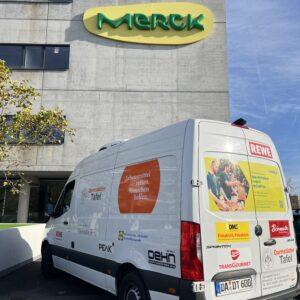
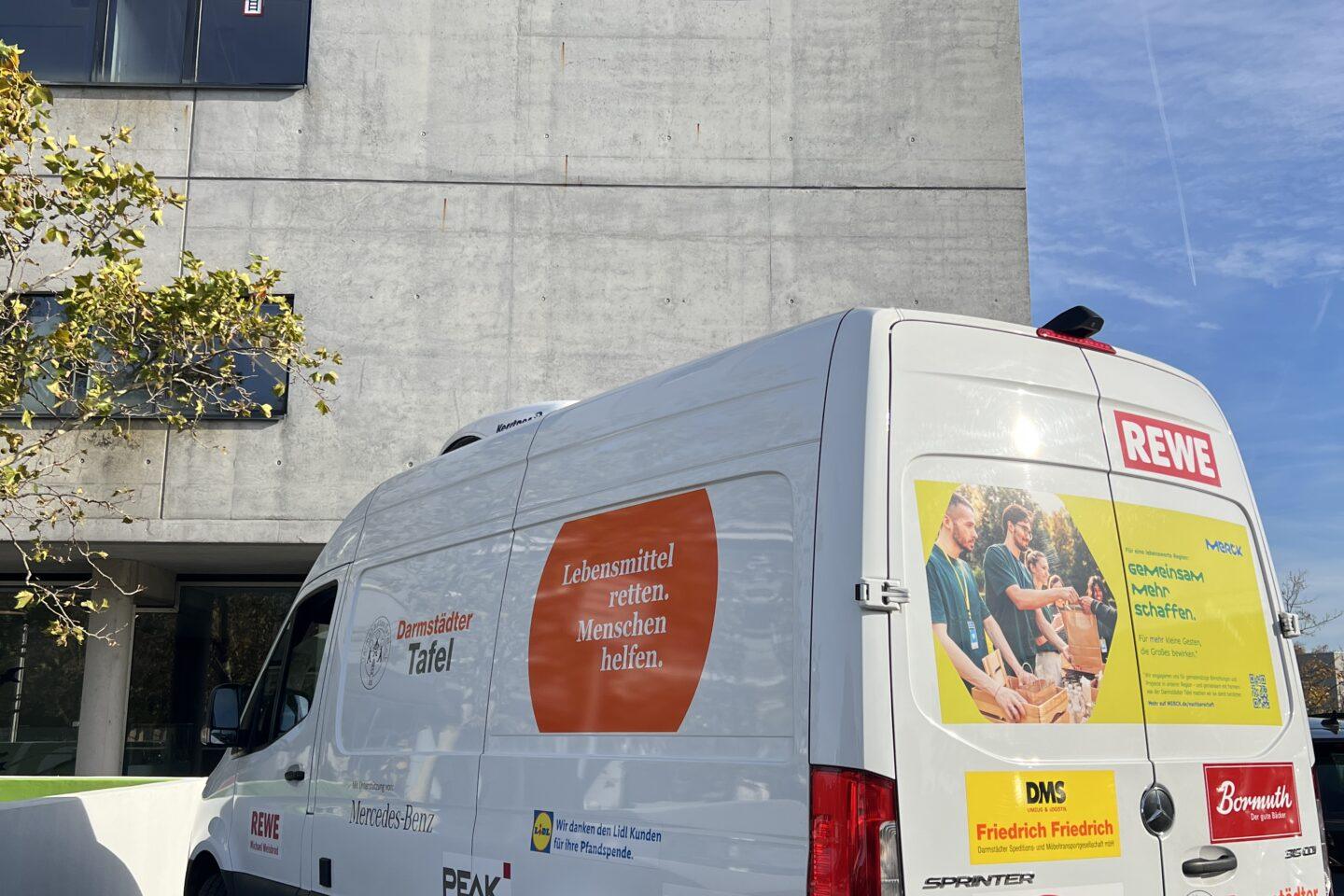
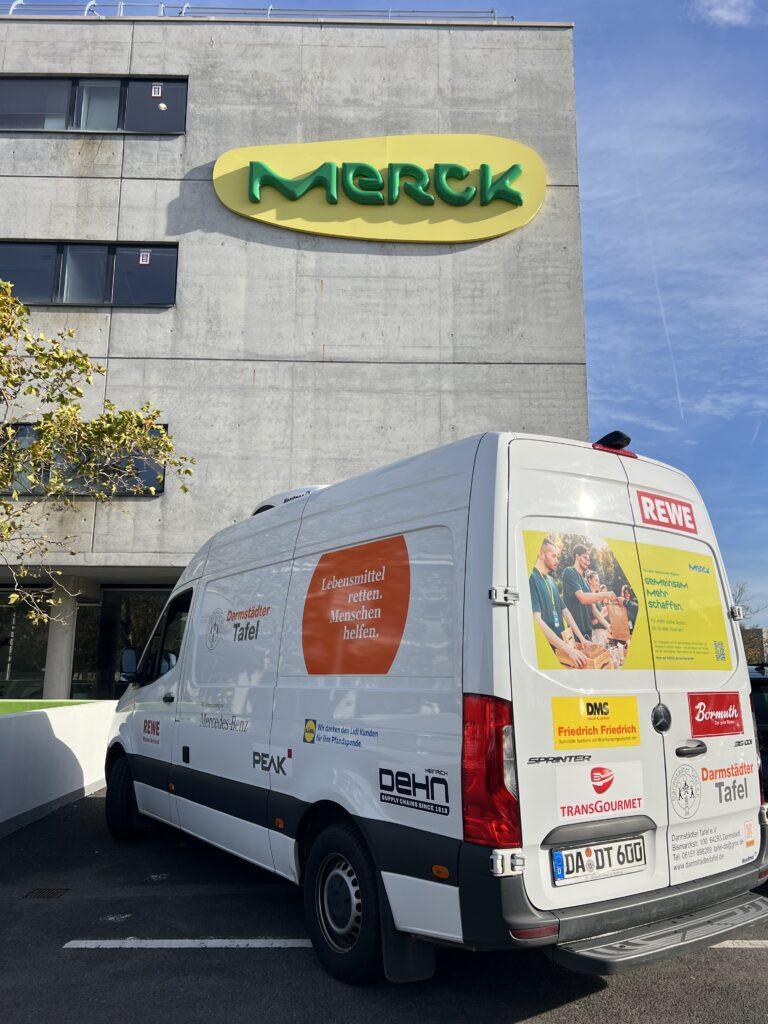
The food bank also receives support from companies. For three decades, the Darmstadt-based company Merck has played a key role, delivering soup daily for the food bank's lunch service. This amounts to 5,000 liters of soup per year, freshly prepared daily by the cooks of Merck's factory canteen. Merck's social sponsorship of the Darmstadt food bank is thus one of its major commitments to the Darmstadt community. "Without Merck, it would be very, very difficult for us," emphasizes Zarenkow.
Despite the strong foundation, the need remains high – especially for drivers to collect and transport food donations. Because nothing works without logistics.
Anyone who walks through the premises of the Darmstadt food bank quickly understands: This place is not just a distribution point for the needy. It is a meeting place, a support center, a community lunch program, a platform for volunteers, and sometimes even a little piece of home.
Or, as Roman Zarenkow puts it: “Our doors are open – for getting a taste of things, getting to know us, or for voluntary support. We are open to everything.”
Especially in times of growing social uncertainty, the Darmstadt food bank demonstrates what concrete help on the ground can look like: pragmatic, humane and with an astonishing amount of passion.
(RED)
Featured image: DA board
Liveable Darmstadt
powered by MerckClubs and associations are the heart of a community. They foster social integration and bring people together. They enrich local life through cultural and sporting activities, offer educational opportunities, and are involved in social projects. In short: they make a city like Darmstadt a great place to live.
But this costs money. Membership fees aren't always enough. In this series, we present selected Darmstadt clubs and associations that are supported by Merck – be it in sports, culture, community service, or science education.
Each of these clubs has a unique story and contributes to strengthening the community in its own way. We asked the organizers what makes their club special and how the partnership with Merck not only provides financial support but also fosters growth and development.
Learn more about the diverse club and association scene in Darmstadt and how Merck and its partners are achieving more together – for a region worth living in.