


Environmental agency warns of spread and provides advice on how to combat it
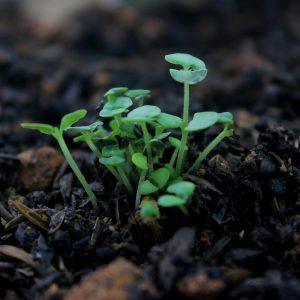
The science city of Darmstadt recommends consistently removing young tree of heaven plants. The aim is to curb the further spread of this invasive plant species at an early stage.
Rapid spread with consequences
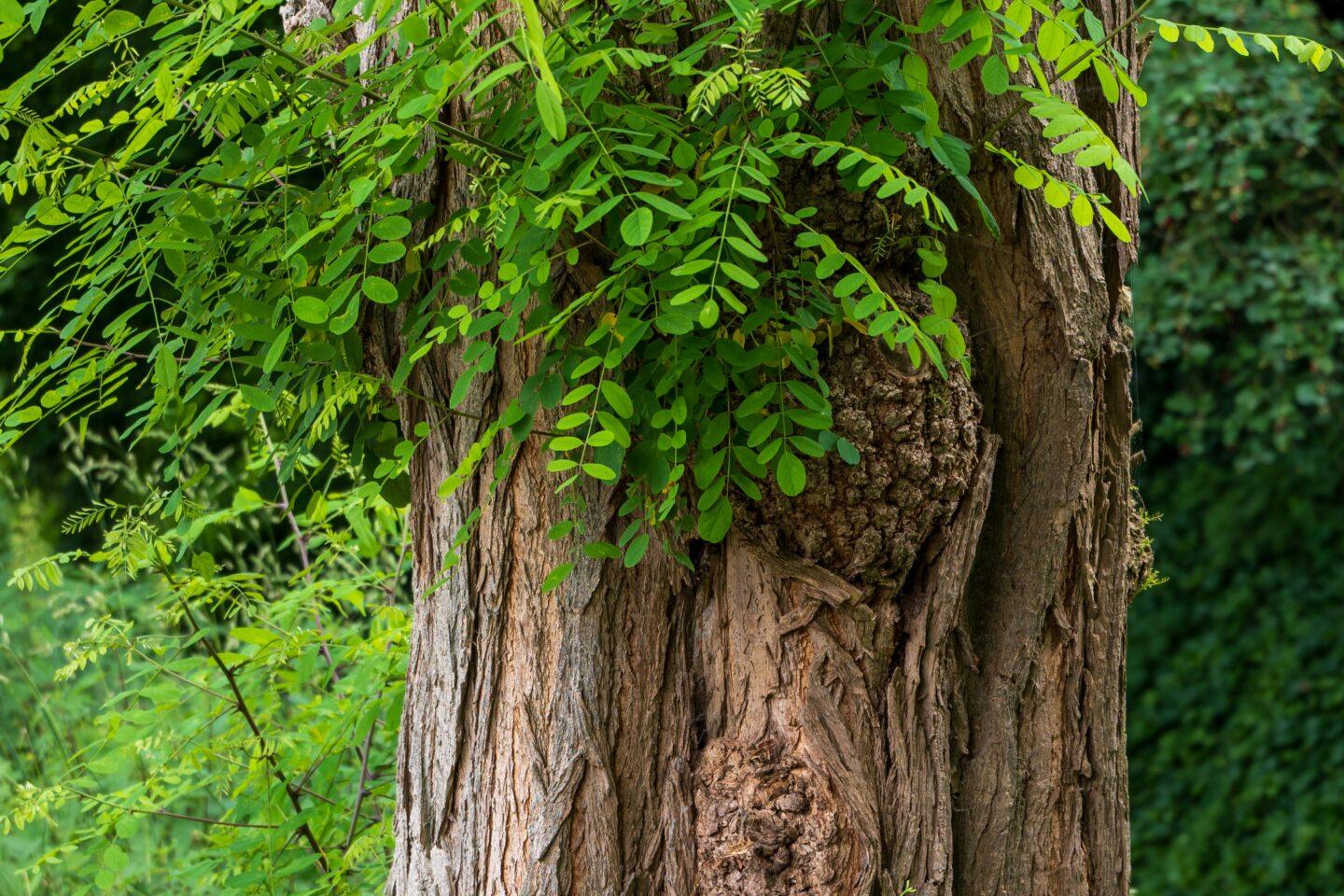
The tree of heaven, which originates in Asia, spreads rapidly both via seeds and root suckers. This allows it to invade sensitive habitats such as orchards or nature reserves and displace native plants.
This species also causes problems in built-up areas: its strong roots can damage paths, walls and asphalt.

Climate change favors growth
Due to its high adaptability, the tree of heaven copes well with heat, drought, and depleted soils. While older trees should sometimes be preserved, saplings should be selectively removed.
Environmental officer Michael Kolmer points out that young plants are currently easy to spot, as they sprout later than many native species.
Instructions for correct removal
Several points must be considered when combating it:
- Remove young plants completely, including their roots, if possible
- Avoid cutting the hairs off alone, as this encourages new growth
- For larger young trees, the "girdling" method can be used
- Conduct regular follow-up checks
Furthermore, trees with a trunk circumference above a certain threshold are subject to tree protection regulations and may only be removed with permission.
Take care when disposing of and handling
Seeds and plant parts should not be disposed of in the organic waste bin, as they remain viable. Furthermore, the plant sap can cause skin irritation, so protective clothing is recommended.
(DARMSTADT – RED/PSD/stip)