
Investigations following the fire at GSI in Darmstadt have been concluded
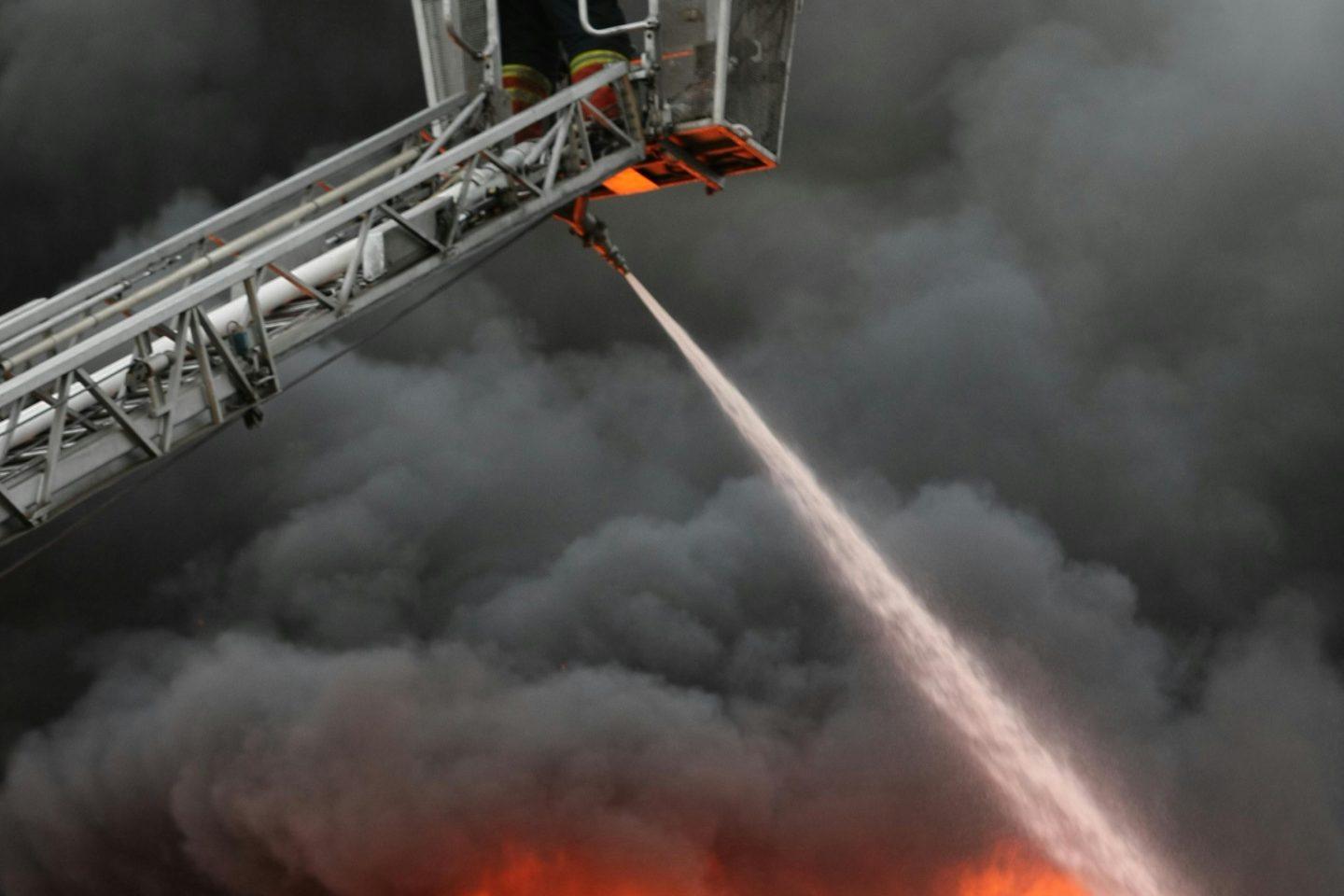
Following the fire in the high-voltage electrical supply area of the UNILAC linear accelerator in early February 2026, the investigation into the cause has been completed. As the GSI Helmholtz Centre for Heavy Ion Research reports, the Hessian State Criminal Police Office confirmed a technical defect within a control cabinet as the likely cause of the fire.
Investigations at the scene of the fire have been completed
In recent weeks, the investigating authorities conducted extensive investigations at the scene of the fire. This included removing damaged technical equipment as well as individual roof and building components in order to fully document the extent of the damage.
With the conclusion of the police investigation, further cleanup and repair work can now begin.

Research operations partially possible again
In adjacent areas of the GSI Helmholtz Centre for Heavy Ion Research, cleaning and restoration work was carried out shortly after the fire. Most of the affected rooms can now be used again.
According to GSI, restoring the damaged infrastructure is a top priority. However, due to the extensive damage, complete repairs will take considerable time. Therefore, the research center is currently working on alternative technical solutions to ensure the continuation of scientific operations and the phased commissioning of FAIR.
PHELIX and CRYRING not affected
The fire affected only the high-voltage power supply of UNILAC. Other areas of the campus remained undamaged, including the PHELIX high-power laser and the CRYRING storage ring.
Experiments at PHELIX can therefore continue as planned. Research operations at CRYRING are also scheduled to resume in September 2026.
Work on FAIR continues
According to GSI, installation and commissioning work at the FAIR construction site is continuing as planned. Technical alternatives are currently being developed for the later use of the GSI plant as an injector for FAIR.
(DARMSTADT – RED/GSI)