
Observation, prevention, and hunting are intended to reduce conflicts between humans and animals
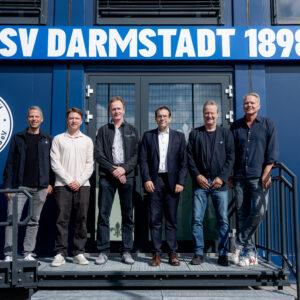
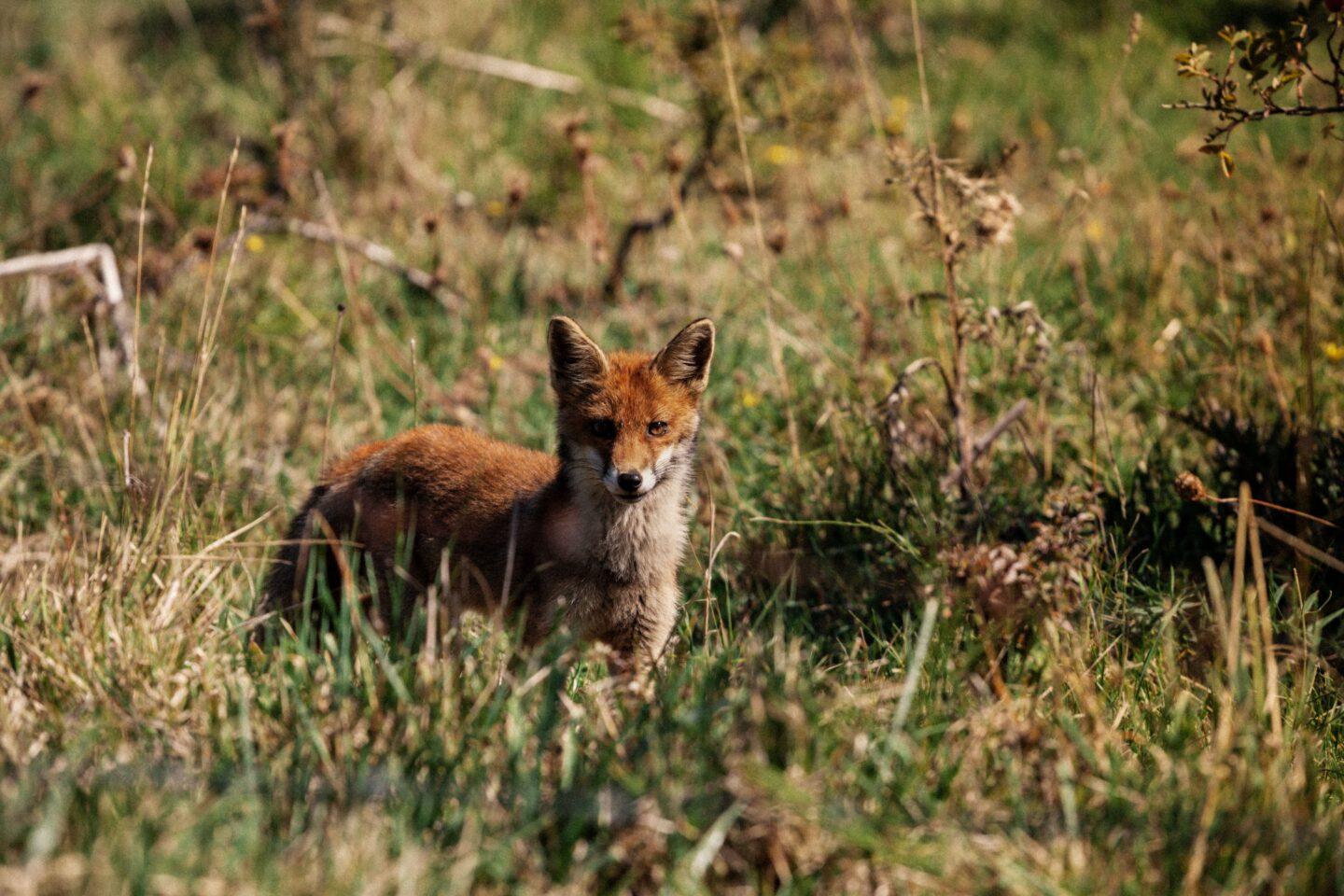
Foxes, raccoons, wild boars, geese, and coypus are now part of Darmstadt's cityscape. The city of science is therefore relying on comprehensive wildlife management to prevent conflicts between humans and animals as much as possible. The goal is not a wildlife-free city, but rather a responsible coexistence, emphasizes Michael Kolmer,.
“Our goal is not a wildlife-free Darmstadt, but a responsible coexistence. Through long-term planning, interdepartmental cooperation and sustainable measures, we protect both the quality of life of the citizens and the animals,” explains Kolmer.
Cities offer ideal living conditions for wildlife: bodies of water provide water, green spaces offer food and shelter, and mild winters, as well as frequently discarded food or deliberate feeding, contribute to many animals losing their natural fear of humans and becoming permanent residents in parks or near bodies of water.
Steinbrücker Pond as current focus
The problem is particularly evident at Steinbrücker Pond. Numerous Egyptian and Canada geese have settled there. Especially in the area of the playground, the animals' droppings are causing significant pollution. Regular cleanings provide temporary relief, but according to the city, they do not solve the problem permanently.
Egyptian geese and coypus are among the invasive species, while Canada geese are considered potentially invasive. They can negatively impact riverbanks, green spaces, and the habitats of native animal species.
Wildlife officer coordinates measures
A municipal wildlife officer is responsible for wildlife management. This trained wildlife ecologist monitors populations, advises citizens, documents trends, and decides on appropriate measures in conjunction with the relevant authorities.
The responsibilities include, among other things:
- Observation and recording of wildlife populations,
- Advice and prevention measures,
- Deterrent measures and habitat design,
- Capture and hunting measures,
- Searching for injured animals after wildlife accidents,
- Support in preventing African swine fever.
Not every wildlife sighting automatically leads to an intervention. The wildlife officer becomes involved, for example, in cases of injured or sick animals, after wildlife collisions, when there is a danger to people, or when public facilities such as playgrounds or sports fields are permanently and severely affected.
Targeted hunting as part of the concept
If prevention and deterrent measures prove insufficient, the city also resorts to targeted hunting. This is intended to regulate populations and ensure that wild animals keep a greater distance from heavily used areas. According to the city, these operations are carried out under strict safety and animal welfare regulations and outside of normal operating hours.
Hunting is also part of the measures being taken at Steinbrücker Teich. The aim is not to remove all the geese, but to permanently reduce their numbers and thereby lessen the impact on the play and recreation areas.
“Where prevention and deterrence are insufficient, targeted hunting is a necessary tool – always under strict safety and animal welfare regulations. At Steinbrücker Teich, the aim is to permanently reduce the burden of animal droppings on families and at the same time restore the animals' natural distance from humans,” said Kolmer.
The city is also appealing to the public not to feed wild animals and not to leave food scraps in parks or near bodies of water. Reports of injured or sick wild animals, as well as unusual gatherings of animals, can be sent by email to wildtierbeauftragter@darmstadt.de .
(DARMSTADT – RED/PSD/stip)