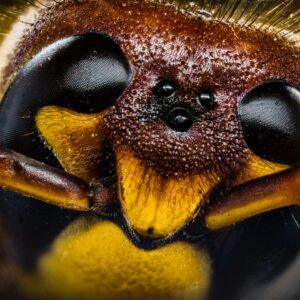


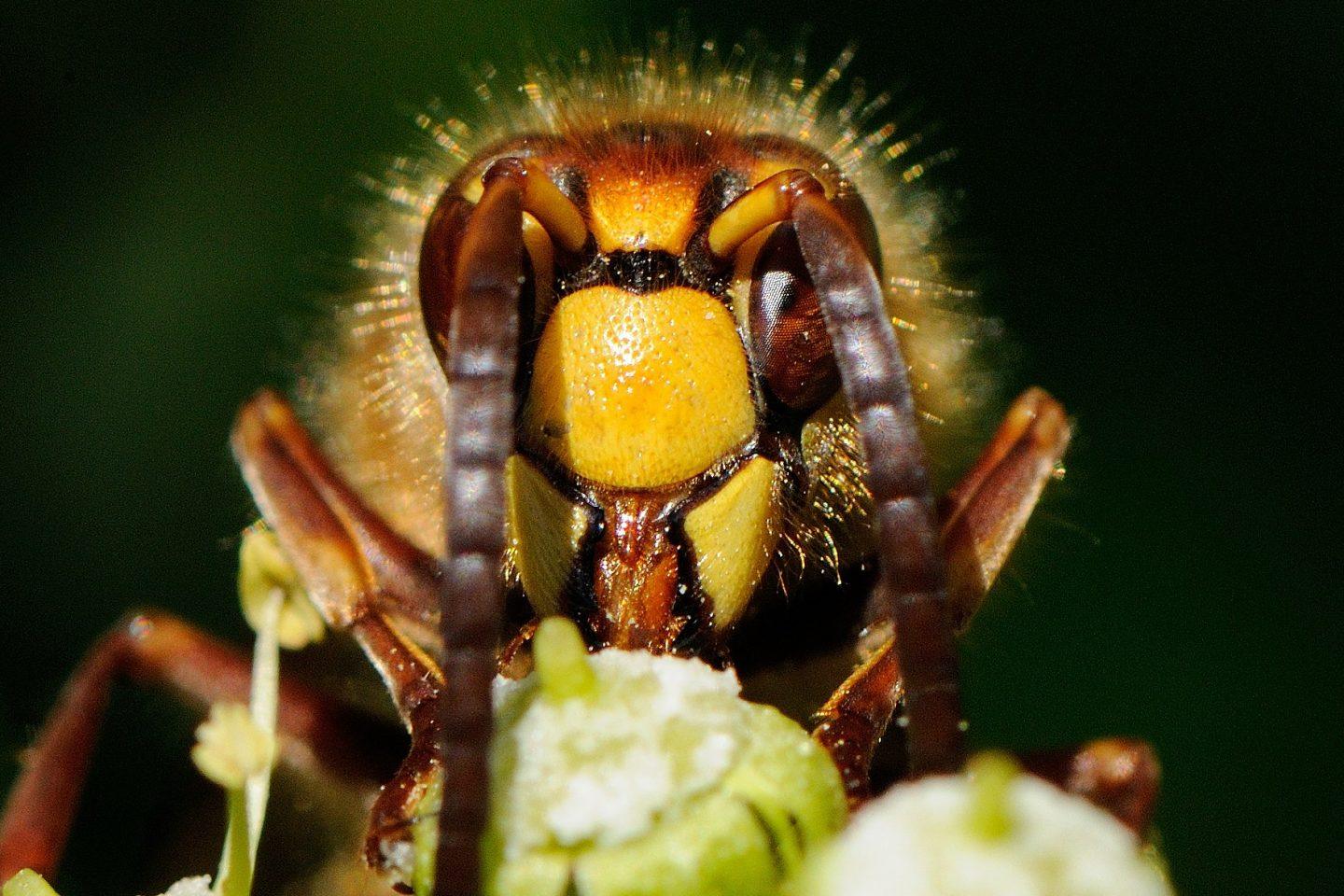

The public should pay particular attention to primary nests in the spring
The Darmstadt authorities are asking residents for their help in observing the Asian hornet. Especially in spring, so-called primary nests are currently easy to spot, as trees and shrubs still have little foliage.
The Asian hornet (Vespa velutina) is an invasive species that originally comes from Asia and has spread rapidly in Hesse in recent years.
Detect nests early
The Lower Nature Conservation Authority recommends paying close attention to potential primary nests in the coming weeks. These can be located, for example, in..

- in sheds or garages
- on garden furniture or garden equipment
- in nesting boxes or bushes
- on building walls
The removal of the nests should only be carried out by professionals.
For humans, usually no more dangerous than native hornets
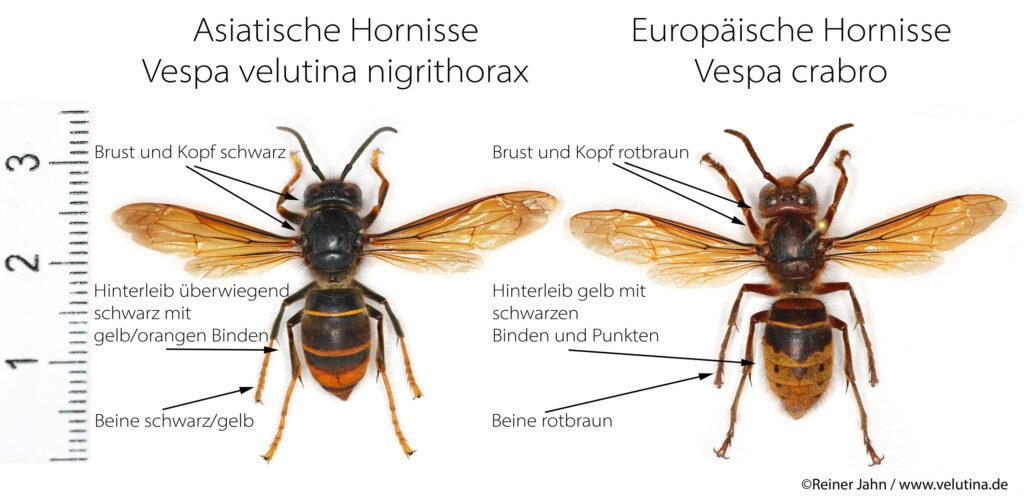
For humans, the Asian hornet is generally no more dangerous than the native European hornet (Vespa crabro) or other wasp and bee species. However, people with insect sting allergies should be especially careful.
The animals will vigorously defend their nest if they feel disturbed. Therefore, it is recommended to keep a sufficient distance and not to touch the nests.
Reports help with containment
Since March 2025, the species has been officially classified as "widespread." Therefore, there is no longer a general obligation to remove nests. On private property, owners must bear any associated costs themselves.
The Hessian State Office for Nature Conservation, Environment and Geology continues to request reports of sightings via the online reporting portal "Hornet".
The city of Darmstadt removes nests on municipal land itself. Information can be reported by email to umweltamt@darmstadt.de or via the environmental hotline 06151 13-3313
The city provides further information online.
(DARMSTADT – RED/PSD/stip)