

A lecture at the State Museum explains world time and future timekeeping on the moon
How is time actually measured – and why does it pass differently on the moon than on Earth? These questions will be addressed in a lecture by the Darmstadt Natural Science Association on Wednesday, September 23, 2026, at the Hessian State Museum in Darmstadt. Dr. Gwendolyn Läufer from the European Space Agency (ESA) will provide insights into modern time systems and the development of a future "lunar time".
The event, titled "When Time Becomes Relative: Why Lunar Clocks Tick Faster," begins at 6 p.m. and lasts until 7:30 p.m. Admission is free.
From universal time UTC to lunar time
The central question is how a globally standardized timekeeping system works. Läufer explains the significance of Coordinated Universal Time (UTC) and the interaction between atomic clocks and navigation satellites.

Darmstadt also plays a role: Dr. Gwendolyn Läufer works in the Navigation Support Office at the European Space Operations Centre (ESOC) of the European Space Agency (ESA). There, she deals with precise time measurement, which is required, among other things, for satellite-based navigation systems.
The presentation also looks beyond Earth. With future missions to the Moon, the question arises of how a separate time system can be defined there. Läufer explains the role the ESA plays in this work and why a precise, common time reference is needed for activities on the Moon.
Event overview
Lecture: "When Time Becomes Relative: Why Lunar Clocks Tick Faster"
Date: Wednesday, September 23, 2026
Time: 6:00 PM to 7:30 PM
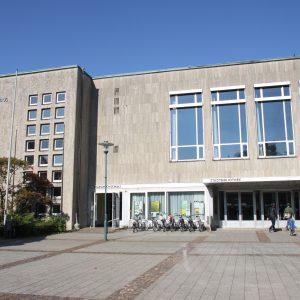
Location: Hessian State Museum Darmstadt, Friedensplatz
Speaker: Dr. Gwendolyn Läufer, ESA/ESOC
Organizer: Darmstadt Natural Science Association
Admission: Free
Further information is available from the Natural Science Association of Darmstadt.
(DARMSTADT – RED/PM)
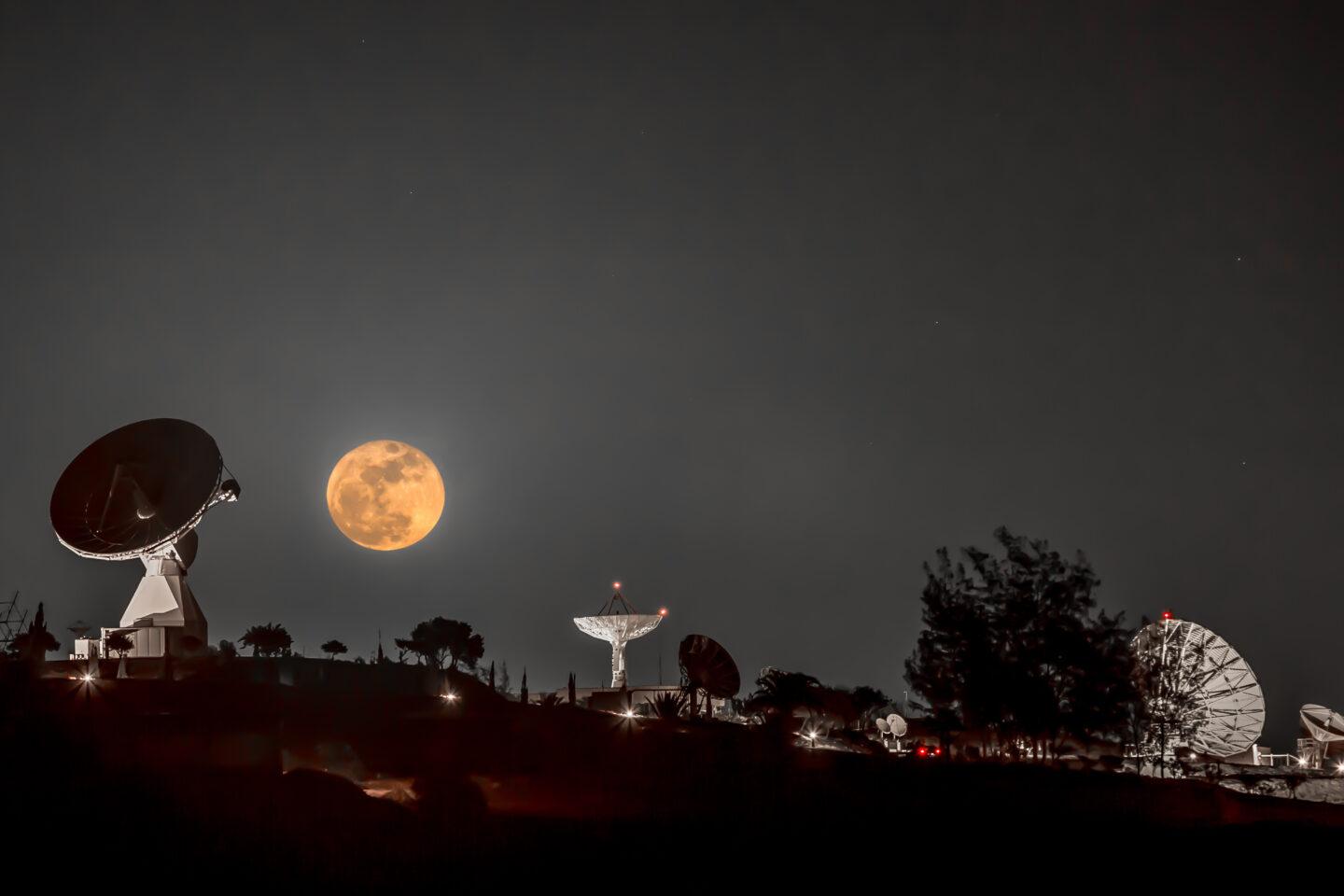
Featured image: Winter Moon, ©ESA – C. Vogl