

Authorities are asking the public for information on problematic species
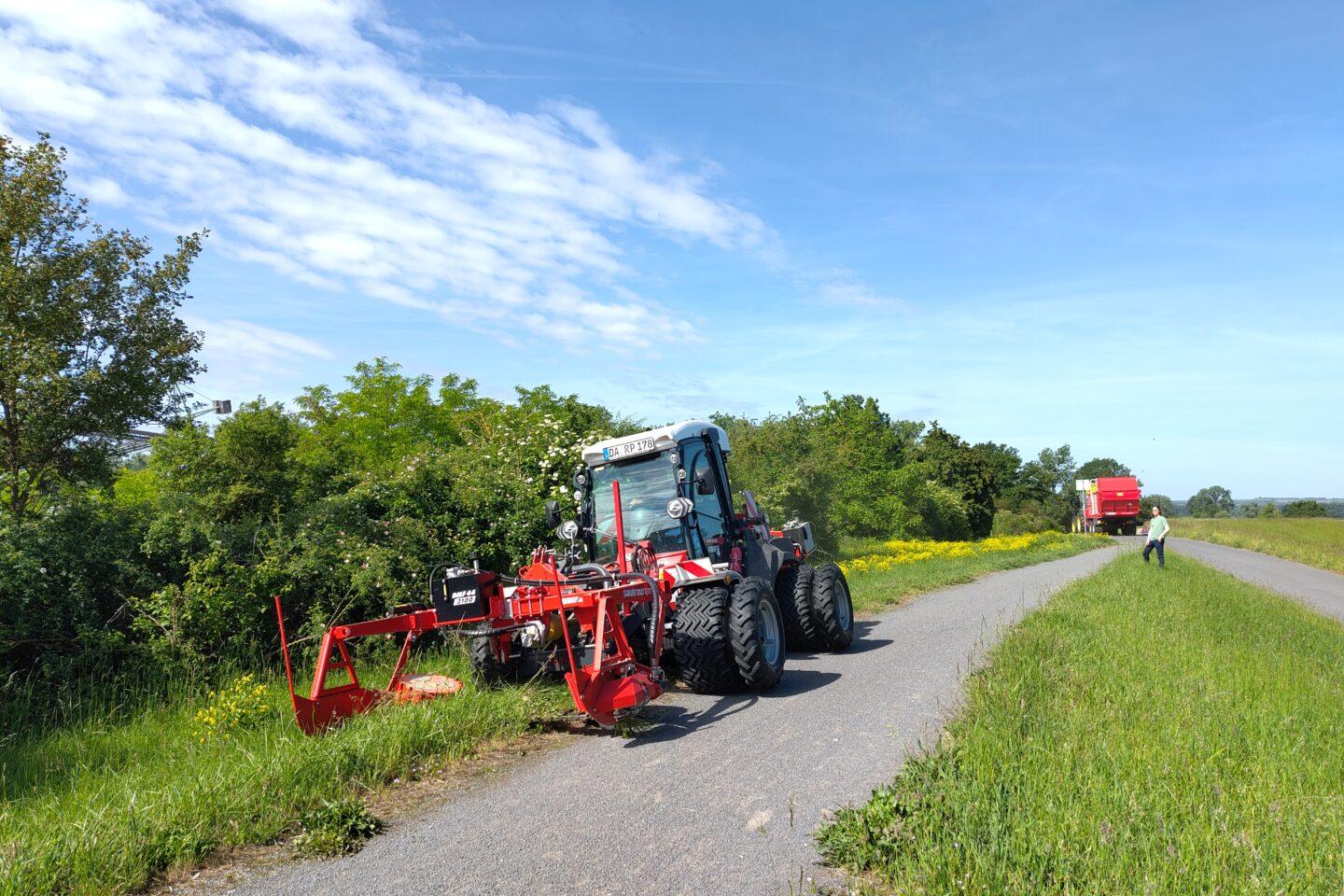
As the Darmstadt Regional Council reports, the so-called smooth cinquefoil was combated on Thursday on a dike near Leeheim and Erfelden. The invasive plant species had already spread extensively there.
To contain its further spread, the dike management, together with the higher nature conservation authority, adjusted the existing mowing plan. Normally, the affected sections of the dike are not mowed until mid-June.
Protecting biodiverse dikes despite invasive plants
Since 2019, the State Water Management Authority and the Higher Nature Conservation Authority have been collaborating on the "Flowering Dikes" project. The aim is to make the dikes both safe and biodiverse.

One method used for this is a so-called staggered mowing. Individual sections are mowed at different times to give rare plants a better chance of survival and to preserve flowering areas for as long as possible.
However, invasive or problematic species repeatedly appear. These include, besides the smooth ragwort, the poisonous ragwort, Japanese knotweed, and giant hogweed.
RP requests early notifications
“We are always grateful for information on the occurrence of invasive plant species on the dikes,” explains Elisabeth Apel-Isbarn from the Upper Nature Conservation Authority.
The authorities are asking citizens to report any unusual plants by phone or email. At the same time, they warn against attempting to remove the plants themselves. Many invasive species can spread further precisely because of improper removal.
According to the regional council, unknown individuals had already uprooted or trampled some of the plants before the planned weed control mowing took place. This could have led to the further spread of seeds.
Further information is available from the Darmstadt Regional Council's flood protection department and the Hesse Climate Plan.
(DARMSTADT – RED/RPDA)
Featured image: Mowing tractor in front of a large area of smooth-leaved cinquefoil. Photo: RP Darmstadt