
Liquid road salt is intended to reduce the environmental impact
For winter road maintenance, Autobahn GmbH is increasingly relying on so-called liquid spreading with FS100. This is a pure salt solution that is applied to the road surface as a brine.
Compared to the conventional spreading of dry salt, brine can be distributed more evenly. It adheres better to the road surface and can significantly reduce salt consumption, especially in preventative applications.
According to Autobahn GmbH, depending on the weather conditions, approximately 15 to 20 grams of salt per square meter are needed. This corresponds to roughly three teaspoons.

According to Autobahn GmbH, preventive salt spreading using FS100 can save up to 70 percent of the salt required. This reduces costs and simultaneously lowers environmental impact.
Another advantage is that the brine can be applied at a higher speed. This reduces disruption to traffic.
Different de-icing agents depending on the weather conditions
The spreading technique used depends on the temperatures and rainfall.
The pure salt solution FS100 is particularly suitable for temperatures down to about minus six degrees and in light precipitation.
In contrast, during heavy snowfall or severe frost, so-called moist salt FS30 is used. This is a mixture of dry road salt and brine. The salt is moistened immediately before application so that it adheres better to the road surface and can combat ice more quickly.
Since the winter season of 2022/2023, Autobahn GmbH has also been using special semi-trailers for liquid spreading, some of which are pulled by fully electric trucks.
The vehicles can transport larger quantities of brine. According to the company, one such trailer can carry enough brine for two conventional spreading routes. This should make operations more efficient.
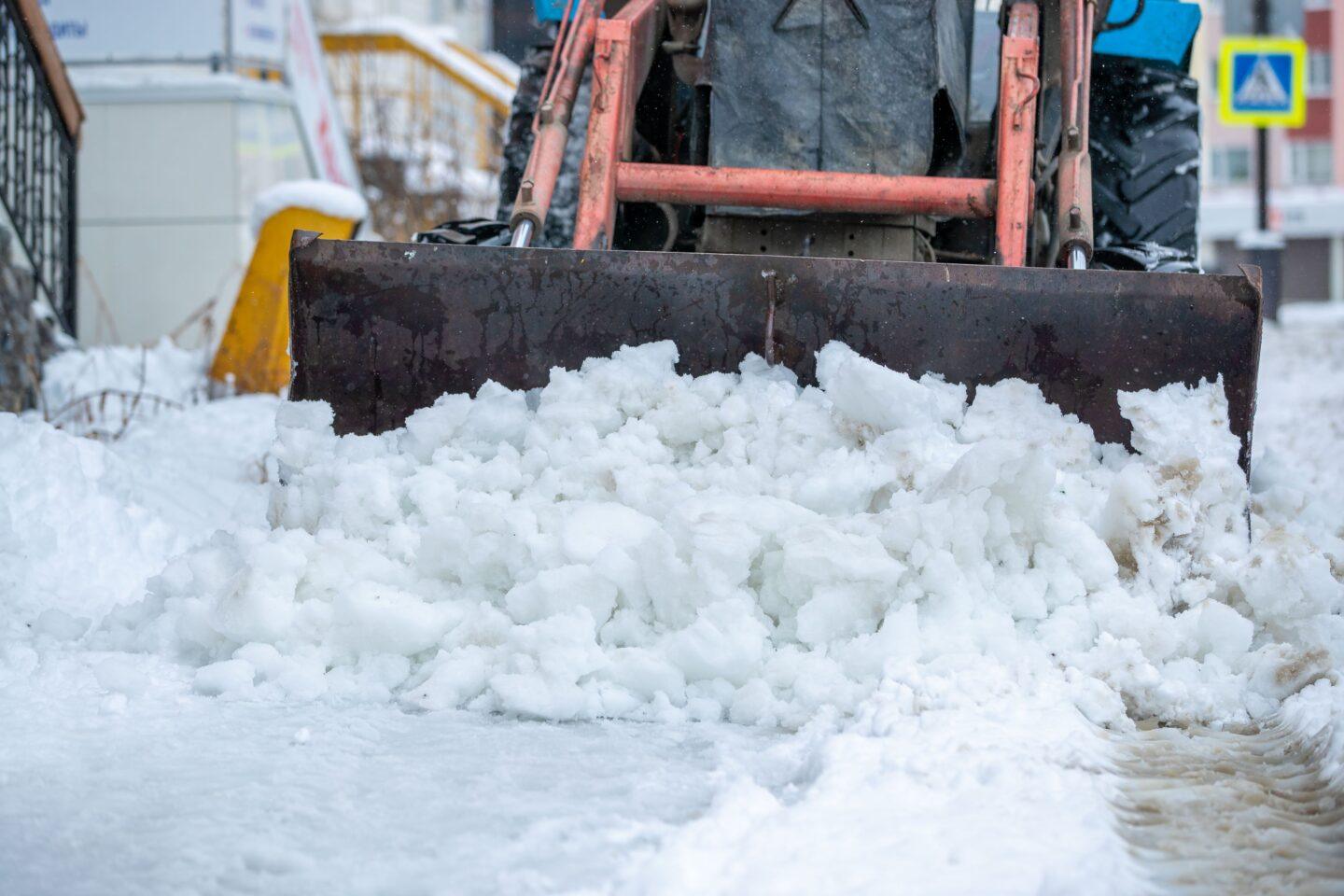
Do not overtake snowplows
Autobahn GmbH appeals to all road users to drive particularly carefully in winter and not to obstruct the work of the winter service.
In particular, drivers should not overtake snowplows. The road ahead of these vehicles is often still snow-covered or slippery. Overtaking there puts you at increased risk of an accident.
If vehicles get stuck on uncleared sections of road or accidents occur, even the snowplows can no longer proceed. This sometimes results in long traffic jams.
Therefore, Autobahn GmbH recommends adjusting speed, maintaining sufficient distance, and winterizing the vehicle in good time when road conditions are wintry.
Further information on winter road maintenance can be found on the website of Autobahn GmbH des Bundes.
(RED/PM)