


Following a successful pilot test, anti-sticker coating becomes standard
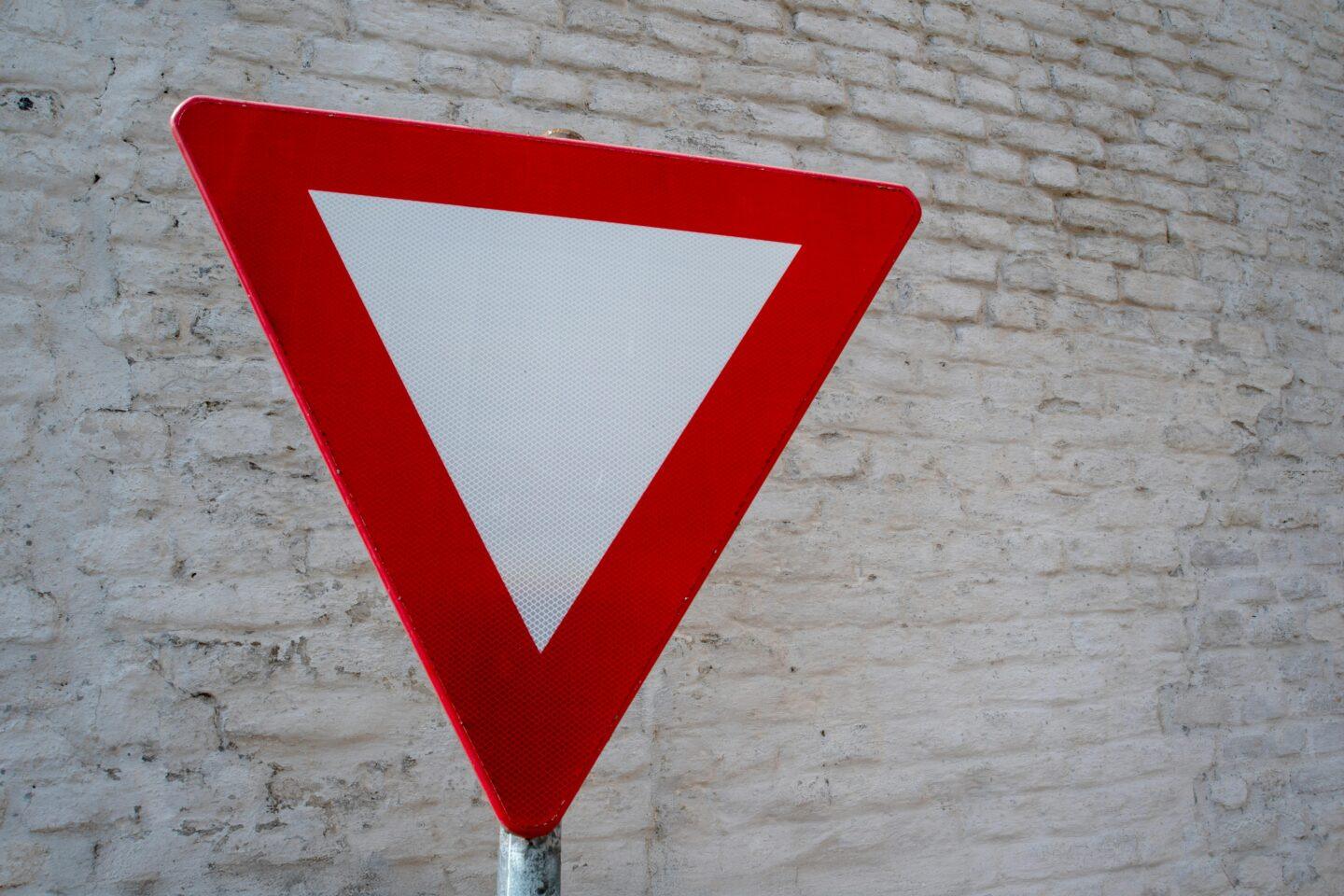
For years, stickers covering traffic signs in Darmstadt have caused considerable cleaning effort. A special anti-sticker coating is intended to significantly reduce this problem in the future. After a one-year pilot project, the city of Darmstadt has drawn a positive conclusion and plans to use the protective coating as a standard practice when procuring new traffic signs.
The city's mobility and civil engineering department tested the coating because traffic signs in the city are frequently covered with stickers. According to the city, the results show that the coating significantly reduces soiling. At the same time, cleaning and maintenance costs are expected to decrease in the long term.
Particularly good results in the area surrounding the stadium
The effectiveness of the new coating was particularly evident at locations where traffic signs had previously been frequently covered with stickers. This includes the area around the stadium at Böllenfalltor.

In the past, stickers had to be regularly removed there, especially after football matches. In contrast, virtually no stickers were found on the signs coated with the new protective layer, even after the one-year test phase.
“This has significantly reduced pollution and in some cases almost completely prevented it,” explains transport officer Paul Georg Wandrey.
The city sees this as a clear success of the pilot project and intends to use the coating permanently in the future.
Higher initial costs should pay off in the long run
Traffic signs with an anti-sticker coating are initially more expensive to purchase than conventional signs. However, the city estimates that these additional costs are offset by the reduced cleaning and maintenance requirements.
Until now, traffic signs with stickers had to be regularly cleaned or replaced if severely damaged. This ties up personnel and incurs ongoing costs.
“What may seem to some like a harmless pastime or a fun leisure activity has caused the city considerable effort and expense for decades,” Wandrey emphasizes.
There is also a safety aspect: If important traffic signs are obscured by stickers or graffiti, their visibility and legibility can be impaired. This can also endanger road safety.
Approximately 30,000 traffic signs in Darmstadt
Within the city limits of Darmstadt, there are approximately 30,000 traffic signs and about 2,000 directional signs. According to the city, it is impossible to accurately determine how many of these are dirty or damaged, as new stickers and damage are constantly being added.
The city's online reporting system receives several reports daily about affected signs. Cleaning and replacing these signs is therefore an ongoing task for the Mobility and Civil Engineering Department.
The new coating is intended to reduce this effort in the future.
Coating is always used on new signs
Following the successful trial, the city intends to adjust its procurement practices. Newly purchased traffic signs will generally be provided with the special protective coating.
Exceptions are possible at less severely affected locations, for example on field and forest paths outside of built-up areas. In such cases, the additional coating may be omitted.
“With the permanent introduction, we are opting for a long-term economical solution that improves the appearance of the traffic signs and reduces maintenance costs,” explains Wandrey.
The city hopes that this will result in fewer dirty signs, lower cleaning costs and better readability of traffic signs in the long term.
(DARMSTADT – RED/PSD/acl)