


Comments on new measures against invasive animal and plant species can be submitted until November 23
Twelve invasive animal and plant species are the focus of a public consultation process that began on September 21.Citizens can comment on proposals for the future management of these species. In Hesse, the documents are available for review at the Darmstadt Regional Council, among other locations. Online comments can be submitted until November 23, 2026 .
The background to this is the so-called Union list of invasive alien species. According to the regional government, there are currently 114 animal and plant species on this list. These species are subject to restrictions on import, transport, trade, keeping, cultivation, and release, among other things. At the same time, measures are being developed to contain species that are already present.
Mammals, fish, crustaceans and plants
The current project involves three mammal species, two fish species, one crustacean species, one mollusk species and five plant species.

Mammals include the sika deer, the mink, and the Canadian beaver. The sika deer, originally from Asia, was introduced to Europe for hunting and, according to experts, can compete with native game species for food. The mink, also known as the American mink, was originally brought to Europe for fur farming. Wild mink feed on small mammals, amphibians, birds, crustaceans, and fish, among other things.
The Canadian beaver, in turn, occupies a similar ecological niche to the native European beaver. A reliable distinction between the two species is generally only possible through genetic testing.
The Asian and North Chinese weatherfish are of particular concern as invasive fish species . Both can thrive even in oxygen-poor waters. Potential consequences of their spread include competition with native species and the transmission of fish parasites.
Calico cancer already widespread in Hesse
The North American crayfish (Calico) is already present in Hesse along the Rhine and its tributaries. This species reproduces rapidly and can create extensive breeding burrows. Furthermore, crayfish can transmit crayfish plague. While American crayfish species are immune, the fungal disease can be fatal to native crayfish species.
The American trough clam is one of the twelve species, a marine species. It prefers brackish water and is particularly relevant to coastal regions. Larger populations have already been found in the North and Baltic Seas.
Japanese knotweed and needlegrass are spreading rapidly
The plants in question are needlewort, round-leaved bittersweet, and three species from the Japanese knotweed family.
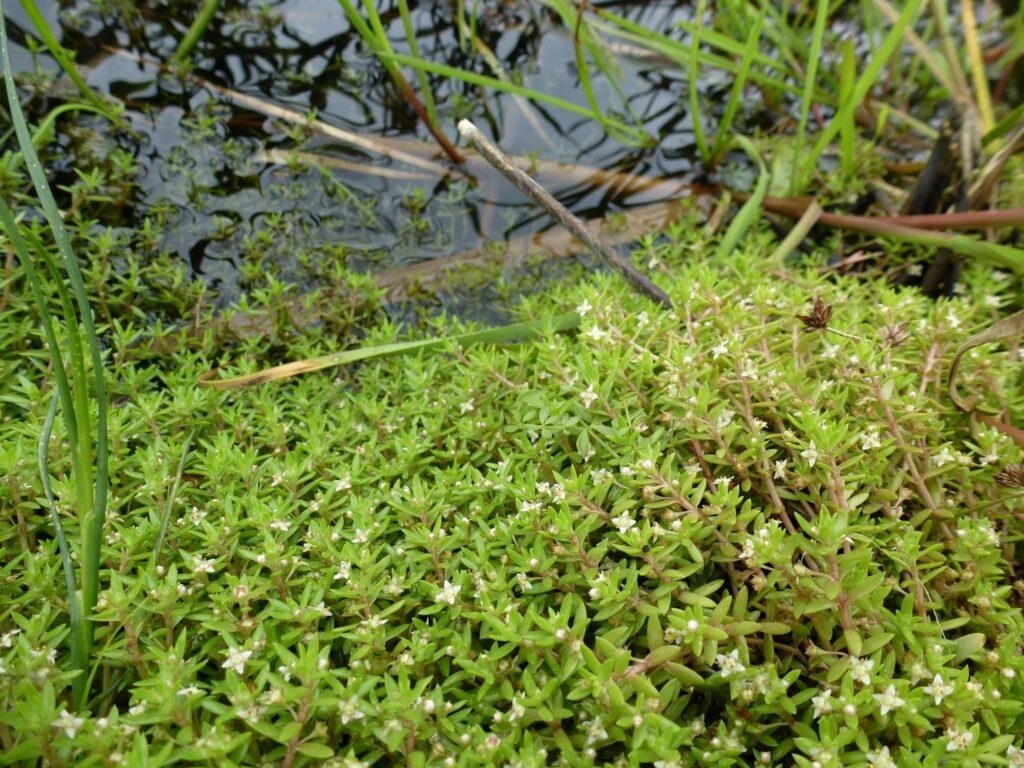
Needlewort originates from New Zealand and was used as an aquatic plant in aquariums and gardens. In bodies of water, it can form dense stands and displace other aquatic plants.
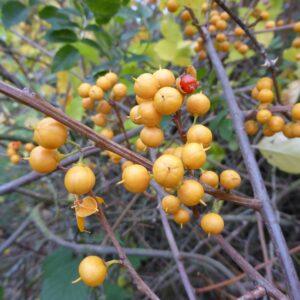
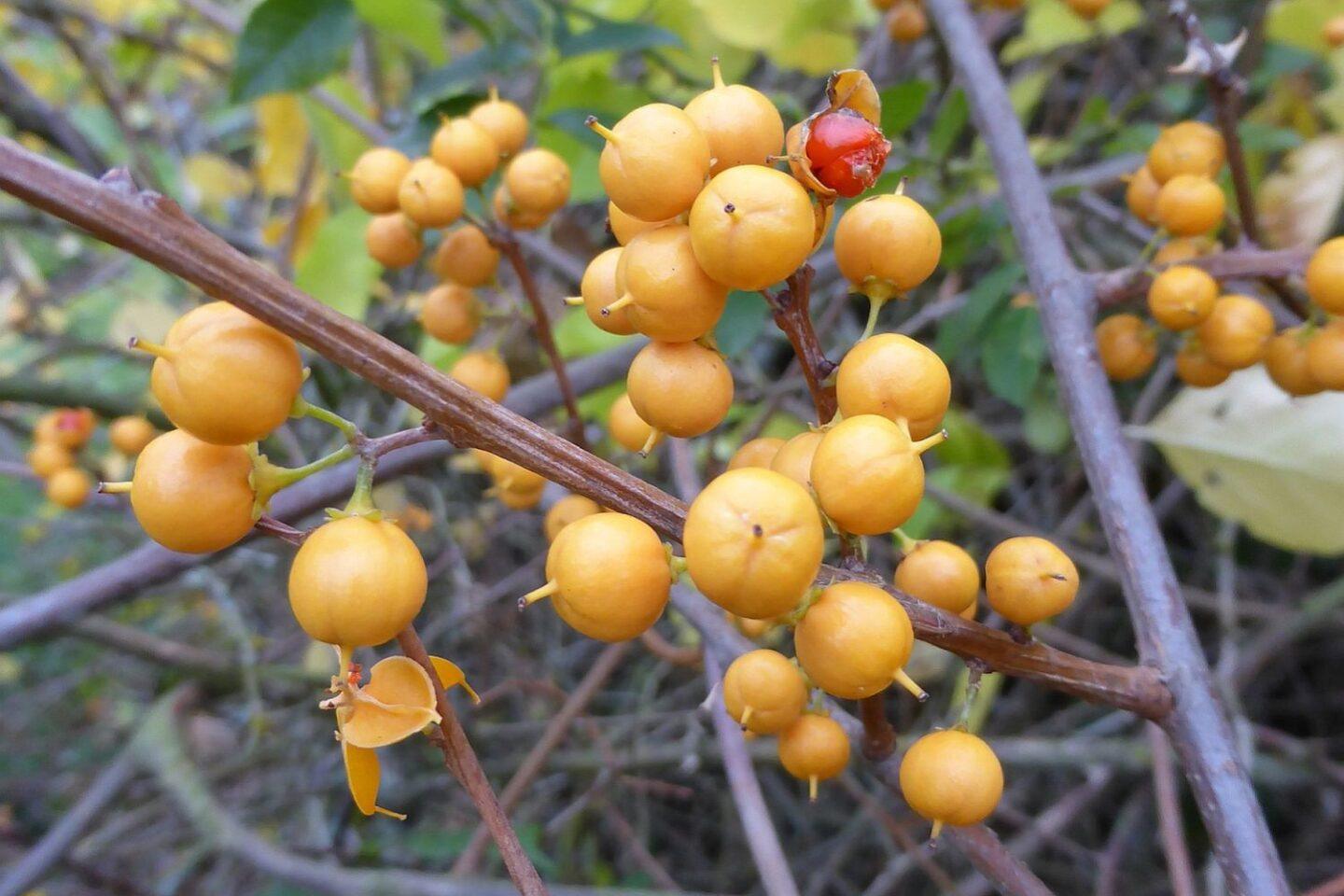
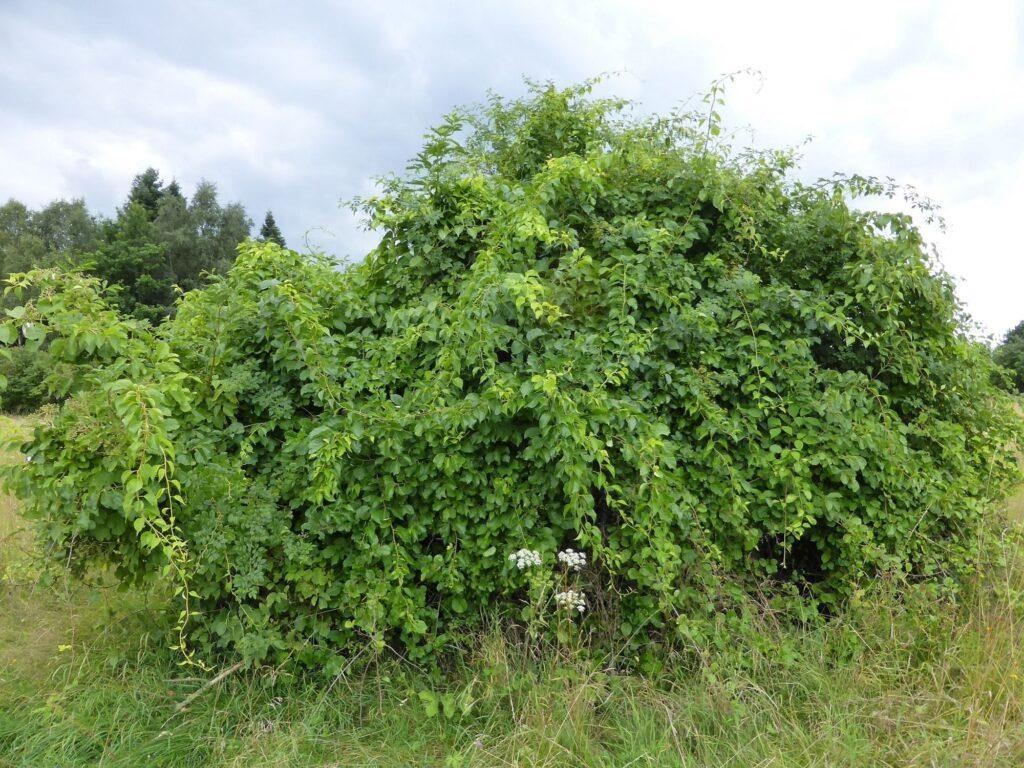
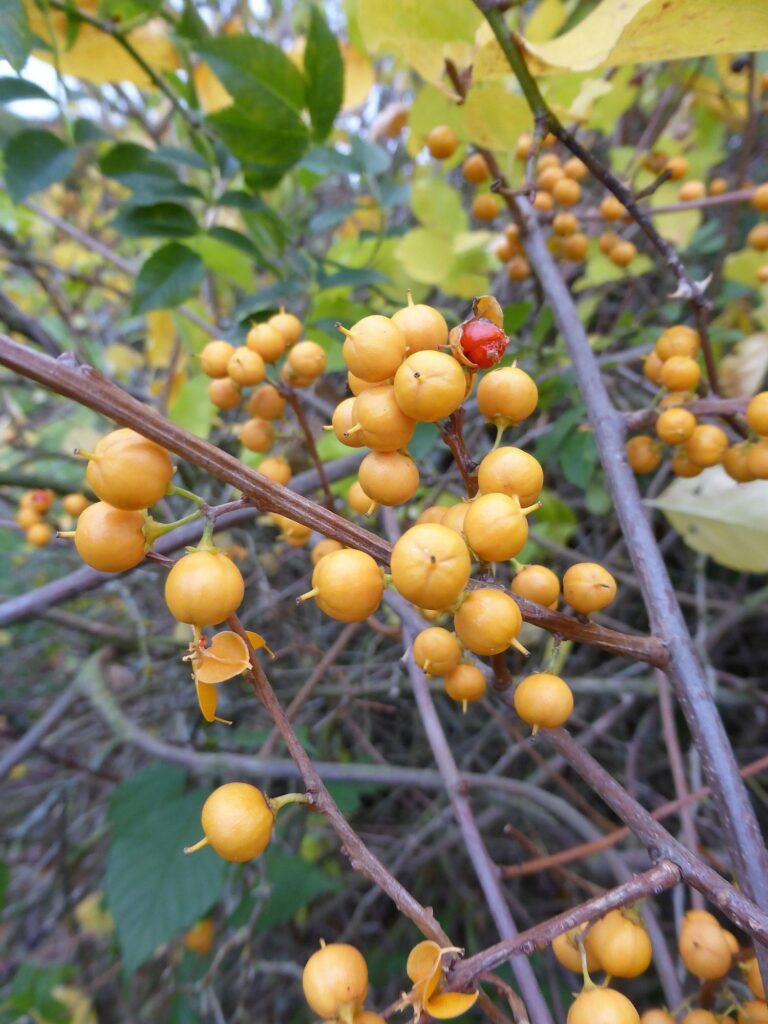
The round-leaved bittersweet, native to East Asia, was brought to Europe as an ornamental and climbing plant. It can overgrow areas, shade other plants, and twine around trees.
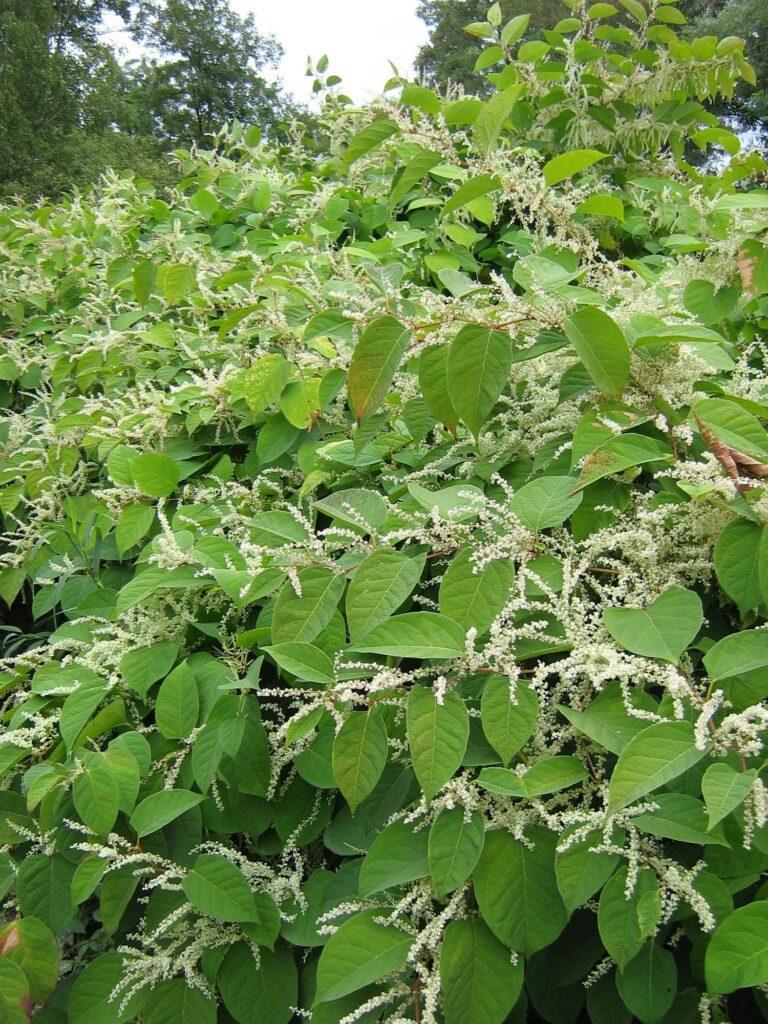
Japanese knotweed, Sakhalin knotweed, and Japanese knotweed are already widespread . They form dense stands up to four meters high. Their underground runners can spread deep and far into the soil, making control difficult. According to experts, the plants can also damage asphalt and other structures.
Comments can be submitted until November 23rd
The documents for public participation will be available for inspection at the three Hessian regional councils until October 19. In Darmstadt, they can be viewed at the Darmstadt Regional Council, Luisenplatz 2.Comments can also be submitted there during the four-week inspection period. Written comments can also be submitted by mail.
The documents will be available online from September 21 to November 23, 2026. The deadline for submitting comments is November 23.
Participation portal of the state of Hesse